THE ADVENTURE COLLECTIVE® · Independent discovery and booking for outdoor travel

Two guided dives at Abu Dabbab put you into shallow reefs and seagrass beds where green turtles graze and, on rare days, dugongs appear. Expect calm waters, 10–15 m depths, and clear visibility — ideal for confident beginners and photo-minded divers.
Two guided dives at Abu Dabbab put you into shallow reefs and seagrass beds where green turtles graze and, on rare days, dugongs appear. Expect calm waters, 10–15 m depths, and clear visibility — ideal for confident beginners and photo-minded divers.
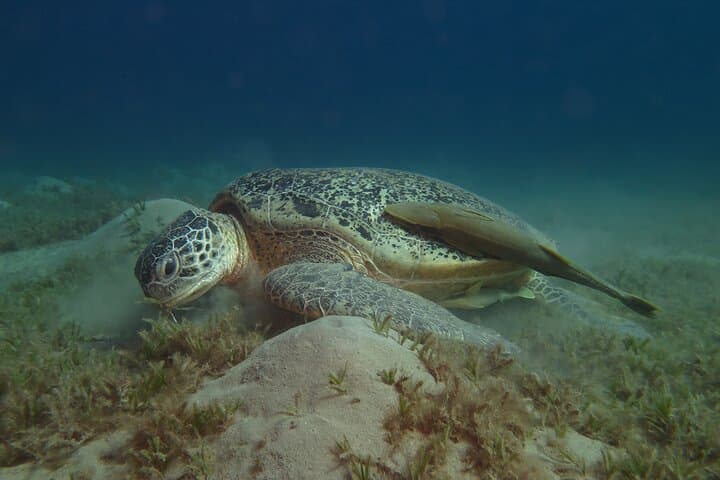
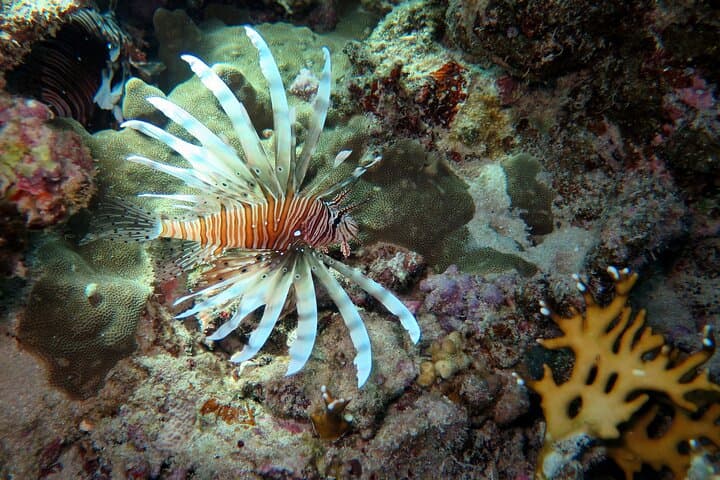
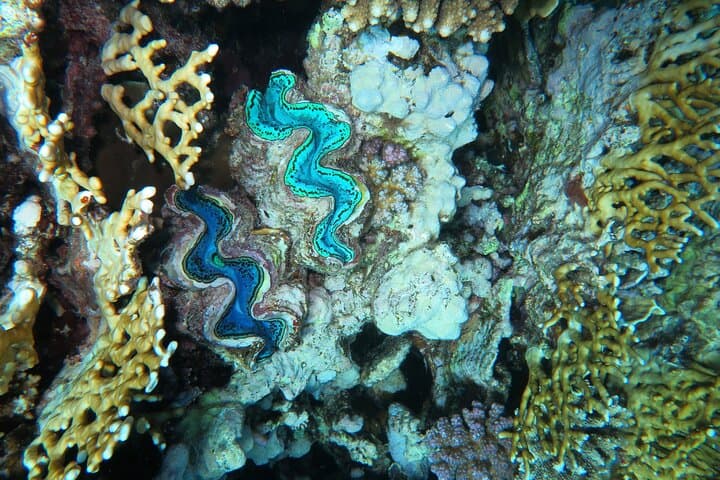
You slip a mask on as the sun cleans the horizon and the Red Sea goes glassy; beneath that surface, gardens of coral and seagrass wait. Abu Dabbab’s shallow bay feels intimate — dive profiles sit around 10–15 meters, reefs rise like broken walls and patches of seagrass host some of the Mediterranean’s most unusual residents: green turtles grazing and, if luck favors you, the shy dugong grazing slowly through the blades.
Verified experiences and guided adventures in the surrounding area.
Operated by Scuba World Divers - Iberotel Costa Mares - Marsa ALam · Marsa Alam, Red Sea Governorate
You slip a mask on as the sun cleans the horizon and the Red Sea goes glassy; beneath that surface, gardens of coral and seagrass wait. Abu Dabbab’s shallow bay feels intimate — dive profiles sit around 10–15 meters, reefs rise like broken walls and patches of seagrass host some of the Mediterranean’s most unusual residents: green turtles grazing and, if luck favors you, the shy dugong grazing slowly through the blades.
The shore here is part of Egypt’s southern Red Sea coastline, carved by tectonics and warmed by tropical currents that sustain high coral diversity. Local fishing villages in the Marsa Alam area have mixed traditional seafaring with a growing dive economy since the 1980s, and conservation efforts now focus on protecting seagrass beds that dugongs depend on.
Practically, expect two guided dives with a safety briefing, gear check, and short vehicle transfer from the Scuba World center. Visibility commonly ranges 10–25 meters; currents are usually mild but can pick up near channels. Respect wildlife distances: dugongs and turtles are protected and feed slowly — chasing them stresses the animals and risks fines.
Plan early-morning dives for calmer water and cooler light. Bring a shorty or full wetsuit depending on season, a well-fitting mask, and a dive computer if you have one. Hydrate, log your experience, and leave no trace: reef-safe sunscreen only, and avoid touching coral. For photographers, a wide-angle lens and steady buoyancy pay dividends — the animals are large but often close to the seabed.
Abu Dabbab offers approachable depths for less experienced divers while still delivering the rare thrill of encountering dugongs and large, placid turtles.
moderate.
5 hours (total trip time).
Suitable for travelers in good general health with basic swimming ability; comfortable with repeated breathing under water and short surface swims.
Typical dives at Abu Dabbab reach 10–15 meters, making the site accessible to Open Water certified divers and supervised beginners.
Dugong sightings are rare but possible; they depend on season, seagrass health, and a bit of luck—turtle sightings are much more common.
Yes — operators run programs for less experienced divers and children, though certification status and instructor ratios vary by operator.
Do not chase, touch, or block their path; maintain neutral buoyancy and 3–5 meters distance to minimize stress and legal issues.
The Marsa Alam coastline has grown from Bedouin fishing outposts to an ecotourism hub; diving operations expanded notably from the late 20th century as Red Sea reefs gained recreational appeal.
Local groups monitor seagrass beds and promote reef‑safe practices; visitors are encouraged to use reef‑safe sunscreen, avoid anchoring on reefs, and follow guide instructions to reduce impact.
Scuba World Divers - Iberotel Costa Mares - Marsa ALam operates guided outdoor trips and adventures with an emphasis on safety, stewardship, and memorable experiences.
You slip a mask on as the sun cleans the horizon and the Red Sea goes glassy; beneath that surface, gardens of coral and seagrass wait. Abu Dabbab’s shallow bay feels intimate — dive profiles sit around 10–15 meters, reefs rise like broken walls and patches of seagrass host some of the Mediterranean’s most unusual residents: green turtles grazing and, if luck favors you, the shy dugong grazing slowly through the blades.
You slip a mask on as the sun cleans the horizon and the Red Sea goes glassy; beneath that surface, gardens of coral and seagrass wait. Abu Dabbab’s shallow bay feels intimate — dive profiles sit around 10–15 meters, reefs rise like broken walls and patches of seagrass host some of the Mediterranean’s most unusual residents: green turtles grazing and, if luck favors you, the shy dugong grazing slowly through the blades.
The shore here is part of Egypt’s southern Red Sea coastline, carved by tectonics and warmed by tropical currents that sustain high coral diversity. Local fishing villages in the Marsa Alam area have mixed traditional seafaring with a growing dive economy since the 1980s, and conservation efforts now focus on protecting seagrass beds that dugongs depend on.
Practically, expect two guided dives with a safety briefing, gear check, and short vehicle transfer from the Scuba World center. Visibility commonly ranges 10–25 meters; currents are usually mild but can pick up near channels. Respect wildlife distances: dugongs and turtles are protected and feed slowly — chasing them stresses the animals and risks fines.
Plan early-morning dives for calmer water and cooler light. Bring a shorty or full wetsuit depending on season, a well-fitting mask, and a dive computer if you have one. Hydrate, log your experience, and leave no trace: reef-safe sunscreen only, and avoid touching coral. For photographers, a wide-angle lens and steady buoyancy pay dividends — the animals are large but often close to the seabed.
Abu Dabbab offers approachable depths for less experienced divers while still delivering the rare thrill of encountering dugongs and large, placid turtles.