THE ADVENTURE COLLECTIVE® · Independent discovery and booking for outdoor travel

Dive two purpose-sunk naval wrecks off Tutukaka—HMNZS Waikato and Tui—on guided day trips that combine internal wreck penetration with abundant marine life. Ideal for advanced recreational divers or those booking instructor-guided technical dives.
Dive two purpose-sunk naval wrecks off Tutukaka—HMNZS Waikato and Tui—on guided day trips that combine internal wreck penetration with abundant marine life. Ideal for advanced recreational divers or those booking instructor-guided technical dives.
Salt on your lips and the low thump of the charter’s engine sets the rhythm as you head out from Tutukaka. The coastline slips away—rocky headlands, scrubbed cliffs and the wide mouth of the harbour—and soon the boat anchors above two hulks that have become underwater neighborhoods: HMNZS Waikato and HMNZS Tui. Descending through a blue column, the wrecks grow into structures you can swim through: gun decks, engine rooms and cabins carved into shadow and light.
Verified experiences and guided adventures in the surrounding area.
Operated by New Zealand Diving Ltd · Tutukaka, Northland
Salt on your lips and the low thump of the charter’s engine sets the rhythm as you head out from Tutukaka. The coastline slips away—rocky headlands, scrubbed cliffs and the wide mouth of the harbour—and soon the boat anchors above two hulks that have become underwater neighborhoods: HMNZS Waikato and HMNZS Tui. Descending through a blue column, the wrecks grow into structures you can swim through: gun decks, engine rooms and cabins carved into shadow and light.
Both ships were deliberately sunk as dive attractions and lie at diver-friendly depths but demand respect. The Waikato and Tui are modern naval wrecks—steel hulls that corrode into complex topography while kelp and filter feeders colonize their surfaces. The region’s volcanic and tectonic history created the sharp headlands and clear, nutrient-influenced seas that make visibility variable but marine life abundant.
Locals in Tutukaka and nearby Whangārei view these wrecks as both recreational sites and living reefs; operators run guided dives and technical courses to safely open internal access points. Expect two single-tank dives from a small boat, full gear hire available, and a maximum of eight divers per trip.
Practical guidance: arrive with certification and at least 15 logged dives or book an instructor-guided option; check your dive medical declaration; don’t plan flights within 48 hours of diving. Pay attention to surface intervals and bring layered clothing for wind on the return. With proper preparation, these wrecks offer one of New Zealand’s most accessible and rewarding military-ship explorations.
challenging.
6–8 hours.
Moderate physical fitness; able to handle boat transfers, carry gear and perform two open-water dives in a day
You need strong buoyancy and wreck-diving skills; an Advanced Open Water cert and 15 logged dives are required unless an instructor guides you.
Trips usually include boat transport, gear hire, and two single-tank dives from a small charter with limited spots per day.
Both lie at recreational depths suitable for advanced divers; penetration points are prepared but dives remain deep enough to require experience.
Operators will offer rescheduling or store credit if trips are canceled due to poor weather; always confirm cancellation policies when booking.
Both ships were naval vessels deliberately sunk to create accessible wreck dives and artificial reefs, now popular training and recreational sites.
Respect no-touch policies on wrecks; these sites act as artificial reefs—avoid disturbing marine life and follow operator guidance to minimize impact.
New Zealand Diving Ltd operates guided outdoor trips and adventures with an emphasis on safety, stewardship, and memorable experiences.
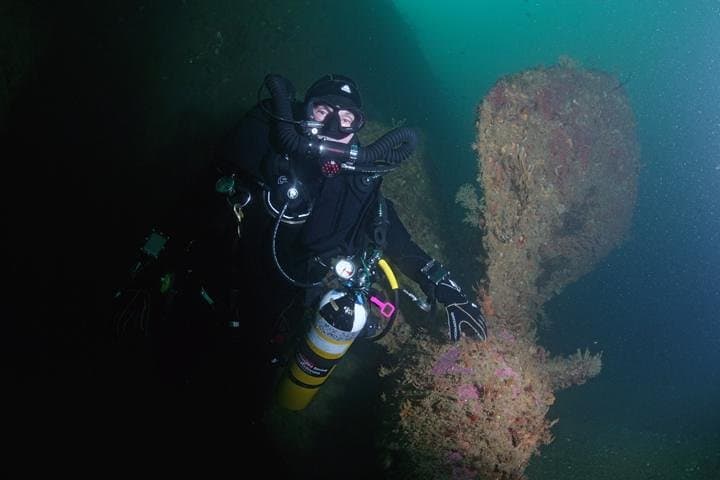
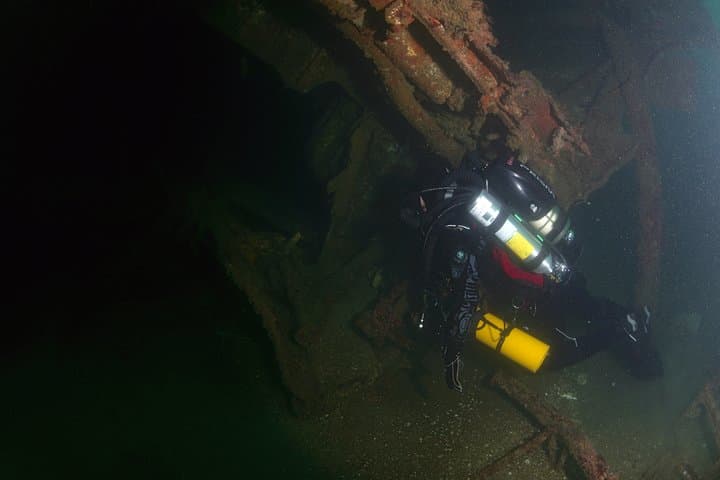
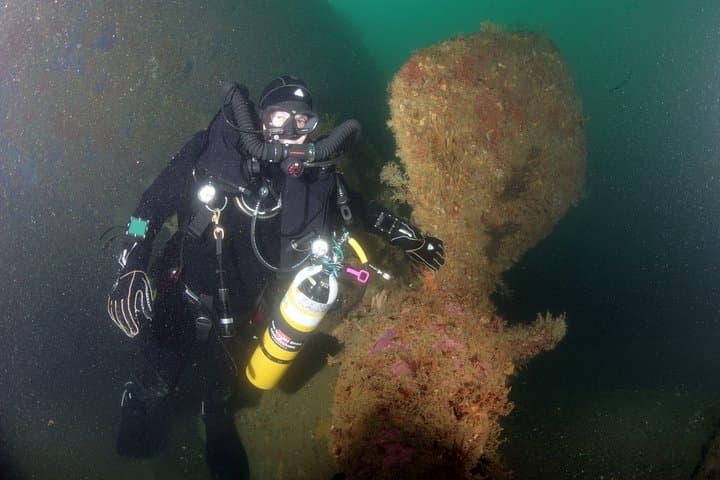
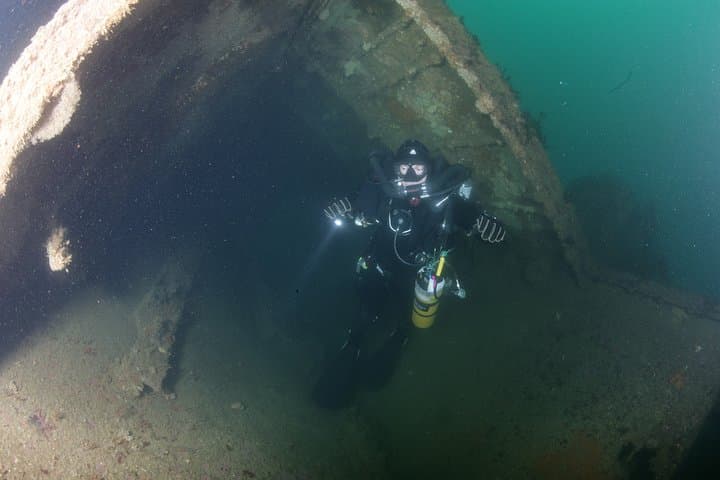
Salt on your lips and the low thump of the charter’s engine sets the rhythm as you head out from Tutukaka. The coastline slips away—rocky headlands, scrubbed cliffs and the wide mouth of the harbour—and soon the boat anchors above two hulks that have become underwater neighborhoods: HMNZS Waikato and HMNZS Tui. Descending through a blue column, the wrecks grow into structures you can swim through: gun decks, engine rooms and cabins carved into shadow and light.
Salt on your lips and the low thump of the charter’s engine sets the rhythm as you head out from Tutukaka. The coastline slips away—rocky headlands, scrubbed cliffs and the wide mouth of the harbour—and soon the boat anchors above two hulks that have become underwater neighborhoods: HMNZS Waikato and HMNZS Tui. Descending through a blue column, the wrecks grow into structures you can swim through: gun decks, engine rooms and cabins carved into shadow and light.
Both ships were deliberately sunk as dive attractions and lie at diver-friendly depths but demand respect. The Waikato and Tui are modern naval wrecks—steel hulls that corrode into complex topography while kelp and filter feeders colonize their surfaces. The region’s volcanic and tectonic history created the sharp headlands and clear, nutrient-influenced seas that make visibility variable but marine life abundant.
Locals in Tutukaka and nearby Whangārei view these wrecks as both recreational sites and living reefs; operators run guided dives and technical courses to safely open internal access points. Expect two single-tank dives from a small boat, full gear hire available, and a maximum of eight divers per trip.
Practical guidance: arrive with certification and at least 15 logged dives or book an instructor-guided option; check your dive medical declaration; don’t plan flights within 48 hours of diving. Pay attention to surface intervals and bring layered clothing for wind on the return. With proper preparation, these wrecks offer one of New Zealand’s most accessible and rewarding military-ship explorations.