THE ADVENTURE COLLECTIVE® · Independent discovery and booking for outdoor travel

Visit the District Six Museum to hear the voices of a displaced community and learn the local history behind apartheid-era removals. This practical guide explains what to expect, how to plan your visit, and the best ways to engage with the museum’s living testimony.
Visit the District Six Museum to hear the voices of a displaced community and learn the local history behind apartheid-era removals. This practical guide explains what to expect, how to plan your visit, and the best ways to engage with the museum’s living testimony.
You step off the cobbled street into a low-slung building where voices from the past meet the present: photographs, handwritten notes and recorded testimonies fill the air like a chorus insisting you listen.
Verified experiences and guided adventures in the surrounding area.
Operated by SA City Pass · Cape Town, Western Cape
You step off the cobbled street into a low-slung building where voices from the past meet the present: photographs, handwritten notes and recorded testimonies fill the air like a chorus insisting you listen.
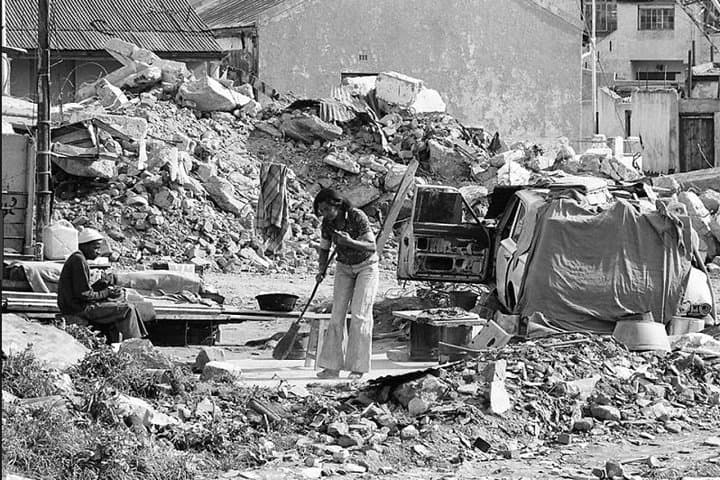
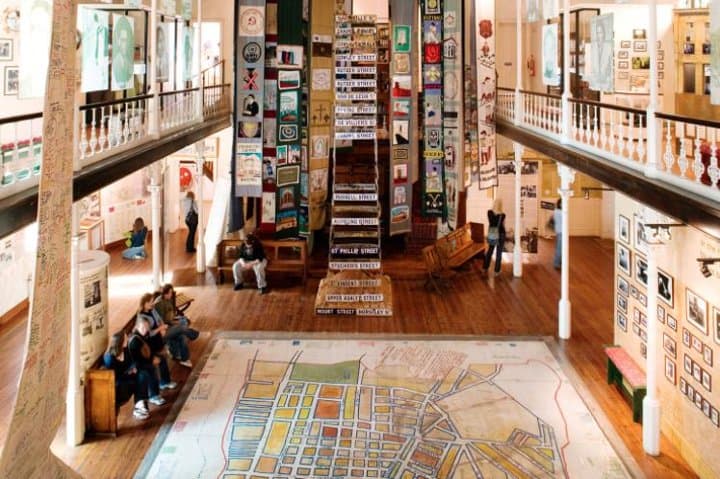
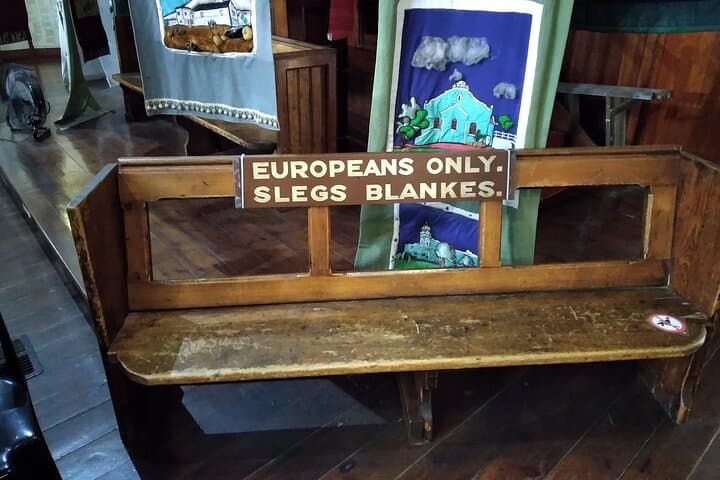
The District Six Museum interprets one of Cape Town’s most charged urban histories. Once a multi‑racial neighborhood on the slopes below Table Mountain, District Six was declared a “white area” in 1966; over ensuing years tens of thousands of residents were forcibly removed and much of the urban fabric demolished. The museum centers those personal stories—ex-resident guides, neighborhood maps etched into the floor, and audio testimonies that put names and textures back into a cleared landscape.
Geology here is secondary to human geography, but the museum sits in a city shaped by granite ridges and coastal plains: Table Mountain looms nearby, and the Cape’s wind and salt air are part of the sensory backdrop as you move through archival rooms and gallery spaces.
Expect an emotionally direct visit: exhibits are candid, sometimes raw. Staff—many formerly of District Six—offer context that a plaque cannot. Allow 30–90 minutes depending on how deeply you engage with recordings and displays.
Practical tips: buy the skip-the-line ticket to avoid queues, arrive mid-morning for staff-led narratives, and plan public-transport access or a short taxi from central Cape Town. Photography of exhibits is usually permitted but avoid flash and treat oral-history material with respect. Bring water and wear comfortable shoes—the museum is compact but information-dense.
easy.
30–90 minutes.
Suitable for all fitness levels; mostly indoor walking on flat surfaces.
Most visitors spend 30–90 minutes depending on whether they join a talk, listen to multiple oral histories, or browse the archive displays.
Yes—guided talks and personal accounts by former residents are offered; check availability on arrival or book a timed ticket if listed.
The museum notes wheelchair accessibility and stroller access; staff can assist with access needs—contact ahead for specific arrangements.
Photography is generally allowed but avoid flash and always respect signs and requests regarding sensitive materials and personal testimonies.
In 1966 District Six was declared a ‘white’ area under apartheid; over subsequent decades tens of thousands of residents were forcibly removed and many homes demolished.
The museum preserves personal archives and oral histories and supports community memory projects; visitors help sustain this work by respecting exhibits and supporting museum programs.
SA City Pass operates guided outdoor trips and adventures with an emphasis on safety, stewardship, and memorable experiences.
You step off the cobbled street into a low-slung building where voices from the past meet the present: photographs, handwritten notes and recorded testimonies fill the air like a chorus insisting you listen.
You step off the cobbled street into a low-slung building where voices from the past meet the present: photographs, handwritten notes and recorded testimonies fill the air like a chorus insisting you listen.
The District Six Museum interprets one of Cape Town’s most charged urban histories. Once a multi‑racial neighborhood on the slopes below Table Mountain, District Six was declared a “white area” in 1966; over ensuing years tens of thousands of residents were forcibly removed and much of the urban fabric demolished. The museum centers those personal stories—ex-resident guides, neighborhood maps etched into the floor, and audio testimonies that put names and textures back into a cleared landscape.
Geology here is secondary to human geography, but the museum sits in a city shaped by granite ridges and coastal plains: Table Mountain looms nearby, and the Cape’s wind and salt air are part of the sensory backdrop as you move through archival rooms and gallery spaces.
Expect an emotionally direct visit: exhibits are candid, sometimes raw. Staff—many formerly of District Six—offer context that a plaque cannot. Allow 30–90 minutes depending on how deeply you engage with recordings and displays.
Practical tips: buy the skip-the-line ticket to avoid queues, arrive mid-morning for staff-led narratives, and plan public-transport access or a short taxi from central Cape Town. Photography of exhibits is usually permitted but avoid flash and treat oral-history material with respect. Bring water and wear comfortable shoes—the museum is compact but information-dense.