THE ADVENTURE COLLECTIVE® · Independent discovery and booking for outdoor travel

Step past the turnstiles into Disneyland Resort—where classic attractions meet recent lands like Star Wars: Galaxy’s Edge. This practical guide covers history, what to expect, and how to plan a smoother park day using reservations, mobile tools, and timing.
Step past the turnstiles into Disneyland Resort—where classic attractions meet recent lands like Star Wars: Galaxy’s Edge. This practical guide covers history, what to expect, and how to plan a smoother park day using reservations, mobile tools, and timing.
You push through the turnstiles and the air changes: a carousel of color, the distant crack of a coaster, and the precise hum of a park that has grown with Southern California for seven decades. Walkways sweep past Sleeping Beauty Castle, smells of roasted nuts and citrus mix with engine oils from the Matterhorn, and the crowds pulse like tidewater, ebbing and surging with parade schedules.
Verified experiences and guided adventures in the surrounding area.
Operated by Disneyland Resort · Anaheim, California
You push through the turnstiles and the air changes: a carousel of color, the distant crack of a coaster, and the precise hum of a park that has grown with Southern California for seven decades. Walkways sweep past Sleeping Beauty Castle, smells of roasted nuts and citrus mix with engine oils from the Matterhorn, and the crowds pulse like tidewater, ebbing and surging with parade schedules.
Opened by Walt Disney in 1955, Disneyland sits on the flat coastal plain of the Los Angeles Basin—its engineered landscapes and themed lands are built over reclaimed orange groves and parking lots rather than dramatic geology, but the park’s design borrows heavily from California’s cultural history, early Hollywood, and maritime motifs. Today the resort blends classic lands with modern additions like Star Wars: Galaxy’s Edge and Avengers Campus that reflect changing pop-culture currents.
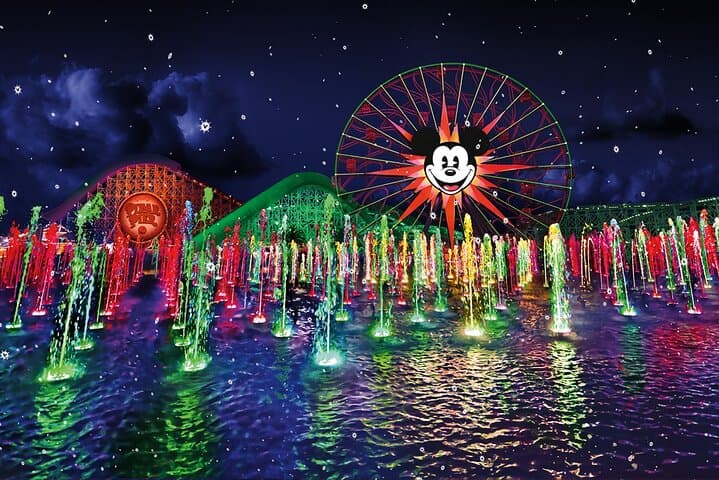
Practically: reservations and valid tickets are required for entry, and the Disneyland app is the control center for Lightning Lane purchases, virtual queues, showtimes, and mobile food orders. Plan arrival times around rope drop or nighttime spectaculars to avoid peak queueing. Expect heavy walking on paved surfaces—comfortable shoes, a charged phone, and a refillable water bottle make long days manageable. For families, the parks are largely stroller- and wheelchair-accessible; for adults, single-rider lines and strategic Lightning Lane bookings will save hours.
This is a place built for repeat visits: mix a show or two with marquee attractions, use downtime for quieter corners like the railroad or shaded benches, and keep hydration and timing at the core of your day for the best experience.
easy.
6–10 hours per park day.
Light-moderate: expect long periods of standing and walking across paved terrain; basic mobility recommended
Yes—Disneyland requires both a valid ticket and a theme park reservation for the same date; confirm availability before travel.
Lightning Lane (paid access) lets you skip standby lines at select attractions; it can save hours on busy days, especially for headline rides.
Park Hopper tickets allow hopping after 1pm (subject to capacity); verify current rules and any time-based restrictions.
Yes—most areas and attractions are wheelchair- and stroller-accessible; specific attraction access details are available from Guest Services and the app.
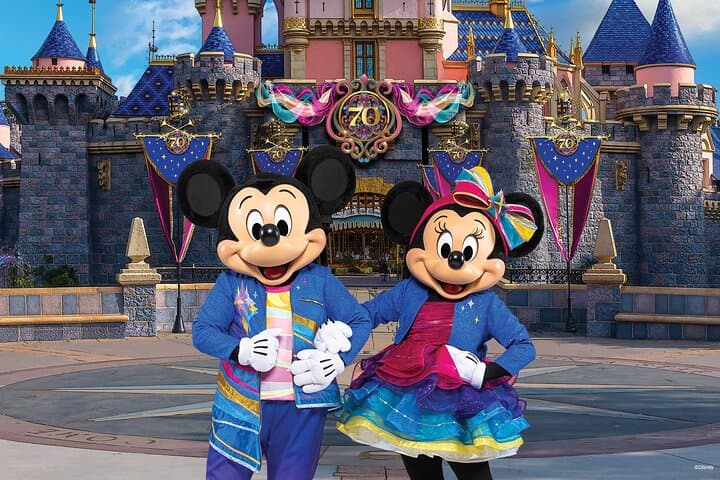
Walt Disney opened Disneyland on July 17, 1955; it was the first theme park Walt built and has since grown into a multi-park resort that shaped modern themed entertainment.
The resort runs water- and energy-efficiency programs and has phased out certain single-use plastics; guests can help by using refill stations and following recycling signage.
Disneyland Resort operates guided outdoor trips and adventures with an emphasis on safety, stewardship, and memorable experiences.
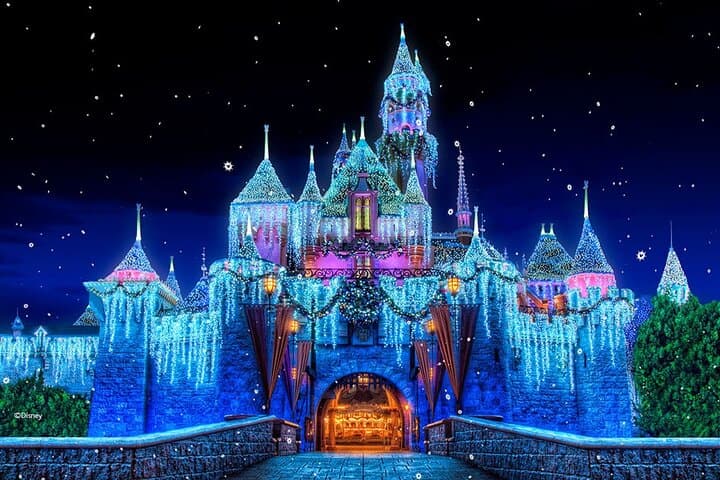
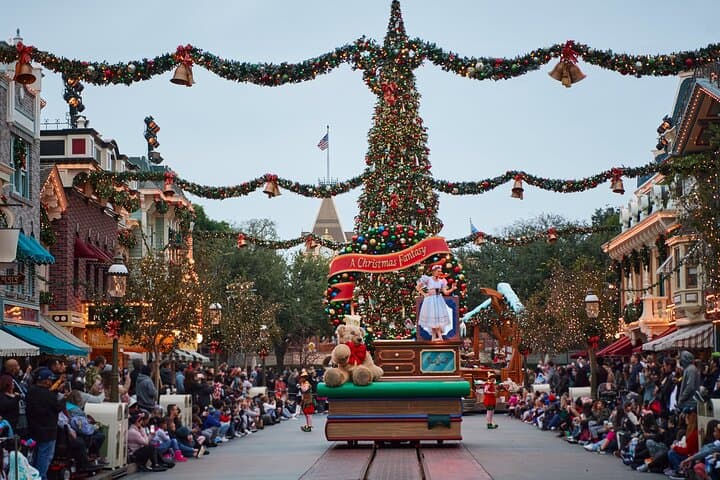
You push through the turnstiles and the air changes: a carousel of color, the distant crack of a coaster, and the precise hum of a park that has grown with Southern California for seven decades. Walkways sweep past Sleeping Beauty Castle, smells of roasted nuts and citrus mix with engine oils from the Matterhorn, and the crowds pulse like tidewater, ebbing and surging with parade schedules.
You push through the turnstiles and the air changes: a carousel of color, the distant crack of a coaster, and the precise hum of a park that has grown with Southern California for seven decades. Walkways sweep past Sleeping Beauty Castle, smells of roasted nuts and citrus mix with engine oils from the Matterhorn, and the crowds pulse like tidewater, ebbing and surging with parade schedules.
Opened by Walt Disney in 1955, Disneyland sits on the flat coastal plain of the Los Angeles Basin—its engineered landscapes and themed lands are built over reclaimed orange groves and parking lots rather than dramatic geology, but the park’s design borrows heavily from California’s cultural history, early Hollywood, and maritime motifs. Today the resort blends classic lands with modern additions like Star Wars: Galaxy’s Edge and Avengers Campus that reflect changing pop-culture currents.
Practically: reservations and valid tickets are required for entry, and the Disneyland app is the control center for Lightning Lane purchases, virtual queues, showtimes, and mobile food orders. Plan arrival times around rope drop or nighttime spectaculars to avoid peak queueing. Expect heavy walking on paved surfaces—comfortable shoes, a charged phone, and a refillable water bottle make long days manageable. For families, the parks are largely stroller- and wheelchair-accessible; for adults, single-rider lines and strategic Lightning Lane bookings will save hours.
This is a place built for repeat visits: mix a show or two with marquee attractions, use downtime for quieter corners like the railroad or shaded benches, and keep hydration and timing at the core of your day for the best experience.