THE ADVENTURE COLLECTIVE® · Independent discovery and booking for outdoor travel

Walk among ancient oaks and reintroduced herbivores in an Atapuerca reserve that reconstructs Upper Paleolithic life. Two hours of guided experiments, living-history demonstrations, and conservation-focused wildlife viewing.
Walk among ancient oaks and reintroduced herbivores in an Atapuerca reserve that reconstructs Upper Paleolithic life. Two hours of guided experiments, living-history demonstrations, and conservation-focused wildlife viewing.
You step from the gravel track into a hollow where oaks crowd together like elders trading secrets; the air smells faintly of leaf mold and smoke from experimental hearths. Birds dart through branches while a herd — slow, massive, intent — grazes at the margin, an echo of the megafauna that shaped the landscape 10,000 years ago. Guides in period-informed clothing move with practical calm, inviting you to handle tools, try fire-starting techniques, and listen to the land’s deep rhythms.
Verified experiences and guided adventures in the surrounding area.
Operated by Asociación Wildlife Spain · Atapuerca, Castile and León
You step from the gravel track into a hollow where oaks crowd together like elders trading secrets; the air smells faintly of leaf mold and smoke from experimental hearths. Birds dart through branches while a herd — slow, massive, intent — grazes at the margin, an echo of the megafauna that shaped the landscape 10,000 years ago. Guides in period-informed clothing move with practical calm, inviting you to handle tools, try fire-starting techniques, and listen to the land’s deep rhythms.
This reserve near Atapuerca sits on limestone foothills carved by ice-age processes and human occupation. Archaeological layers in the region record human presence across millennia; the current project uses experimental archaeology—recreating techniques and reintroducing hardy grazing species—to rebuild ecological processes and recover abandoned fields.
Culturally, the experience bridges science and rural life: local shepherding traditions coexist with conservation goals, and the program channels living-history methods to teach hunting strategies, hide-working, and seasonal foraging within a controlled, respectful context.
Practically, the activity is a two-hour guided walk and hands-on session suited to most fitness levels. Trails are uneven and shaded; expect short standing demonstrations and some low-impact participation with primitive tools. Wear sturdy shoes, bring water and sun protection, and follow guide instructions around animals—do not approach or feed reintroduced bison or horses. Photography is welcome but keep distance during animal interactions. The reserve operates year-round with different lighting and insect seasons; spring and autumn emphasize bird activity, summer brings heat, winter reveals bone and stone in stark relief. This is an immersive, educational outing that pairs outdoor rhythm with tangible conservation work—an accessible way to touch prehistory while contributing to habitat recovery.
easy.
2 hours.
Suitable for most fitness levels; requires walking on uneven ground and brief standing periods.
Yes—families are welcome; activities are hands-on but supervised. Children should be able to walk short distances and follow safety instructions around animals and tools.
Direct contact is restricted; guides arrange safe viewing and controlled encounters if appropriate—do not approach or feed animals on your own.
Tours are typically delivered in Spanish; specialist guides may offer explanations in English—check the booking page or request language needs when reserving.
The reserve is a short drive east of Burgos (approx. 20–30 minutes). Most visitors arrive by car or organized transfer; confirm pick-up options when booking.
The Atapuerca area preserves human occupation from the Pleistocene to recent prehistory; experimental archaeology here recreates techniques documented by local finds.
Species reintroduction and habitat restoration aim to revive grazing dynamics and biodiversity; visitors help by staying on trails and following guidelines to minimize disturbance.
Asociación Wildlife Spain operates guided outdoor trips and adventures with an emphasis on safety, stewardship, and memorable experiences.
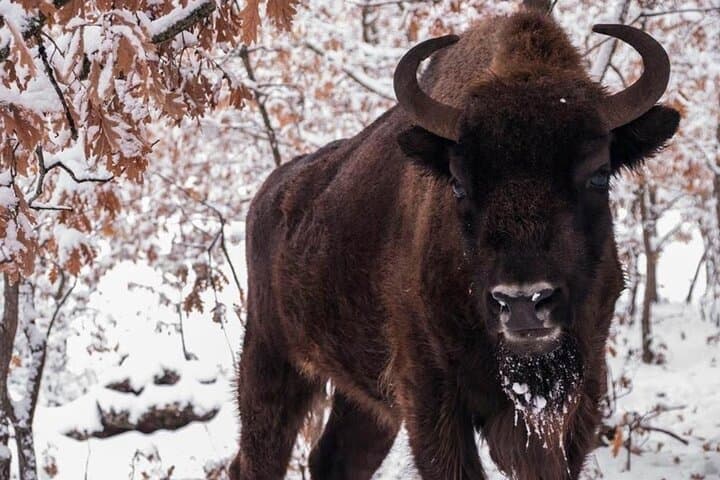
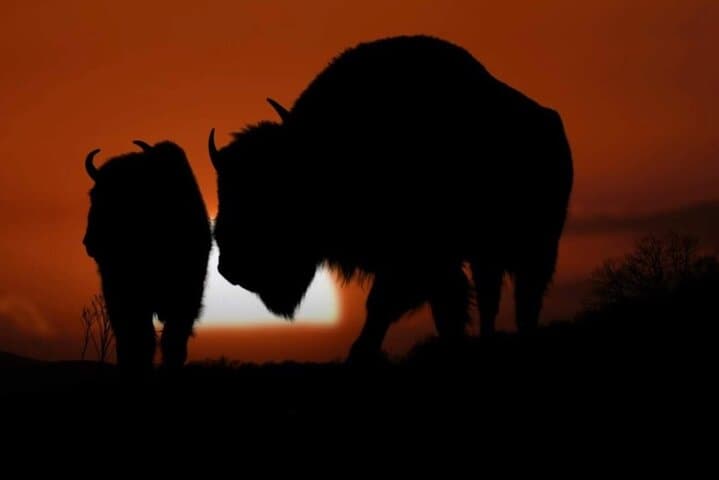
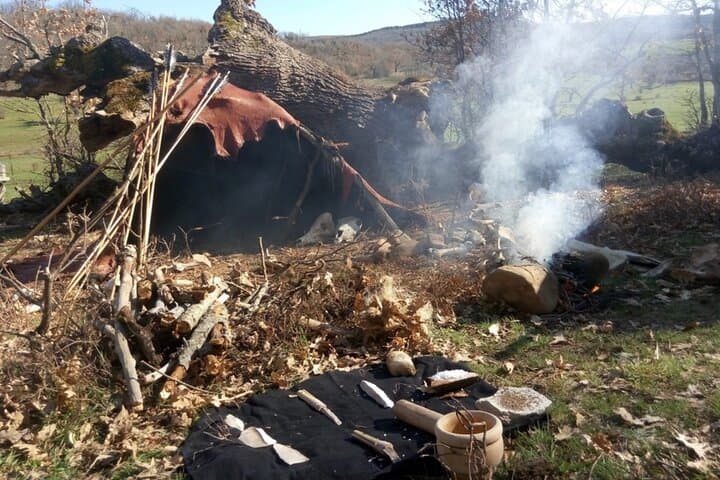
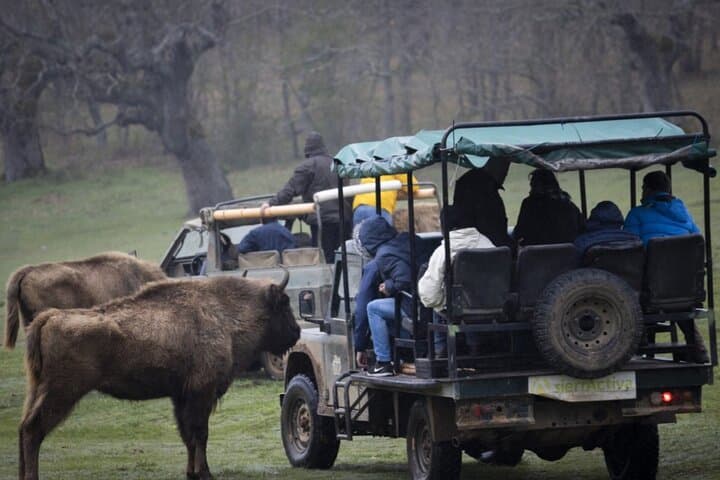
You step from the gravel track into a hollow where oaks crowd together like elders trading secrets; the air smells faintly of leaf mold and smoke from experimental hearths. Birds dart through branches while a herd — slow, massive, intent — grazes at the margin, an echo of the megafauna that shaped the landscape 10,000 years ago. Guides in period-informed clothing move with practical calm, inviting you to handle tools, try fire-starting techniques, and listen to the land’s deep rhythms.
You step from the gravel track into a hollow where oaks crowd together like elders trading secrets; the air smells faintly of leaf mold and smoke from experimental hearths. Birds dart through branches while a herd — slow, massive, intent — grazes at the margin, an echo of the megafauna that shaped the landscape 10,000 years ago. Guides in period-informed clothing move with practical calm, inviting you to handle tools, try fire-starting techniques, and listen to the land’s deep rhythms.
This reserve near Atapuerca sits on limestone foothills carved by ice-age processes and human occupation. Archaeological layers in the region record human presence across millennia; the current project uses experimental archaeology—recreating techniques and reintroducing hardy grazing species—to rebuild ecological processes and recover abandoned fields.
Culturally, the experience bridges science and rural life: local shepherding traditions coexist with conservation goals, and the program channels living-history methods to teach hunting strategies, hide-working, and seasonal foraging within a controlled, respectful context.
Practically, the activity is a two-hour guided walk and hands-on session suited to most fitness levels. Trails are uneven and shaded; expect short standing demonstrations and some low-impact participation with primitive tools. Wear sturdy shoes, bring water and sun protection, and follow guide instructions around animals—do not approach or feed reintroduced bison or horses. Photography is welcome but keep distance during animal interactions. The reserve operates year-round with different lighting and insect seasons; spring and autumn emphasize bird activity, summer brings heat, winter reveals bone and stone in stark relief. This is an immersive, educational outing that pairs outdoor rhythm with tangible conservation work—an accessible way to touch prehistory while contributing to habitat recovery.