THE ADVENTURE COLLECTIVE® · Independent discovery and booking for outdoor travel

Spend 90 minutes in a private educational apiary just outside Volterra. Observe live hives safely, learn bee biology and hive products, then taste freshly extracted honey and shop small‑batch km‑0 goods.
Spend 90 minutes in a private educational apiary just outside Volterra. Observe live hives safely, learn bee biology and hive products, then taste freshly extracted honey and shop small‑batch km‑0 goods.
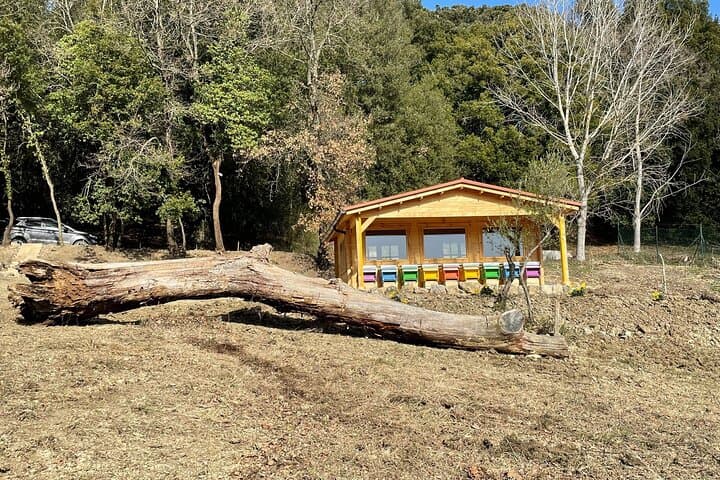
A late-morning light slants across the gravel as visitors set off from a small meeting point in Volterra, following a short 500‑m walk to a working educational apiary. Olive and scrub brush scent the air; old wooden farm implements line the path and the landscape shifts from cultivated terraces to the pale, tuff‑stone slopes that define this part of Tuscany. The hum of the hives becomes the trip’s steady background—bees moving with single‑minded purpose, nudging the visitor into close, quiet observation.
Verified experiences and guided adventures in the surrounding area.
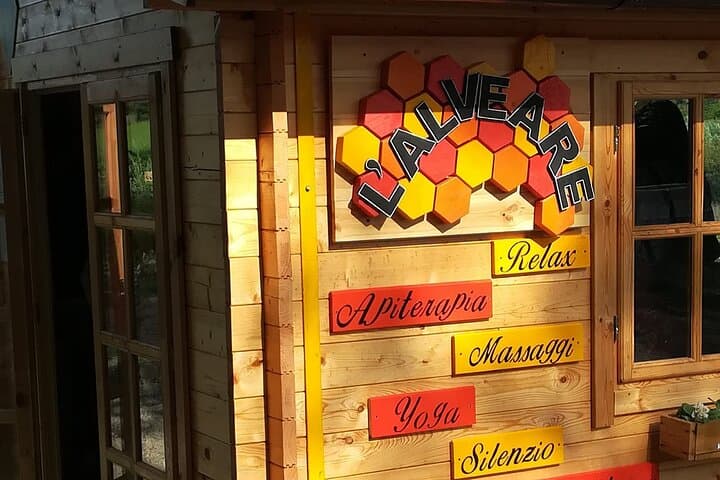
Operated by L'alveare · Volterra, Tuscany
A late-morning light slants across the gravel as visitors set off from a small meeting point in Volterra, following a short 500‑m walk to a working educational apiary. Olive and scrub brush scent the air; old wooden farm implements line the path and the landscape shifts from cultivated terraces to the pale, tuff‑stone slopes that define this part of Tuscany. The hum of the hives becomes the trip’s steady background—bees moving with single‑minded purpose, nudging the visitor into close, quiet observation.
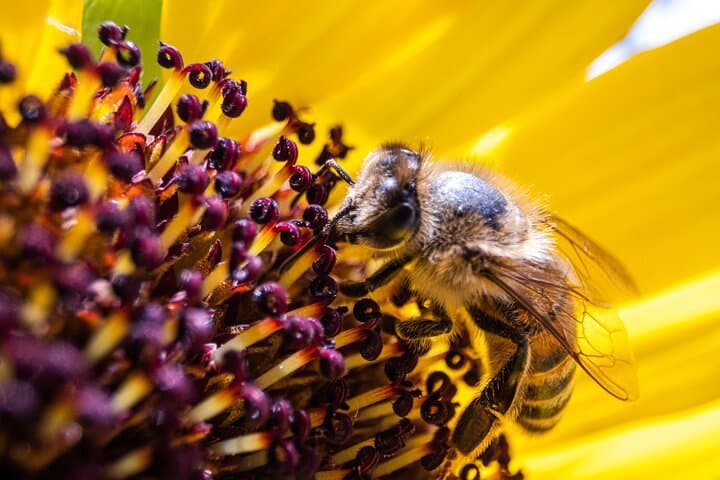
The experience frames bee biology against Volterra’s broader rural history: Etruscan and medieval settlements exploited the town’s volcanic tuff and mixed farmland, and small‑scale beekeeping has long linked local foodways to the land. Guides explain hive structure and the three castes—queen, workers, drones—while pointing out what else a hive produces beyond honey: propolis, pollen, royal jelly. Geologically, the area’s tuff and thin soils influence local flora, from rosemary to chestnut, producing distinctive monofloral honeys.
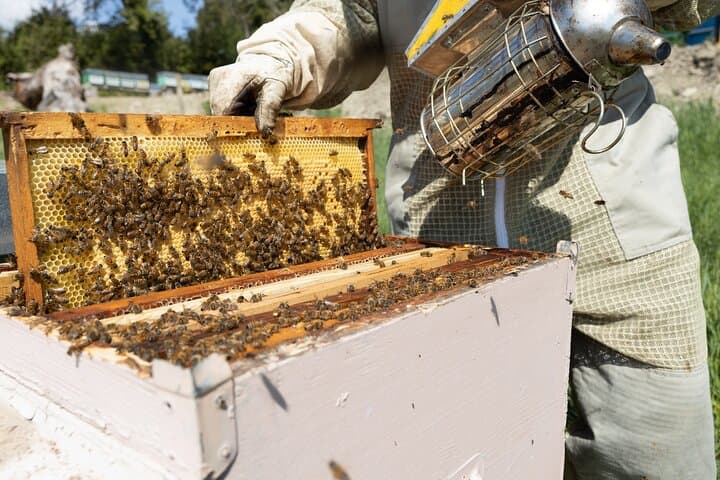
Practically, the 90‑minute private activity mixes a supervised inside‑the‑house observation, an outdoor beekeeper demo, and a hands‑on stop in the lab for honey extraction and tasting. Expect live demonstration of hive management, a chance to taste freshly extracted honey, and an opportunity to buy small‑batch, km‑0 products. The visit is accessible—short walk, minimal elevation—but you’ll move outdoors, stand during demonstrations, and be close to live colonies. Bring closed shoes, sun protection, and any personal allergy medication; follow the guide’s safety briefing and you’ll leave with a clearer sense of how these insects shape local ecology and cuisine.
easy.
1.5 hours.
Suitable for most fitness levels; involves a short 500 m walk and standing during demonstrations
Yes—observations and handling are supervised by an experienced beekeeper; protective briefings and restricted access keep guests safe.
Yes; the tour is family‑friendly and stroller accessible, but children should be supervised and follow the guide’s instructions near hives.
Yes—the itinerary includes honey extraction in the lab, tasting of freshly extracted honey, and the option to purchase small‑batch, local products.
Language options depend on the operator; private tours often accommodate multiple languages—confirm at booking via the provided link.
Volterra sits on ancient Etruscan and medieval foundations; local agriculture and beekeeping have been shaped by the town’s volcanic tuff soils and smallholder traditions.
Tours emphasize supporting local beekeepers and sustainable practices—avoid pesticides near hives and buy small‑batch products to support regional biodiversity.
L'alveare operates guided outdoor trips and adventures with an emphasis on safety, stewardship, and memorable experiences.
A late-morning light slants across the gravel as visitors set off from a small meeting point in Volterra, following a short 500‑m walk to a working educational apiary. Olive and scrub brush scent the air; old wooden farm implements line the path and the landscape shifts from cultivated terraces to the pale, tuff‑stone slopes that define this part of Tuscany. The hum of the hives becomes the trip’s steady background—bees moving with single‑minded purpose, nudging the visitor into close, quiet observation.
A late-morning light slants across the gravel as visitors set off from a small meeting point in Volterra, following a short 500‑m walk to a working educational apiary. Olive and scrub brush scent the air; old wooden farm implements line the path and the landscape shifts from cultivated terraces to the pale, tuff‑stone slopes that define this part of Tuscany. The hum of the hives becomes the trip’s steady background—bees moving with single‑minded purpose, nudging the visitor into close, quiet observation.
The experience frames bee biology against Volterra’s broader rural history: Etruscan and medieval settlements exploited the town’s volcanic tuff and mixed farmland, and small‑scale beekeeping has long linked local foodways to the land. Guides explain hive structure and the three castes—queen, workers, drones—while pointing out what else a hive produces beyond honey: propolis, pollen, royal jelly. Geologically, the area’s tuff and thin soils influence local flora, from rosemary to chestnut, producing distinctive monofloral honeys.
Practically, the 90‑minute private activity mixes a supervised inside‑the‑house observation, an outdoor beekeeper demo, and a hands‑on stop in the lab for honey extraction and tasting. Expect live demonstration of hive management, a chance to taste freshly extracted honey, and an opportunity to buy small‑batch, km‑0 products. The visit is accessible—short walk, minimal elevation—but you’ll move outdoors, stand during demonstrations, and be close to live colonies. Bring closed shoes, sun protection, and any personal allergy medication; follow the guide’s safety briefing and you’ll leave with a clearer sense of how these insects shape local ecology and cuisine.