THE ADVENTURE COLLECTIVE® · Independent discovery and booking for outdoor travel

Taste Alboraya horchata, stand atop 600 m coastal cliffs with Mediterranean and city views, then sit down to paella cooked over wood fire. This private full-day tour blends La Huerta’s agricultural history with an easy mountain walk and a local lunch.
Taste Alboraya horchata, stand atop 600 m coastal cliffs with Mediterranean and city views, then sit down to paella cooked over wood fire. This private full-day tour blends La Huerta’s agricultural history with an easy mountain walk and a local lunch.
A morning wind pushes across the irrigation canals of La Huerta as you step from the minivan into Alboraya’s cool shade. Here the air smells faintly of citrus and milky horchata; the town’s small horchaterias pour the pale drink made from chufa (tiger nut) and hand out crisp pastry fingers. It’s an unhurried, tactile introduction to Valencia’s agricultural heart.
Verified experiences and guided adventures in the surrounding area.
Operated by Different Valencia · Valencia, Valencian Community
A morning wind pushes across the irrigation canals of La Huerta as you step from the minivan into Alboraya’s cool shade. Here the air smells faintly of citrus and milky horchata; the town’s small horchaterias pour the pale drink made from chufa (tiger nut) and hand out crisp pastry fingers. It’s an unhurried, tactile introduction to Valencia’s agricultural heart.
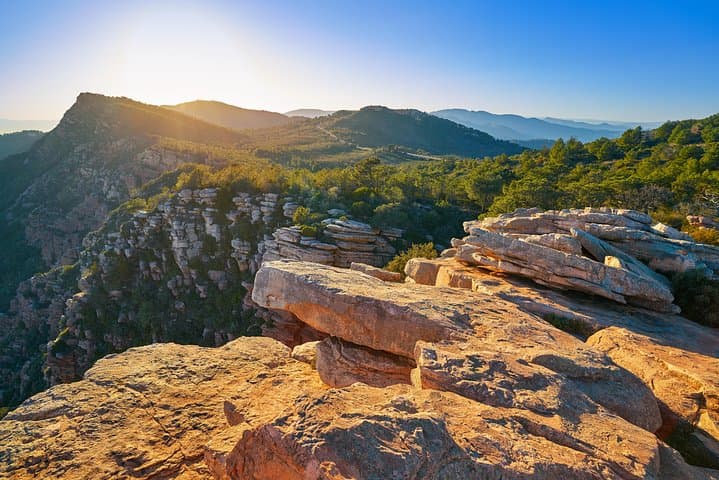
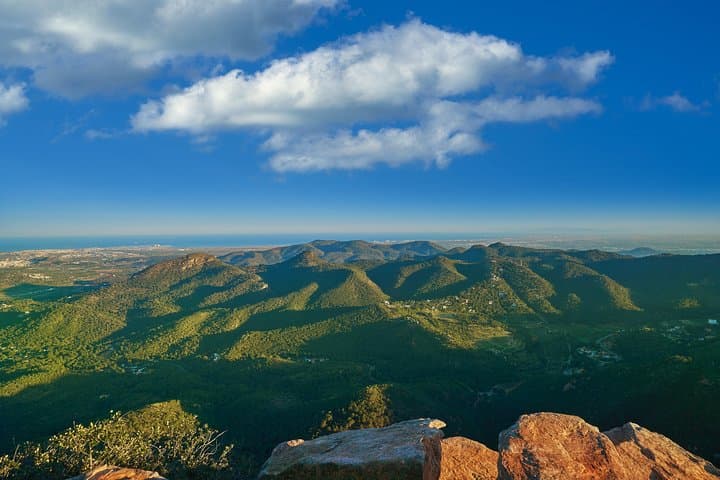
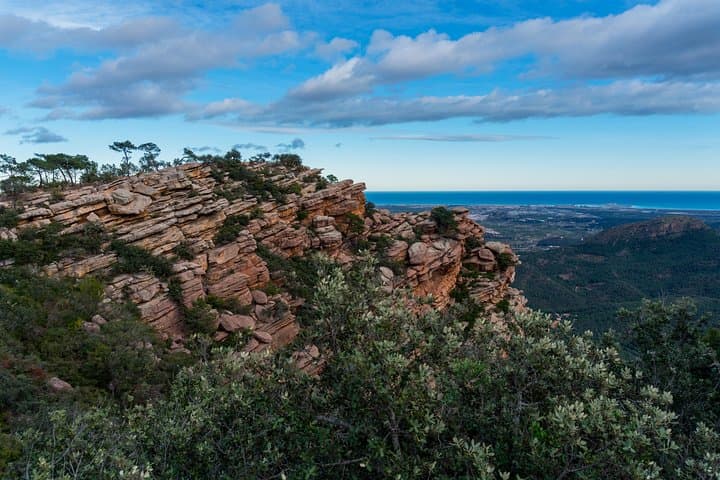
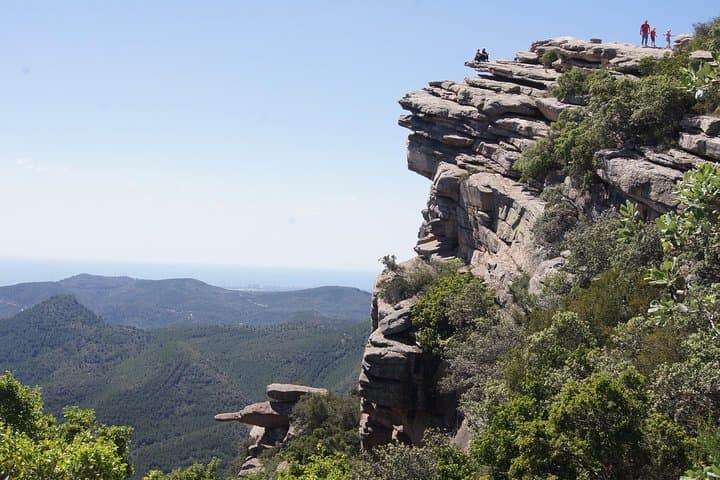
From the orchards the route climbs toward the coastal range — the same limestone ribs that form the Sierra Calderona and the Garbí ridge. The cliffs rise to roughly 600 m; on a clear day the Mediterranean glints below and Valencia’s compact skyline sits against the sea. Pine roots find purchase in crevices and the ridge seems to watch the city, daring you to look back.
Culturally the tour threads agriculture, Moorish irrigation engineering and Valencian foodways: horchata’s chufa traces back centuries, while paella here is still finished over wood fires in mountain restaurants that favor locally grown rice and seasonal produce.
Practical guidance: expect paved and uneven rural roads, a short 20-minute easy forest walk on packed dirt, and several photo stops. Bring sun protection and a refillable water bottle, and wear footwear with good grip for brief rocky sections. The full excursion runs about 5–6 hours including lunch; it’s a private tour with door-to-door options. For quieter moments choose a bench at the viewpoint and let the sea and city trade places beneath you — the cliffs will keep their secrets if you listen.
easy.
5–6 hours.
Suitable for most fitness levels; participants should be comfortable with brief uneven terrain and a short uphill walk.
The guided forest walk is about 20 minutes at an easy pace over packed dirt and gentle inclines.
Yes — a traditional serving of horchata and pastry fingers in Alboraya is included as a snack.
The tour is suitable for most travelers but not recommended for those with serious spinal or cardiovascular conditions; some routes are uneven.
A traditional paella cooked over open wood fire at a local mountain restaurant is included, served in an outdoor dining setting.
La Huerta’s irrigation network dates back to medieval and Moorish engineering, shaping Valencia’s intensive market gardens and chufa cultivation for horchata.
The coastal ranges are protected as natural areas; stay on designated tracks and avoid leaving waste—water scarcity and erosion are local concerns.
Different Valencia operates guided outdoor trips and adventures with an emphasis on safety, stewardship, and memorable experiences.
A morning wind pushes across the irrigation canals of La Huerta as you step from the minivan into Alboraya’s cool shade. Here the air smells faintly of citrus and milky horchata; the town’s small horchaterias pour the pale drink made from chufa (tiger nut) and hand out crisp pastry fingers. It’s an unhurried, tactile introduction to Valencia’s agricultural heart.
A morning wind pushes across the irrigation canals of La Huerta as you step from the minivan into Alboraya’s cool shade. Here the air smells faintly of citrus and milky horchata; the town’s small horchaterias pour the pale drink made from chufa (tiger nut) and hand out crisp pastry fingers. It’s an unhurried, tactile introduction to Valencia’s agricultural heart.
From the orchards the route climbs toward the coastal range — the same limestone ribs that form the Sierra Calderona and the Garbí ridge. The cliffs rise to roughly 600 m; on a clear day the Mediterranean glints below and Valencia’s compact skyline sits against the sea. Pine roots find purchase in crevices and the ridge seems to watch the city, daring you to look back.
Culturally the tour threads agriculture, Moorish irrigation engineering and Valencian foodways: horchata’s chufa traces back centuries, while paella here is still finished over wood fires in mountain restaurants that favor locally grown rice and seasonal produce.
Practical guidance: expect paved and uneven rural roads, a short 20-minute easy forest walk on packed dirt, and several photo stops. Bring sun protection and a refillable water bottle, and wear footwear with good grip for brief rocky sections. The full excursion runs about 5–6 hours including lunch; it’s a private tour with door-to-door options. For quieter moments choose a bench at the viewpoint and let the sea and city trade places beneath you — the cliffs will keep their secrets if you listen.