THE ADVENTURE COLLECTIVE® · Independent discovery and booking for outdoor travel

A full-day guided loop from Chisinau into Transnistria that visits Tiraspol and Bender—Soviet squares, a medieval fortress on the Dniester, and living reminders of a disputed 20th-century past. Expect short walks, strong photography moments, and practical border formalities.
A full-day guided loop from Chisinau into Transnistria that visits Tiraspol and Bender—Soviet squares, a medieval fortress on the Dniester, and living reminders of a disputed 20th-century past. Expect short walks, strong photography moments, and practical border formalities.
You step into a different clock: the Dniester threads past, gray tanks and Lenin statues keep watch, and the air has the pragmatic weight of a place that kept a slice of the Soviet era intact. The drive from Chisinau takes about an hour; fields flatten into the wide, slow river valley and Tiraspol’s blocky Soviet skyline appears as if frozen in mid-century planning.
Verified experiences and guided adventures in the surrounding area.
Operated by Moldovatovisit&tours · Tiraspol, Transnistria
You step into a different clock: the Dniester threads past, gray tanks and Lenin statues keep watch, and the air has the pragmatic weight of a place that kept a slice of the Soviet era intact. The drive from Chisinau takes about an hour; fields flatten into the wide, slow river valley and Tiraspol’s blocky Soviet skyline appears as if frozen in mid-century planning.
This one-day circuit visits Tiraspol and Bender (Bendery). Bender Fortress dates back to medieval trade routes along the Dniester and later Ottoman and Russian contests for the region. Tiraspol grew around a late-18th-century military outpost; its broad squares and monuments reflect 20th-century industrial planning and the short-lived PMR state that declared de facto independence after the Soviet collapse. KVINT’s cellars and the Tank Monument are living pieces of that layered past.
Expect mostly short, guided walks between viewpoints: the fortress walls, Lenin in the central square, Catherine Park, and military memorials. Photography is tempting, but the guide will cue sensitive spots and border realities.
Practical guidance: bring your passport (required), local cash for small vendors, and comfortable shoes for cobbled courtyards and fortress steps. Summer sun is strong on exposed squares; winters bite with wind off the Dniester. The tour is suitable for nearly all fitness levels but carries political and photographic etiquette—follow your guide, avoid military sites, and give yourself time at each stop for photos and context. By day’s end you’ll have a compact, grounded view of a place where history, identity, and landscape still push quietly at one another.
easy.
6–7 hours.
Light walking and brief stairs—suitable for most travelers who can board a minivan and walk short distances.
A current passport is required; visa needs depend on your nationality—check Moldova and Transnistria entry rules before travel.
Guided tours are generally safe; political sensitivities exist so follow your guide’s instructions and avoid restricted sites.
The Transnistrian ruble is the local currency, but many vendors accept Moldovan leu or euros—carry small cash for convenience.
Public squares and monuments are fine, but avoid photographing military equipment, checkpoints, or personnel; always ask your guide if unsure.
Bender’s fortress sits on medieval trade routes along the Dniester; Tiraspol later grew around an 18th-century military outpost and 20th-century Soviet planning.
Visitors should stay on paths around historical sites and avoid disturbing memorials; cross-border politics means local conservation and management can differ—pack out what you bring.
Moldovatovisit&tours operates guided outdoor trips and adventures with an emphasis on safety, stewardship, and memorable experiences.
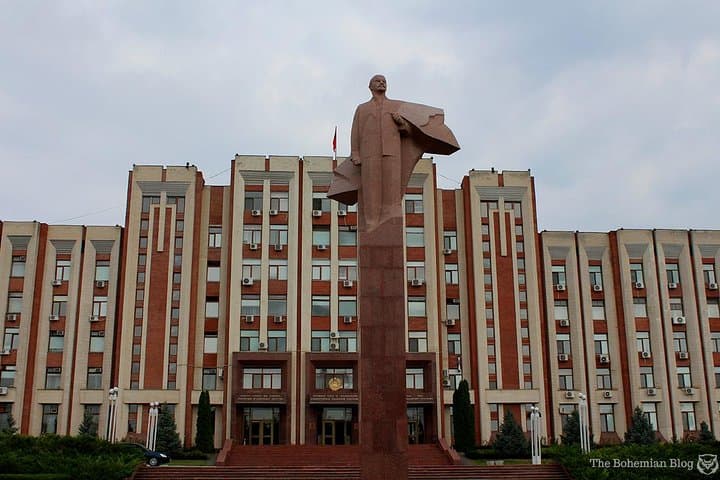



You step into a different clock: the Dniester threads past, gray tanks and Lenin statues keep watch, and the air has the pragmatic weight of a place that kept a slice of the Soviet era intact. The drive from Chisinau takes about an hour; fields flatten into the wide, slow river valley and Tiraspol’s blocky Soviet skyline appears as if frozen in mid-century planning.
You step into a different clock: the Dniester threads past, gray tanks and Lenin statues keep watch, and the air has the pragmatic weight of a place that kept a slice of the Soviet era intact. The drive from Chisinau takes about an hour; fields flatten into the wide, slow river valley and Tiraspol’s blocky Soviet skyline appears as if frozen in mid-century planning.
This one-day circuit visits Tiraspol and Bender (Bendery). Bender Fortress dates back to medieval trade routes along the Dniester and later Ottoman and Russian contests for the region. Tiraspol grew around a late-18th-century military outpost; its broad squares and monuments reflect 20th-century industrial planning and the short-lived PMR state that declared de facto independence after the Soviet collapse. KVINT’s cellars and the Tank Monument are living pieces of that layered past.
Expect mostly short, guided walks between viewpoints: the fortress walls, Lenin in the central square, Catherine Park, and military memorials. Photography is tempting, but the guide will cue sensitive spots and border realities.
Practical guidance: bring your passport (required), local cash for small vendors, and comfortable shoes for cobbled courtyards and fortress steps. Summer sun is strong on exposed squares; winters bite with wind off the Dniester. The tour is suitable for nearly all fitness levels but carries political and photographic etiquette—follow your guide, avoid military sites, and give yourself time at each stop for photos and context. By day’s end you’ll have a compact, grounded view of a place where history, identity, and landscape still push quietly at one another.