THE ADVENTURE COLLECTIVE® · Independent discovery and booking for outdoor travel

Explore the Tatacoa Desert with a local guide: walk red and gray badlands, learn paleontological history, share a regional lunch, and finish with stargazing from a small observatory. This full-day trip pairs geology and culture with accessible trails and sweeping night skies.
Explore the Tatacoa Desert with a local guide: walk red and gray badlands, learn paleontological history, share a regional lunch, and finish with stargazing from a small observatory. This full-day trip pairs geology and culture with accessible trails and sweeping night skies.
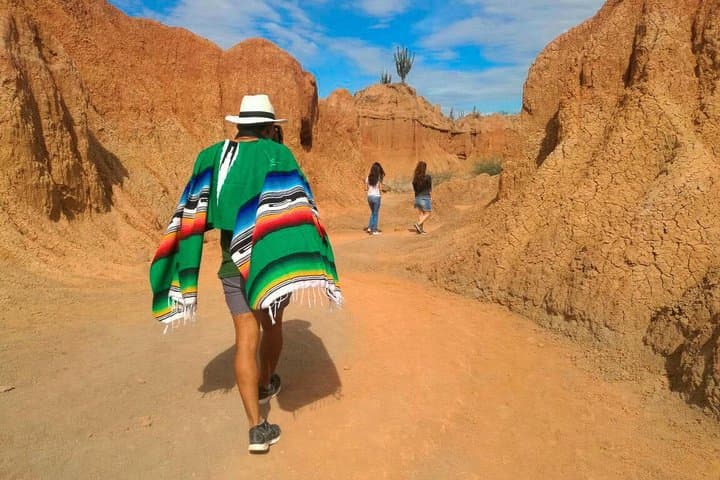
You arrive as the sun lowers and the desert exhales heat: rust-red canyons sharpen into shadows, and the gray badlands cool to a soft stone silence. Walking with a local guide, the labored hush of the landscape becomes a conversation—fossil beds, ancient river channels, and human stories mapped into gullies and viewpoints.
Verified experiences and guided adventures in the surrounding area.
Operated by Tocayá Natura · Villavieja, Huila
You arrive as the sun lowers and the desert exhales heat: rust-red canyons sharpen into shadows, and the gray badlands cool to a soft stone silence. Walking with a local guide, the labored hush of the landscape becomes a conversation—fossil beds, ancient river channels, and human stories mapped into gullies and viewpoints.
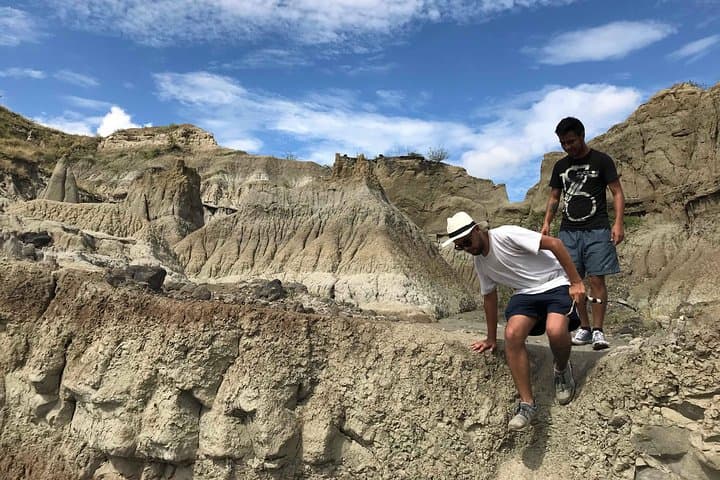
The Tatacoa Desert is not a true sand desert but a dry tropical forest eroded into ochre and gray mesas. Its geological history reads like a field book: sedimentary layers, paleontological finds of prehistoric fauna, and wind-driven gullies carved over millennia. Villavieja’s small center offers a touch of town life and traditional lunches—an entry point into Huila’s culture where farmers and astronomy enthusiasts share the same horizon.
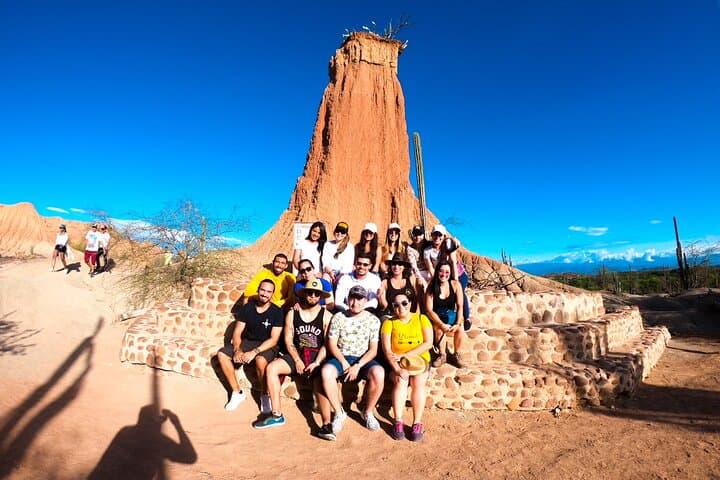
By day you’ll hike short, winding trails across firm, dusty ground: the Cardón viewpoint, the gray “holes,” and the red labyrinths called Cusco. Paths are moderate but exposed; the desert pushes you outward with open views and sudden rockwork. At dusk a natural water pool and western ridges stage the sunset, and after dark the observatory becomes the main act—an ink-black canopy interrupted only by planets and the Milky Way.
Practically: expect a long day—transport from Neiva, an easy-to-moderate walking program, and a stargazing session that requires clear skies. Bring layered clothing, sun protection, ample water, and a headlamp for evening movement. The experience blends geology, local culture, and astronomy into one full-day itinerary—big skies, quiet trails, and a living classroom under the stars.
easy.
12–14 hours (full-day).
Suitable for anyone in regular, everyday fitness; the hiking sections are short but mostly exposed.
This is a full-day excursion (about 12–14 hours including travel from Neiva), typically returning in the late evening after the stargazing session.
Night sky viewing depends on clear skies—tours include an observatory stop but may be limited by clouds or weather; check cancellation/refund terms.
Lunch is a typical regional meal shared with locals; basic restroom facilities exist in town and at some stops but expect rustic conditions in the field.
The tour is family-friendly but not recommended for those with serious spinal or heart conditions; some walking on uneven terrain is required.
The Tatacoa formed from ancient river deposits and marine sediments; paleontologists have found fossilized remains that point to a much wetter past.
Visitor impact is concentrated; stick to established paths, avoid collecting fossils, and support local guides who promote low-impact practices.
Tocayá Natura operates guided outdoor trips and adventures with an emphasis on safety, stewardship, and memorable experiences.
You arrive as the sun lowers and the desert exhales heat: rust-red canyons sharpen into shadows, and the gray badlands cool to a soft stone silence. Walking with a local guide, the labored hush of the landscape becomes a conversation—fossil beds, ancient river channels, and human stories mapped into gullies and viewpoints.
You arrive as the sun lowers and the desert exhales heat: rust-red canyons sharpen into shadows, and the gray badlands cool to a soft stone silence. Walking with a local guide, the labored hush of the landscape becomes a conversation—fossil beds, ancient river channels, and human stories mapped into gullies and viewpoints.
The Tatacoa Desert is not a true sand desert but a dry tropical forest eroded into ochre and gray mesas. Its geological history reads like a field book: sedimentary layers, paleontological finds of prehistoric fauna, and wind-driven gullies carved over millennia. Villavieja’s small center offers a touch of town life and traditional lunches—an entry point into Huila’s culture where farmers and astronomy enthusiasts share the same horizon.
By day you’ll hike short, winding trails across firm, dusty ground: the Cardón viewpoint, the gray “holes,” and the red labyrinths called Cusco. Paths are moderate but exposed; the desert pushes you outward with open views and sudden rockwork. At dusk a natural water pool and western ridges stage the sunset, and after dark the observatory becomes the main act—an ink-black canopy interrupted only by planets and the Milky Way.
Practically: expect a long day—transport from Neiva, an easy-to-moderate walking program, and a stargazing session that requires clear skies. Bring layered clothing, sun protection, ample water, and a headlamp for evening movement. The experience blends geology, local culture, and astronomy into one full-day itinerary—big skies, quiet trails, and a living classroom under the stars.