THE ADVENTURE COLLECTIVE® · Independent discovery and booking for outdoor travel

Turn Ribeauvillé’s lanes and squares into your own interactive quest. This self-guided, two-hour game combines geo-located puzzles, photo challenges and local lore to reveal the town’s medieval history and winemaking culture.
Turn Ribeauvillé’s lanes and squares into your own interactive quest. This self-guided, two-hour game combines geo-located puzzles, photo challenges and local lore to reveal the town’s medieval history and winemaking culture.
Cobblestones click underfoot as you swipe your way down a narrow Rue in Ribeauvillé, the Vosges foothills rising like a silent audience behind timbered façades.
Verified experiences and guided adventures in the surrounding area.
Operated by Insolit'PROD · Ribeauvillé, Grand Est
Cobblestones click underfoot as you swipe your way down a narrow Rue in Ribeauvillé, the Vosges foothills rising like a silent audience behind timbered façades.
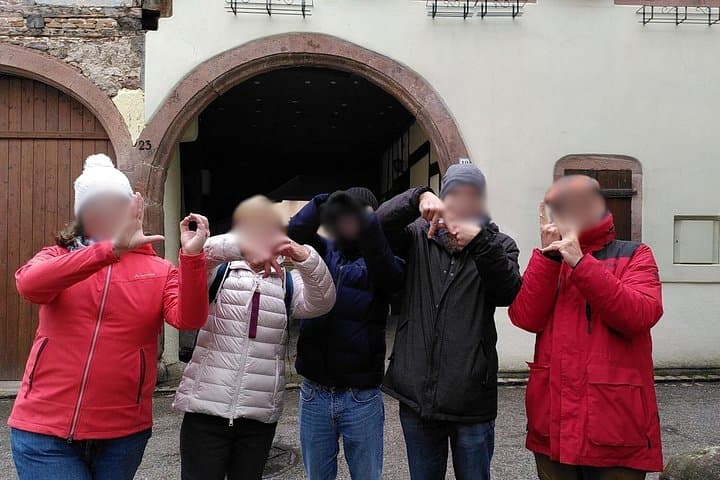
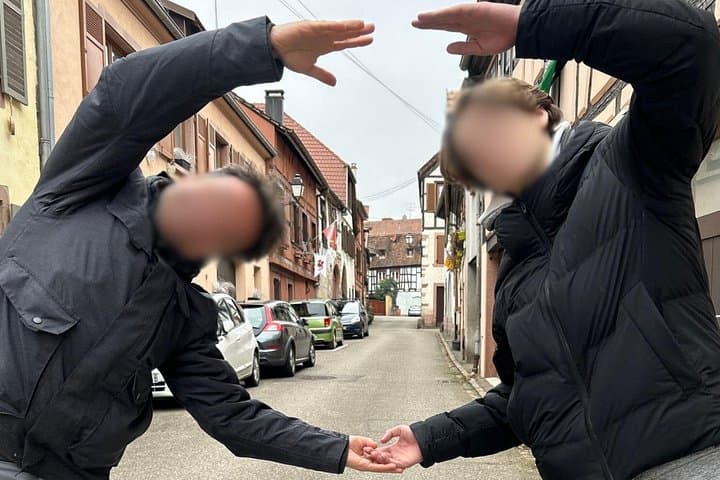
This is a two-hour, self-guided city game that turns alleys, squares and vineyard views into a scavenger hunt: geo-located points prompt questions, photo challenges and timed puzzles that riff on local trades, gastronomic oddities and the town’s medieval past.
Ribeauvillé sits beneath three ruined castles—Haut-Ribeaupierre, Saint-Ulrich and Girsberg—remnants of feudal watchfulness that shaped trade and viticulture here. Geologically, the town sits at the edge of the Haut-Rhin vineyards where sandstone and limestone slopes channel sun and cold air, producing the crisp Alsace wines the region is known for. Culturally you’ll pass half-timbered houses, historic washhouses and cellar doors where winemakers still sell by the glass.
The game is pragmatic: download the free app, enter the single-use game code, and move between geo‑points in any order. Expect 1.5–2 hours of walking at an easy pace with short bursts of observation and decision-making. The route is central and largely accessible, though old cobbles and occasional steps mean good footwear matters.
Bring a charged smartphone and a portable battery, plan around vineyard opening hours if you want a tasting afterward, and leave time to sit in a square with a local tarte flambée. The format rewards curiosity—notice shop signs, read plaque inscriptions and let the town’s history nudge your answers.
easy.
2 hours.
Suitable for most fitness levels; expect easy walking with short standing or crouching for photo tasks.
It’s self-guided: you use a free app and a unique game code to follow geo‑points around the village at your own pace.
Plan about two hours to complete the missions at a relaxed pace; faster teams may finish sooner.
The village center is largely accessible but some cobbled areas and steps may be challenging—check specific points if accessibility is essential.
Mobile tickets are accepted; you’ll receive a single-use game code per booking to activate the app.
Ribeauvillé grew as a medieval market town beneath feudal castles and developed a long winemaking tradition typical of Alsace, with strong Germanic cultural influences.
Stay on marked streets and vineyard paths, avoid trampling grapevines and support local producers to keep tourism sustainable.
Insolit'PROD operates guided outdoor trips and adventures with an emphasis on safety, stewardship, and memorable experiences.
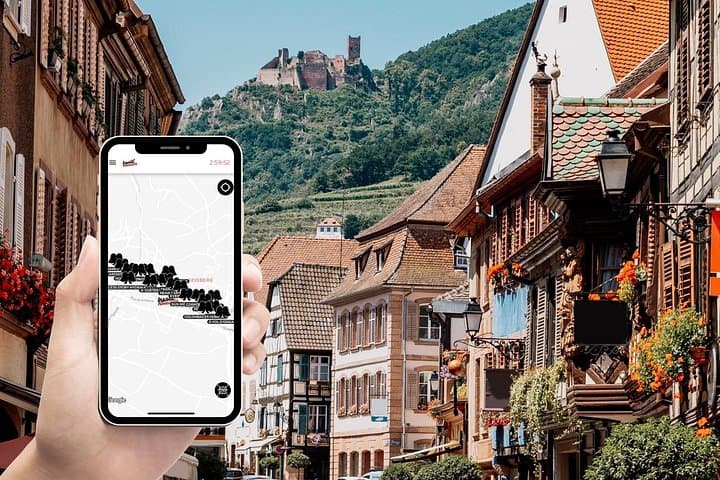
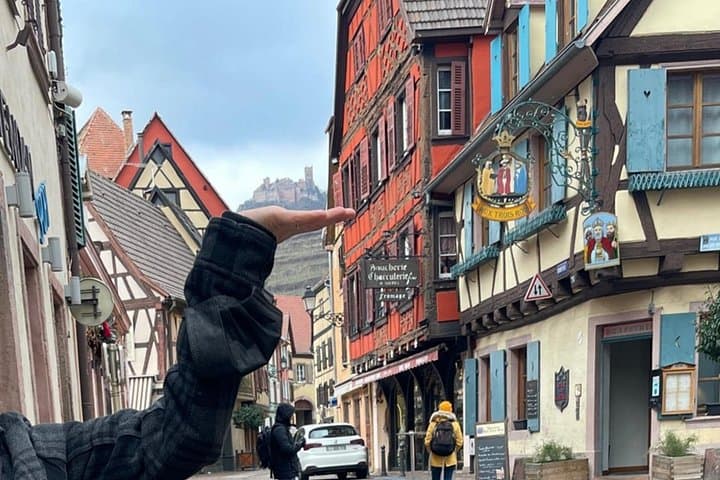
Cobblestones click underfoot as you swipe your way down a narrow Rue in Ribeauvillé, the Vosges foothills rising like a silent audience behind timbered façades.
Cobblestones click underfoot as you swipe your way down a narrow Rue in Ribeauvillé, the Vosges foothills rising like a silent audience behind timbered façades.
This is a two-hour, self-guided city game that turns alleys, squares and vineyard views into a scavenger hunt: geo-located points prompt questions, photo challenges and timed puzzles that riff on local trades, gastronomic oddities and the town’s medieval past.
Ribeauvillé sits beneath three ruined castles—Haut-Ribeaupierre, Saint-Ulrich and Girsberg—remnants of feudal watchfulness that shaped trade and viticulture here. Geologically, the town sits at the edge of the Haut-Rhin vineyards where sandstone and limestone slopes channel sun and cold air, producing the crisp Alsace wines the region is known for. Culturally you’ll pass half-timbered houses, historic washhouses and cellar doors where winemakers still sell by the glass.
The game is pragmatic: download the free app, enter the single-use game code, and move between geo‑points in any order. Expect 1.5–2 hours of walking at an easy pace with short bursts of observation and decision-making. The route is central and largely accessible, though old cobbles and occasional steps mean good footwear matters.
Bring a charged smartphone and a portable battery, plan around vineyard opening hours if you want a tasting afterward, and leave time to sit in a square with a local tarte flambée. The format rewards curiosity—notice shop signs, read plaque inscriptions and let the town’s history nudge your answers.