THE ADVENTURE COLLECTIVE® · Independent discovery and booking for outdoor travel

Explore five days of Kathmandu Valley’s living history, from carved palaces and world-class stupas to a sunrise ridge above the Himalaya. This practical cultural loop combines accessible walking, local crafts, and panoramic mountain views.
Explore five days of Kathmandu Valley’s living history, from carved palaces and world-class stupas to a sunrise ridge above the Himalaya. This practical cultural loop combines accessible walking, local crafts, and panoramic mountain views.
You step out of Tribhuvan Airport into a warm, dust-laced breeze and the city unfolds: narrow streets, prayer flags snapping above teahouse roofs, rickshaw bells threading through morning chants. The valley sits like a shallow bowl at 1,300 m, ringed by forested hills that push your sight toward the first ridges of the Himalaya. From Durbar Square’s carved wooden windows to the stupas’ watchful eyes, the place moves with a steady, lived-in history.
Verified experiences and guided adventures in the surrounding area.
Operated by Alpine Club of Himalaya · Kathmandu, Bagmati Province
You step out of Tribhuvan Airport into a warm, dust-laced breeze and the city unfolds: narrow streets, prayer flags snapping above teahouse roofs, rickshaw bells threading through morning chants. The valley sits like a shallow bowl at 1,300 m, ringed by forested hills that push your sight toward the first ridges of the Himalaya. From Durbar Square’s carved wooden windows to the stupas’ watchful eyes, the place moves with a steady, lived-in history.
Kathmandu Valley is effectively an open-air museum. Seven UNESCO groups—palaces, stupas and temples—map centuries of Newar craftsmanship, Hindu rituals and Tibetan-Buddhist influence. Geologically the basin holds terraced fields and compact urban cores where cobbles and stairs test your ankles; Nagarkot’s ridge at ~2,175 m gives one of the widest Himalayan panoramas in the region, from Ganesh Himal to Everest on clear days.
Culture here is tactile: Kumari’s silence, the smoke of cremation along the Bagmati River daring you to witness life and loss, potters shaping clay in Bhaktapur, and monks spinning prayer wheels at Boudhanath. Markets brim with paubha paintings, metalwork and handwoven carpets made by local artisans.
Practical guidance: schedule early starts for cooler walking and better mountain views; expect uneven ground and steep temple steps, so bring supportive footwear and a daypack. Dress modestly at religious sites and carry local cash for small entry fees and crafts. Hydrate—the altitude is mild but drying—and allow time between visits to absorb narrow alleys and unexpected courtyards. With sensible pacing, this five-day loop balances immersive history, manageable walking, and sunrise panoramas that make the valley’s layered past feel immediate and navigable.
easy.
5 days.
Suitable for most travelers; involves city walking, stairs and short drives—basic fitness and mobility are helpful.
Many nationalities can obtain a Nepal visa on arrival at Tribhuvan Airport; check current requirements with your embassy before travel.
Standard tour inclusions list hotels, some meals and transfers; entrance fees to monuments are commonly not included—confirm with your operator.
Yes—walking is moderate and stops are frequent; travelers with limited mobility should note uneven surfaces and steps at temple sites.
Autumn (Sept–Nov) and spring (Mar–May) generally offer the clearest skies and comfortable temperatures for Himalayan vistas.
Kathmandu Valley’s major monuments represent centuries of Newar craftsmanship and syncretic Hindu-Buddhist practice; many sites date back to medieval kingdoms that shaped Nepalese identity.
Visitor pressure and urban growth challenge fragile monuments and drainage systems; favor licensed guides, avoid touching carved woodwork, and support local conservation fees when offered.
Alpine Club of Himalaya operates guided outdoor trips and adventures with an emphasis on safety, stewardship, and memorable experiences.
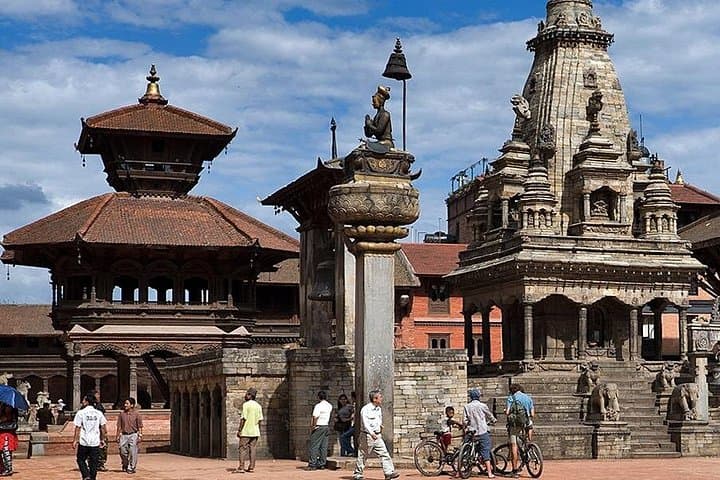
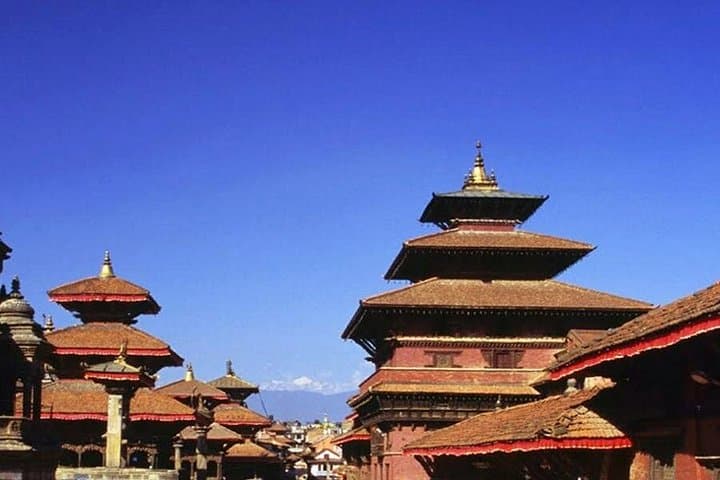
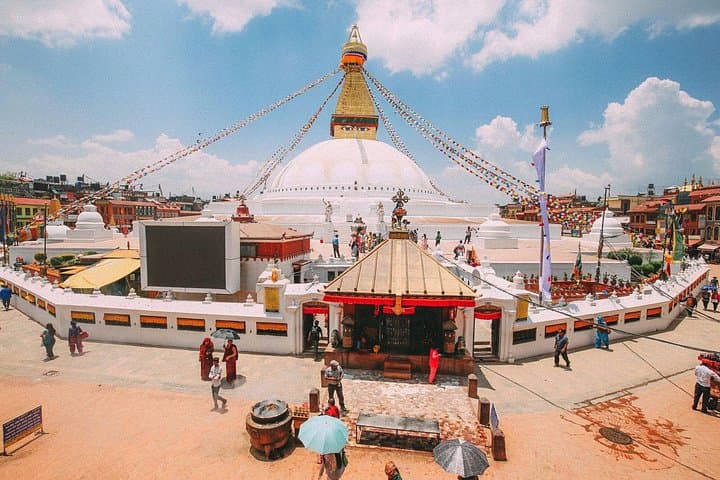
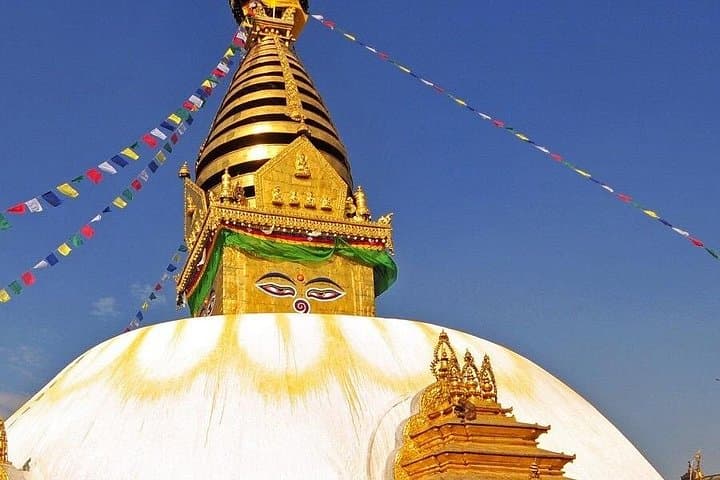
You step out of Tribhuvan Airport into a warm, dust-laced breeze and the city unfolds: narrow streets, prayer flags snapping above teahouse roofs, rickshaw bells threading through morning chants. The valley sits like a shallow bowl at 1,300 m, ringed by forested hills that push your sight toward the first ridges of the Himalaya. From Durbar Square’s carved wooden windows to the stupas’ watchful eyes, the place moves with a steady, lived-in history.
You step out of Tribhuvan Airport into a warm, dust-laced breeze and the city unfolds: narrow streets, prayer flags snapping above teahouse roofs, rickshaw bells threading through morning chants. The valley sits like a shallow bowl at 1,300 m, ringed by forested hills that push your sight toward the first ridges of the Himalaya. From Durbar Square’s carved wooden windows to the stupas’ watchful eyes, the place moves with a steady, lived-in history.
Kathmandu Valley is effectively an open-air museum. Seven UNESCO groups—palaces, stupas and temples—map centuries of Newar craftsmanship, Hindu rituals and Tibetan-Buddhist influence. Geologically the basin holds terraced fields and compact urban cores where cobbles and stairs test your ankles; Nagarkot’s ridge at ~2,175 m gives one of the widest Himalayan panoramas in the region, from Ganesh Himal to Everest on clear days.
Culture here is tactile: Kumari’s silence, the smoke of cremation along the Bagmati River daring you to witness life and loss, potters shaping clay in Bhaktapur, and monks spinning prayer wheels at Boudhanath. Markets brim with paubha paintings, metalwork and handwoven carpets made by local artisans.
Practical guidance: schedule early starts for cooler walking and better mountain views; expect uneven ground and steep temple steps, so bring supportive footwear and a daypack. Dress modestly at religious sites and carry local cash for small entry fees and crafts. Hydrate—the altitude is mild but drying—and allow time between visits to absorb narrow alleys and unexpected courtyards. With sensible pacing, this five-day loop balances immersive history, manageable walking, and sunrise panoramas that make the valley’s layered past feel immediate and navigable.