THE ADVENTURE COLLECTIVE® · Independent discovery and booking for outdoor travel

Descend into the working underground of Lower Manhattan to see abandoned platforms, forgotten passages and the engineering that keeps a 24/7 transit system moving. This two-hour private guided walk pairs history with practical insights for navigating NYC’s busiest subway corridors.
Descend into the working underground of Lower Manhattan to see abandoned platforms, forgotten passages and the engineering that keeps a 24/7 transit system moving. This two-hour private guided walk pairs history with practical insights for navigating NYC’s busiest subway corridors.
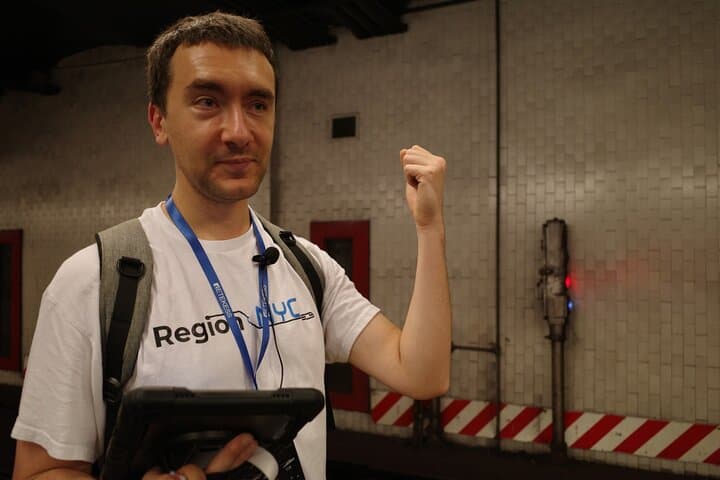
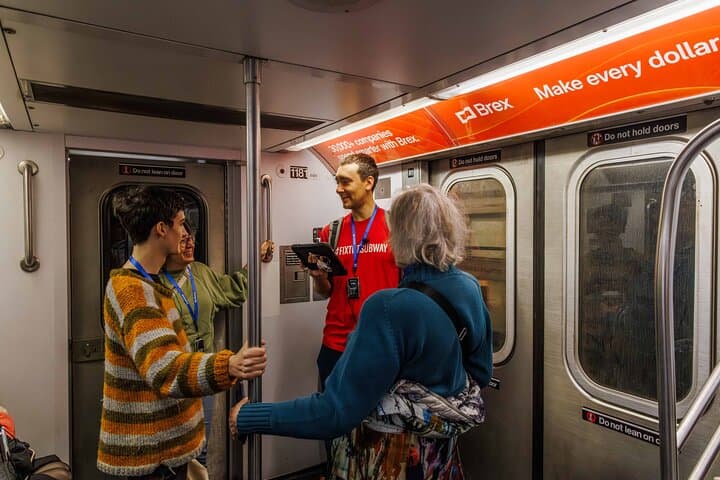
The platform breathes electricity and history: a steady rumble underfoot, the metallic scent of brakes, and voices folding into the tunnel's echo. On this private, two-hour walk through Lower Manhattan's public transit veins, participants move with a guide who points out abandoned platforms, service passages and structural scars that tell the city's infrastructural story.
Verified experiences and guided adventures in the surrounding area.
Operated by Region NYC · New York, NY
The platform breathes electricity and history: a steady rumble underfoot, the metallic scent of brakes, and voices folding into the tunnel's echo. On this private, two-hour walk through Lower Manhattan's public transit veins, participants move with a guide who points out abandoned platforms, service passages and structural scars that tell the city's infrastructural story.
The New York City Subway opened in 1904 and expanded through the 20th century, carving tunnels through Manhattan schist, glacial till and reclaimed shoreline. Stops like the 1904 City Hall Station are preserved time capsules — vaulted tiles and ornate ironwork that reveal early civic ambitions. Modern station interventions, emergency repairs after 9/11 and flood-control upgrades show how geology, engineering and politics collide beneath the streets.
Culturally the subway is a living artery: commuters, maintenance crews and freight movements all intersect. The tour stays in public spaces, so you’ll hear about PATH connections, Brooklyn Bridge secrets and the wine-cellar access points the system once shadowed.
Practical guidance: expect lots of stairs and uneven tile; wear supportive shoes and plan for two hours of standing and walking. Fare is included and headsets amplify the guide’s commentary. Photography of public platforms is generally allowed, but avoid restricted zones and follow your guide’s directions around active tracks.
Timing matters: try a mid-morning departure when trains run frequently but crowds are manageable. Bring a charged phone, a small water bottle and patience for brief delays; the subway is alive, occasionally loud, and always teaching the city’s layered past.
easy.
2 hours.
Suitable for most fitness levels but requires stair climbing and standing for extended periods
Yes — the tour provides full subway fare for the route covered during the experience.
The tour involves multiple stairs; it is not recommended for travelers with difficulty climbing steps or limited mobility.
Photography in public areas is generally allowed; do not cross safety lines or enter restricted zones and follow your guide’s directions.
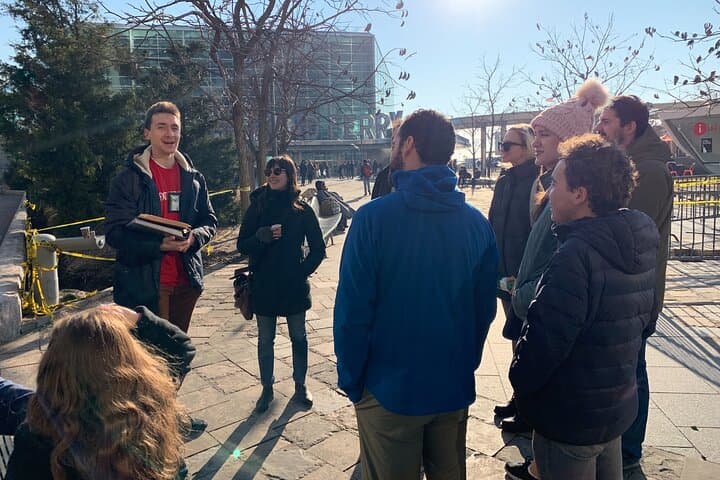
Meet outside the Starbucks at One Battery Park Plaza; the tour ends at the WTC/Fulton Center area in Lower Manhattan.
The NYC Subway began service in 1904; early stations were richly ornamented, reflecting civic pride and the ambitions of a growing metropolis.
The subway’s upgrades focus on flood mitigation and energy efficiency; visitors can minimize impact by staying in public zones and avoiding littering.
Region NYC operates guided outdoor trips and adventures with an emphasis on safety, stewardship, and memorable experiences.
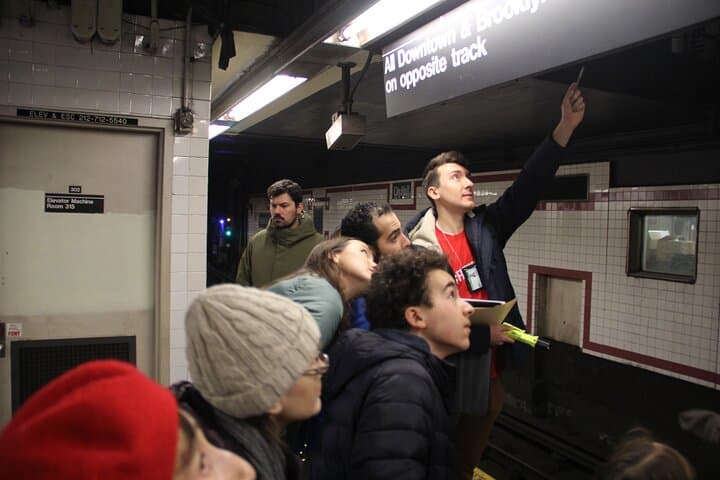
The platform breathes electricity and history: a steady rumble underfoot, the metallic scent of brakes, and voices folding into the tunnel's echo. On this private, two-hour walk through Lower Manhattan's public transit veins, participants move with a guide who points out abandoned platforms, service passages and structural scars that tell the city's infrastructural story.
The platform breathes electricity and history: a steady rumble underfoot, the metallic scent of brakes, and voices folding into the tunnel's echo. On this private, two-hour walk through Lower Manhattan's public transit veins, participants move with a guide who points out abandoned platforms, service passages and structural scars that tell the city's infrastructural story.
The New York City Subway opened in 1904 and expanded through the 20th century, carving tunnels through Manhattan schist, glacial till and reclaimed shoreline. Stops like the 1904 City Hall Station are preserved time capsules — vaulted tiles and ornate ironwork that reveal early civic ambitions. Modern station interventions, emergency repairs after 9/11 and flood-control upgrades show how geology, engineering and politics collide beneath the streets.
Culturally the subway is a living artery: commuters, maintenance crews and freight movements all intersect. The tour stays in public spaces, so you’ll hear about PATH connections, Brooklyn Bridge secrets and the wine-cellar access points the system once shadowed.
Practical guidance: expect lots of stairs and uneven tile; wear supportive shoes and plan for two hours of standing and walking. Fare is included and headsets amplify the guide’s commentary. Photography of public platforms is generally allowed, but avoid restricted zones and follow your guide’s directions around active tracks.
Timing matters: try a mid-morning departure when trains run frequently but crowds are manageable. Bring a charged phone, a small water bottle and patience for brief delays; the subway is alive, occasionally loud, and always teaching the city’s layered past.