THE ADVENTURE COLLECTIVE® · Independent discovery and booking for outdoor travel

Learn freediving basics, speargun safety and field techniques on a guided spearfishing course that runs from Tamarindo to Playa Flamingo. Expect shore briefings, a boat session, and hands-on practice in manageable Pacific conditions.
Learn freediving basics, speargun safety and field techniques on a guided spearfishing course that runs from Tamarindo to Playa Flamingo. Expect shore briefings, a boat session, and hands-on practice in manageable Pacific conditions.
The sun sits high above Tamarindo as the group gathers at a compact freediving school; neoprene whispers, instructors check rigging, and the Pacific tides press at the shoreline like a timed invitation. You’ll spend the afternoon moving from classroom mats to gunwales—briefing on gear, breath-hold technique and safety before a shuttle delivers you to Playa Flamingo and the open ocean where reefs and rocky drop-offs hold the fish you’re learning to read.
Verified experiences and guided adventures in the surrounding area.
Operated by Freedive Costa Rica · Tamarindo, Guanacaste
The sun sits high above Tamarindo as the group gathers at a compact freediving school; neoprene whispers, instructors check rigging, and the Pacific tides press at the shoreline like a timed invitation. You’ll spend the afternoon moving from classroom mats to gunwales—briefing on gear, breath-hold technique and safety before a shuttle delivers you to Playa Flamingo and the open ocean where reefs and rocky drop-offs hold the fish you’re learning to read.
Guanacaste’s coast is young geologically—volcanic rock meeting sedimentary beaches—so expect a mix of rocky points and sandy coves that concentrate fish and shape local fishing culture. Sport and subsistence fishing have long been part of the community here; modern spearfishing courses emphasize local regulations and selective harvest to protect juvenile and protected species.
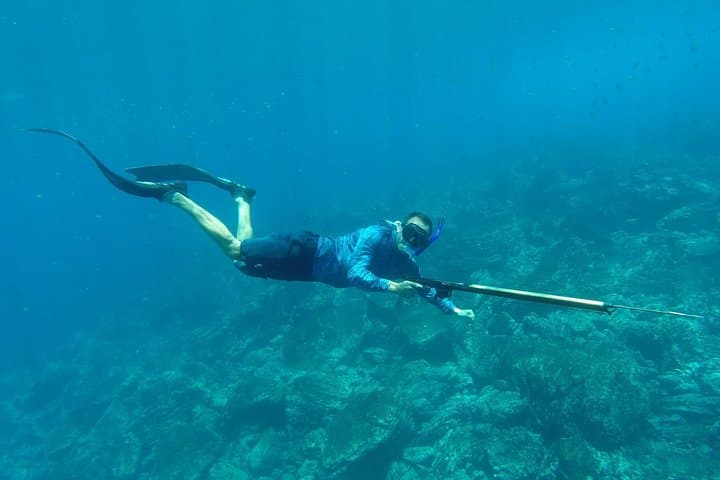
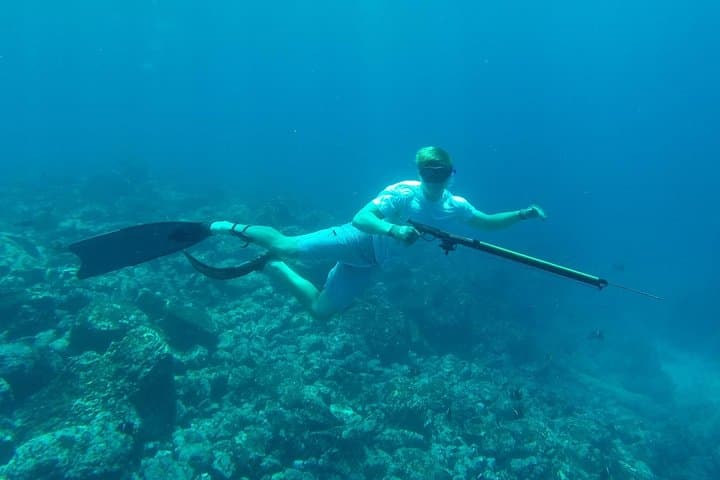
The practical section begins with speargun handling, stalk strategy and shallow freedives (typically 3–15 m) under instructor supervision. Visibility on the Pacific side is usually 10–30 m in the dry months, water temperatures average 26–29°C, and currents can be moderate—your instructor will match sites to skill level.
Plan for a 5–6 hour outing that includes transport, equipment, snacks and a souvenir photo/video. Minimum age is 18 and participants must be able to swim; no prior spearfishing experience required. Bring reef-safe sunscreen, a snug mask and a calm approach—both for safety and success. The course balances adrenaline with practical skills: you’ll surface with breathing techniques, an understanding of fish behavior, and, possibly, a fresh-caught dinner.
moderate.
5–6 hours.
Should be comfortable swimming and able to perform breath-hold dives to shallow depths; cardio fitness helpful but not required.
No prior experience is required; the course begins with theory and supervised shallow freedive practice before any open-water spearing.
Minimum age is 18; not recommended for pregnant travelers or those with significant cardiovascular issues—be able to swim and disclose any medical concerns.
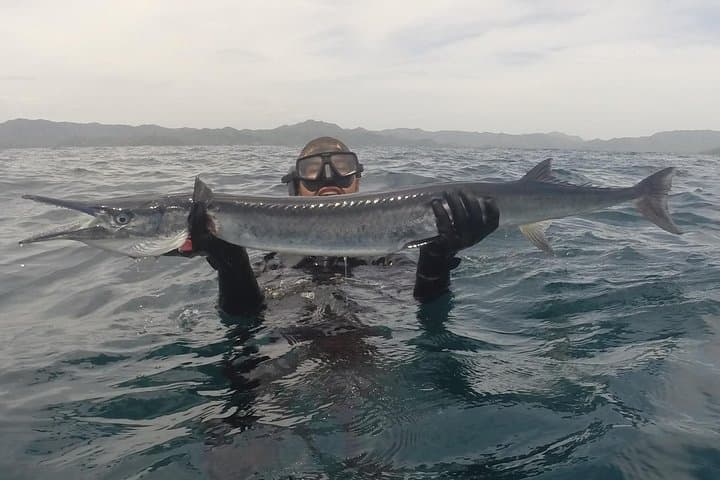
Guides will direct you to legal, sustainable targets—typically reef and nearshore species—while avoiding protected or juvenile fish according to local regulations.
Standard cancellation policy allows a full refund when cancelled at least 24 hours in advance; operators monitor conditions and may reschedule for safety concerns.
Fishing has been central to Guanacaste communities for generations; modern sport diving and artisanal fishing co-exist alongside growing conservation efforts.
Operators emphasize selective harvest and local regulations; use reef-safe products and follow guide instructions to minimize habitat impact.
Freedive Costa Rica operates guided outdoor trips and adventures with an emphasis on safety, stewardship, and memorable experiences.
The sun sits high above Tamarindo as the group gathers at a compact freediving school; neoprene whispers, instructors check rigging, and the Pacific tides press at the shoreline like a timed invitation. You’ll spend the afternoon moving from classroom mats to gunwales—briefing on gear, breath-hold technique and safety before a shuttle delivers you to Playa Flamingo and the open ocean where reefs and rocky drop-offs hold the fish you’re learning to read.
The sun sits high above Tamarindo as the group gathers at a compact freediving school; neoprene whispers, instructors check rigging, and the Pacific tides press at the shoreline like a timed invitation. You’ll spend the afternoon moving from classroom mats to gunwales—briefing on gear, breath-hold technique and safety before a shuttle delivers you to Playa Flamingo and the open ocean where reefs and rocky drop-offs hold the fish you’re learning to read.
Guanacaste’s coast is young geologically—volcanic rock meeting sedimentary beaches—so expect a mix of rocky points and sandy coves that concentrate fish and shape local fishing culture. Sport and subsistence fishing have long been part of the community here; modern spearfishing courses emphasize local regulations and selective harvest to protect juvenile and protected species.
The practical section begins with speargun handling, stalk strategy and shallow freedives (typically 3–15 m) under instructor supervision. Visibility on the Pacific side is usually 10–30 m in the dry months, water temperatures average 26–29°C, and currents can be moderate—your instructor will match sites to skill level.
Plan for a 5–6 hour outing that includes transport, equipment, snacks and a souvenir photo/video. Minimum age is 18 and participants must be able to swim; no prior spearfishing experience required. Bring reef-safe sunscreen, a snug mask and a calm approach—both for safety and success. The course balances adrenaline with practical skills: you’ll surface with breathing techniques, an understanding of fish behavior, and, possibly, a fresh-caught dinner.