THE ADVENTURE COLLECTIVE® · Independent discovery and booking for outdoor travel

A compact four-day loop from Şanlıurfa to Mount Nemrut, this itinerary pairs sunrise rituals and ancient ruins with local culture in Mardin and Harran. Expect early mornings, dramatic archaeology, and changing climates across the Mesopotamian plain.
A compact four-day loop from Şanlıurfa to Mount Nemrut, this itinerary pairs sunrise rituals and ancient ruins with local culture in Mardin and Harran. Expect early mornings, dramatic archaeology, and changing climates across the Mesopotamian plain.
Morning light slants across the Mesopotamian plain as the tour group steps out of a small regional airport—dust lifts, the air smells of tea and baked bread, and a private van waits to thread narrow lanes toward Göbeklitepe. Over four days the landscape shifts from irrigation canals and sacred pools to stone-carved terraces and high volcanic ridgelines; each stop feels like another chapter in a very old book.
Verified experiences and guided adventures in the surrounding area.
Operated by Cappadocia Pobeda Travel · Şanlıurfa, Şanlıurfa Province
Morning light slants across the Mesopotamian plain as the tour group steps out of a small regional airport—dust lifts, the air smells of tea and baked bread, and a private van waits to thread narrow lanes toward Göbeklitepe. Over four days the landscape shifts from irrigation canals and sacred pools to stone-carved terraces and high volcanic ridgelines; each stop feels like another chapter in a very old book.
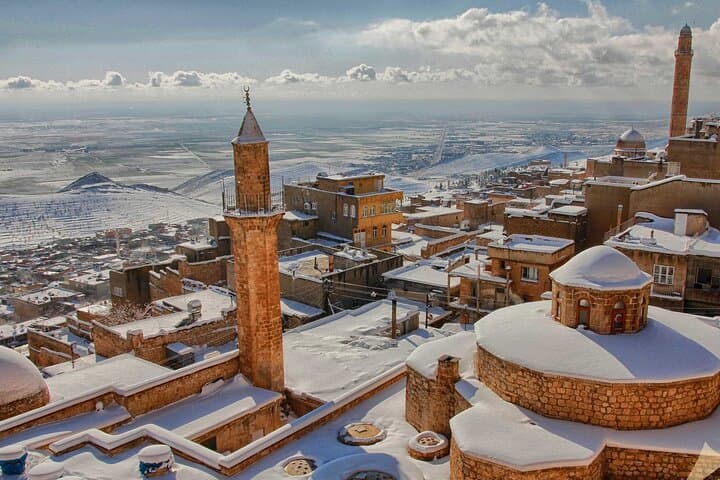
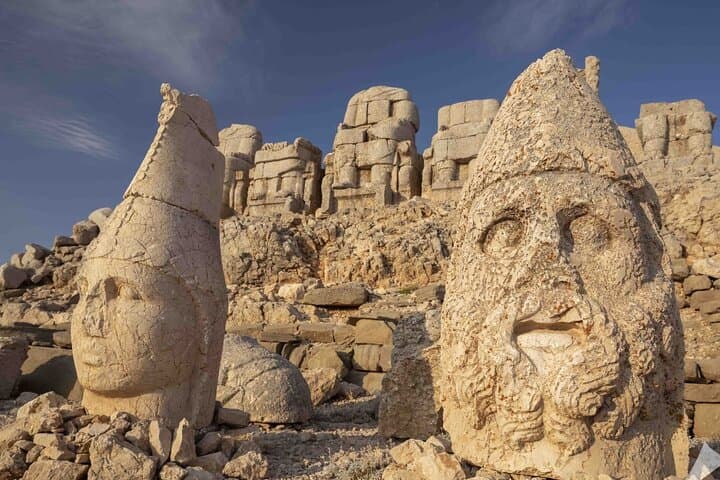
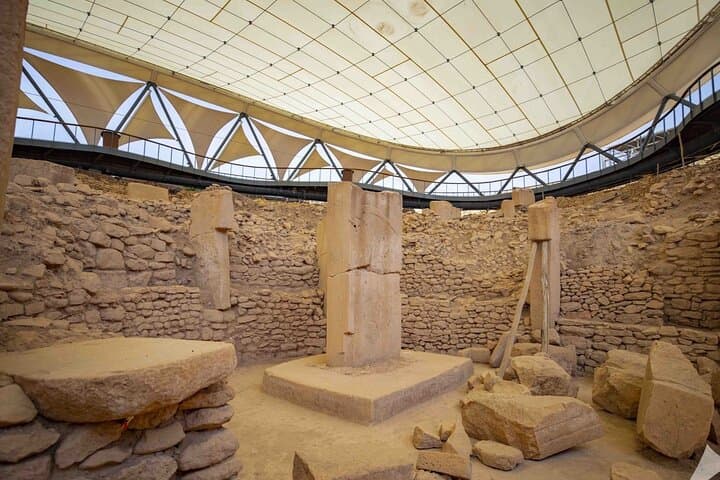
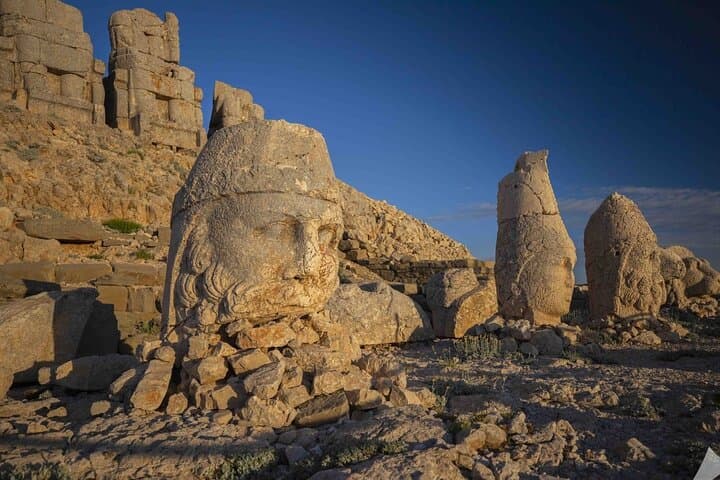
This route stitches together major cultural layers: Göbeklitepe (12,000+ years old) rewrites early ritual life; Harran’s mud-brick beehive houses show vernacular adaptation to hot plains; Mardin’s carved limestone façades look down on the fertile Mesopotamia below; and Mount Nemrut’s colossal Hellenistic statues crown a royal tomb from the Commagene kingdom. Geologically, you traverse alluvial plains that give way to limestone terraces and the volcanic domes around Nemrut, where frost and wind shape the ruins.
Practical guidance is straightforward. Expect early departures—sunrise at Nemrut is the highlight—and domestic flights between Istanbul and Şanlıurfa are included. Wear layered clothing: plains heat by day, sharp cold at dawn on the mountain. Bring a sturdy pair of walking shoes for uneven archaeological sites and a daypack with water and sun protection. Respect mosque etiquette (modest dress, quiet reverence) and local customs; photography is generally welcomed but ask when visiting small communities.
This itinerary balances archaeology, rural culture, and dramatic views—ideal for travelers who want dense historical context without extensive trekking. Pack for varied temperatures and active days; the region rewards curiosity with sites that push at the edges of recorded history.
moderate.
3–4 days.
Moderate fitness—able to walk short uneven archaeological sites, manage stairs and brief uphill sections.
Yes—round-trip domestic flights between Istanbul and the regional airport are included as listed in the itinerary.
Some sites contain uneven ground, stairs, and short climbs; the tour requires moderate mobility and is not recommended for those with serious mobility issues.
Professional local guides typically speak Turkish and at least one international language (often English); confirm language needs at booking.
Breakfast is included each day and most operators can accommodate common dietary restrictions if informed in advance—use the booking’s special requirements field.
The route links sites from the Neolithic (Göbeklitepe) to the Commagene kingdom and Roman-era engineering, reflecting continuous occupation and strategic crossroads.
Many archaeological sites are fragile—stay on marked paths, do not touch carved reliefs, and support local guides who work with conservation authorities.
Cappadocia Pobeda Travel operates guided outdoor trips and adventures with an emphasis on safety, stewardship, and memorable experiences.
Morning light slants across the Mesopotamian plain as the tour group steps out of a small regional airport—dust lifts, the air smells of tea and baked bread, and a private van waits to thread narrow lanes toward Göbeklitepe. Over four days the landscape shifts from irrigation canals and sacred pools to stone-carved terraces and high volcanic ridgelines; each stop feels like another chapter in a very old book.
Morning light slants across the Mesopotamian plain as the tour group steps out of a small regional airport—dust lifts, the air smells of tea and baked bread, and a private van waits to thread narrow lanes toward Göbeklitepe. Over four days the landscape shifts from irrigation canals and sacred pools to stone-carved terraces and high volcanic ridgelines; each stop feels like another chapter in a very old book.
This route stitches together major cultural layers: Göbeklitepe (12,000+ years old) rewrites early ritual life; Harran’s mud-brick beehive houses show vernacular adaptation to hot plains; Mardin’s carved limestone façades look down on the fertile Mesopotamia below; and Mount Nemrut’s colossal Hellenistic statues crown a royal tomb from the Commagene kingdom. Geologically, you traverse alluvial plains that give way to limestone terraces and the volcanic domes around Nemrut, where frost and wind shape the ruins.
Practical guidance is straightforward. Expect early departures—sunrise at Nemrut is the highlight—and domestic flights between Istanbul and Şanlıurfa are included. Wear layered clothing: plains heat by day, sharp cold at dawn on the mountain. Bring a sturdy pair of walking shoes for uneven archaeological sites and a daypack with water and sun protection. Respect mosque etiquette (modest dress, quiet reverence) and local customs; photography is generally welcomed but ask when visiting small communities.
This itinerary balances archaeology, rural culture, and dramatic views—ideal for travelers who want dense historical context without extensive trekking. Pack for varied temperatures and active days; the region rewards curiosity with sites that push at the edges of recorded history.