THE ADVENTURE COLLECTIVE® · Independent discovery and booking for outdoor travel

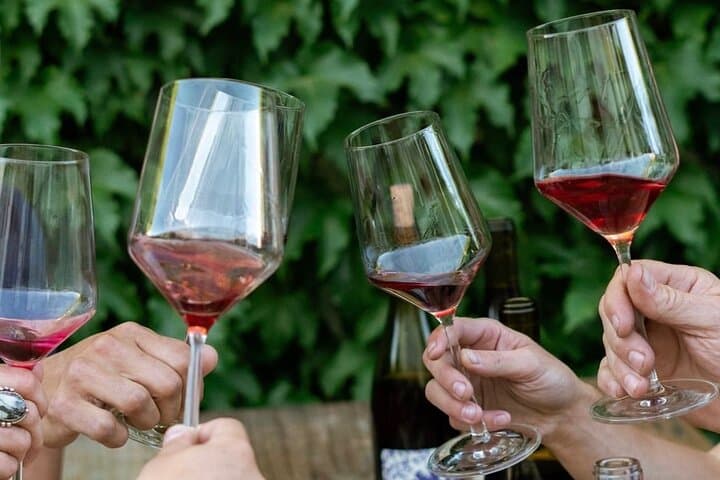
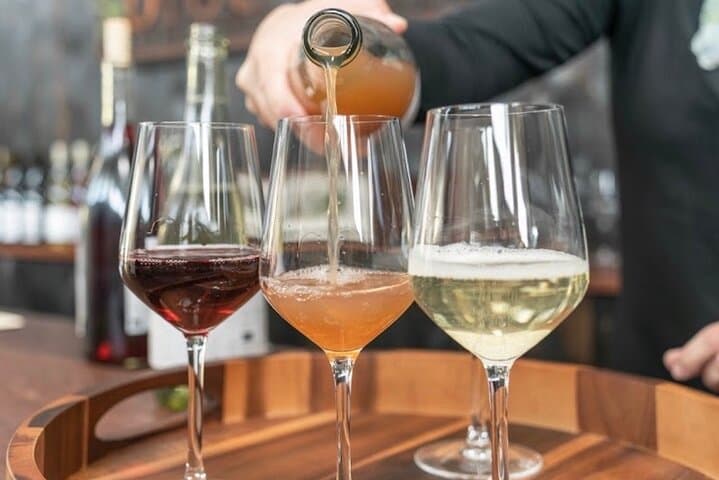
Explore Sonoma’s small, artisan wineries on an intimate 6–7 hour tour focused on natural and sustainable winemaking. Taste two producer-driven flights, enjoy a locally sourced lunch, and learn practical tools for understanding wild yeast fermentation and biodynamic farming.
Explore Sonoma’s small, artisan wineries on an intimate 6–7 hour tour focused on natural and sustainable winemaking. Taste two producer-driven flights, enjoy a locally sourced lunch, and learn practical tools for understanding wild yeast fermentation and biodynamic farming.
You step off the plaza into a cool breeze carrying the faint scent of crushed grapes and rosemary — the valley pulls you forward. Vines march up low ridges, their leaves turning the slope into a living grid that measures the seasons. The guide slides into the driver’s seat of an air-conditioned van; today is about small producers who farm with the land, not against it.
Verified experiences and guided adventures in the surrounding area.
Operated by Bacchus Loves the Hills · Sonoma, California
You step off the plaza into a cool breeze carrying the faint scent of crushed grapes and rosemary — the valley pulls you forward. Vines march up low ridges, their leaves turning the slope into a living grid that measures the seasons. The guide slides into the driver’s seat of an air-conditioned van; today is about small producers who farm with the land, not against it.
Sonoma’s wine story stretches from mission-era vineyards planted in the 1820s to the family-run operations that rebounded after Prohibition and now lead California’s organic and biodynamic experiments. Geologically, Sonoma sits where sedimentary valley soils meet volcanic foothills; that mix gives local wines a range from saline-driven Chardonnays to mineral Pinot Noirs.
Culture here is hands-on: winemakers prune with the calendar, cellar hands coax wild yeasts, and tasting rooms are often a kitchen-table conversation. Between stops you’ll sample lunches designed to show wines at their best, and learn the language of natural fermentation, skin-contact whites, and minimal-sulfur practices.
Practical guidance: plan for a 6–7 hour outing with short walks between tasting benches and a relaxed lunch break. Bring a government ID, hydrate between flights, and wear comfortable shoes — vineyard surfaces can be uneven and dusty. Expect intimate tastings (maximum four guests) and discussions about sustainable farming and flavor clarity rather than flashy production. The trip is suitable for newcomers who want context as well as experienced tasters seeking artisan bottles you likely won’t find in stores. Leave room in your luggage for bottles; many producers are small and shipping may be recommended after your visit.
easy.
6–7 hours.
Suitable for most fitness levels; involves short, mostly flat walks and standing during tastings
Private transportation, two full flights of wine at two different wineries, and a lunch at a local Sonoma restaurant are included.
Yes — tastings are only for guests aged 21 and over; a valid photo ID is required.
Yes — the tour notes vegetarian options and can usually accommodate common dietary restrictions if informed in advance.
This tour is labeled all sales final; bookings are non-refundable and the operator may cancel for weather or insufficient travelers.
Sonoma’s vineyards date to mission-era plantings in the early 1800s and expanded through 19th-century settlers; modern organic and biodynamic practices grew here as families prioritized land stewardship.
Many small Sonoma producers focus on low-intervention farming, reducing chemical inputs and encouraging biodiversity; visitors can support these practices by respecting site rules and opting for local shipping rather than transporting unopened bottles on long drives.
Bacchus Loves the Hills operates guided outdoor trips and adventures with an emphasis on safety, stewardship, and memorable experiences.


You step off the plaza into a cool breeze carrying the faint scent of crushed grapes and rosemary — the valley pulls you forward. Vines march up low ridges, their leaves turning the slope into a living grid that measures the seasons. The guide slides into the driver’s seat of an air-conditioned van; today is about small producers who farm with the land, not against it.
You step off the plaza into a cool breeze carrying the faint scent of crushed grapes and rosemary — the valley pulls you forward. Vines march up low ridges, their leaves turning the slope into a living grid that measures the seasons. The guide slides into the driver’s seat of an air-conditioned van; today is about small producers who farm with the land, not against it.
Sonoma’s wine story stretches from mission-era vineyards planted in the 1820s to the family-run operations that rebounded after Prohibition and now lead California’s organic and biodynamic experiments. Geologically, Sonoma sits where sedimentary valley soils meet volcanic foothills; that mix gives local wines a range from saline-driven Chardonnays to mineral Pinot Noirs.
Culture here is hands-on: winemakers prune with the calendar, cellar hands coax wild yeasts, and tasting rooms are often a kitchen-table conversation. Between stops you’ll sample lunches designed to show wines at their best, and learn the language of natural fermentation, skin-contact whites, and minimal-sulfur practices.
Practical guidance: plan for a 6–7 hour outing with short walks between tasting benches and a relaxed lunch break. Bring a government ID, hydrate between flights, and wear comfortable shoes — vineyard surfaces can be uneven and dusty. Expect intimate tastings (maximum four guests) and discussions about sustainable farming and flavor clarity rather than flashy production. The trip is suitable for newcomers who want context as well as experienced tasters seeking artisan bottles you likely won’t find in stores. Leave room in your luggage for bottles; many producers are small and shipping may be recommended after your visit.