THE ADVENTURE COLLECTIVE® · Independent discovery and booking for outdoor travel

A full-day loop from Zagreb through Postojna Cave, Lake Bled and Ljubljana—this private tour pairs subterranean karst spectacle with alpine lakeshore and a compact, walkable capital. Expect cave trains, a traditional pletna boat, and city walking.
A full-day loop from Zagreb through Postojna Cave, Lake Bled and Ljubljana—this private tour pairs subterranean karst spectacle with alpine lakeshore and a compact, walkable capital. Expect cave trains, a traditional pletna boat, and city walking.
You step into the day before dawn in Zagreb and the road eats up kilometers as Slovenia’s karst hills loom into view.
Verified experiences and guided adventures in the surrounding area.
Operated by Budget Transfer Croatia · Postojna, Inner Carniola
You step into the day before dawn in Zagreb and the road eats up kilometers as Slovenia’s karst hills loom into view.
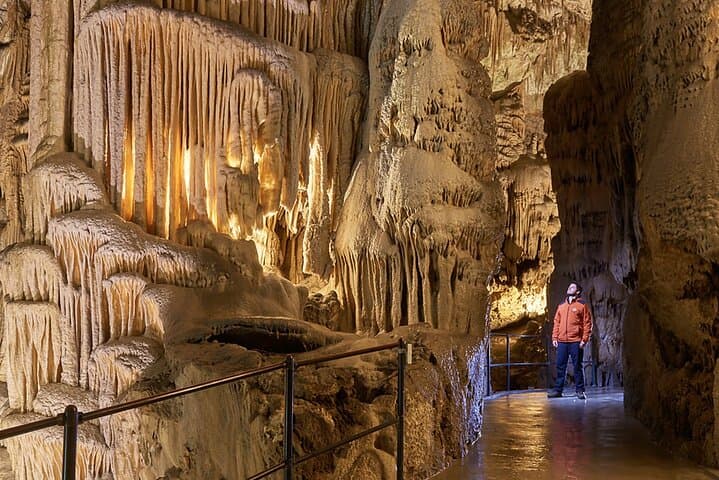
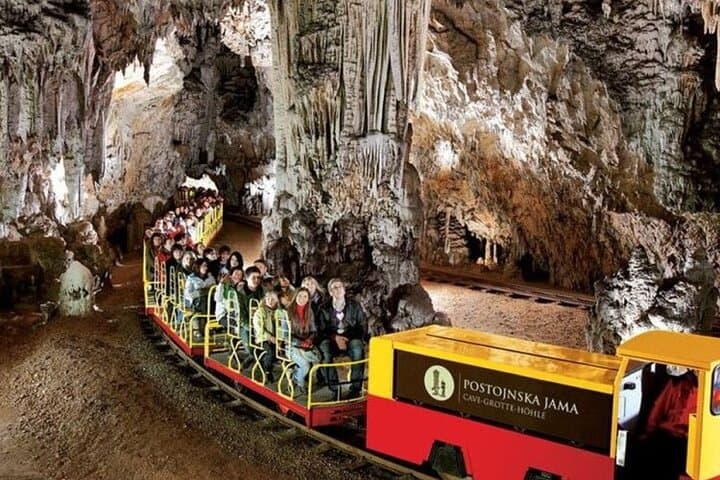
The first stop is Postojna Cave: an underground river that seems to have its own patience, passages that push you forward past curtains and columns formed over millennia. After the cave’s electric-lit galleries and the short scenic train inside, the tour climbs back into daylight and heads north to Lake Bled.
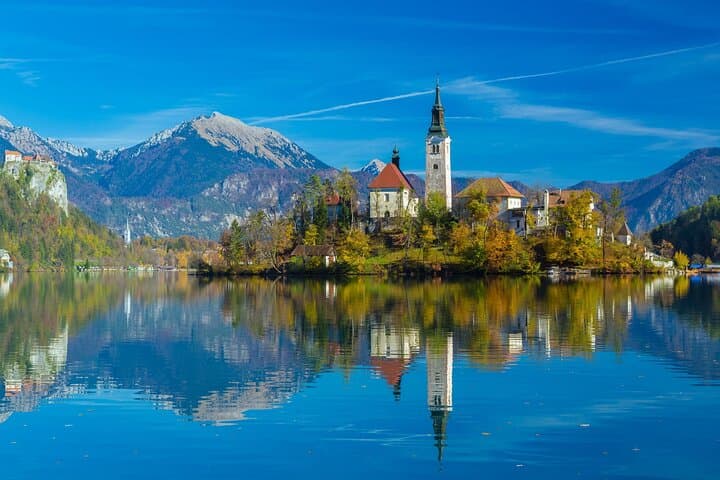
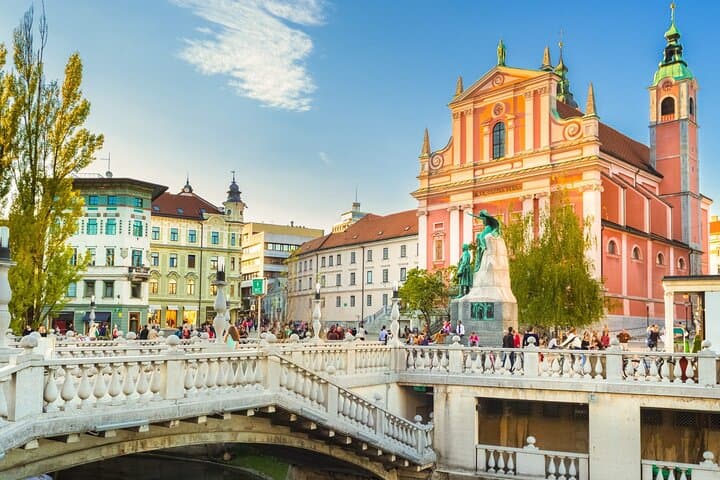
Bled’s green water sits below steep forested slopes and a single island with a white church; pletna boats cut slow wakes while castle walls above angle toward the Julian Alps. The final stretch drops you into Ljubljana’s compact Old Town where the Ljubljanica River threads beneath cobbled bridges and craft stalls.
Geology defines this route—karst dissolution carved the cave system, glaciers shaped the lake basin, and human history layered Roman, medieval, and Austro-Hungarian streetscapes into the capital.
Expect a full day of short walks, stairs, and guided stops: cave galleries with stable 8–12°C temperatures, a lakeside promenade, and city strolls on uneven paving.
Practical notes: carry a light waterproof layer for the cave’s cool, damp air, bring comfortable shoes with grip for stairs and wet docks, and keep your passport accessible for crossing the border. Timing matters—start early to avoid Bled’s midday crowds and allow at least 45–60 minutes for each major stop to soak in both the landscape and the details that make Slovenia distinct.
moderate.
12 hours.
Able to handle a full day of standing, short hikes, and stair climbs; suitable for most fitness levels with moderate mobility.
The tour description notes admissions may not be included; check booking details—popular attractions like Postojna and pletna boats sell out in high season, so pre-book if possible.
Expect multiple short walks—cave galleries with stairs, a lakeside promenade, and urban walking in Ljubljana totaling a few kilometers spread across the day.
Yes—this itinerary is generally suitable for families and older guests, but the cave and castle have stairs; mobility limitations should be shared with the operator ahead of time.
Guides are typically informative and multilingual on private tours; confirm language availability when booking to ensure comfort.
The karst landscape around Postojna formed over millions of years; towns and routes here were shaped by Roman and later Austro-Hungarian influence visible in architecture and markets.
Cave formations are fragile—stay on marked paths and avoid touching stalactites; support local guides and follow Leave No Trace principles to protect sensitive karst ecosystems.
Budget Transfer Croatia operates guided outdoor trips and adventures with an emphasis on safety, stewardship, and memorable experiences.
You step into the day before dawn in Zagreb and the road eats up kilometers as Slovenia’s karst hills loom into view.
You step into the day before dawn in Zagreb and the road eats up kilometers as Slovenia’s karst hills loom into view.
The first stop is Postojna Cave: an underground river that seems to have its own patience, passages that push you forward past curtains and columns formed over millennia. After the cave’s electric-lit galleries and the short scenic train inside, the tour climbs back into daylight and heads north to Lake Bled.
Bled’s green water sits below steep forested slopes and a single island with a white church; pletna boats cut slow wakes while castle walls above angle toward the Julian Alps. The final stretch drops you into Ljubljana’s compact Old Town where the Ljubljanica River threads beneath cobbled bridges and craft stalls.
Geology defines this route—karst dissolution carved the cave system, glaciers shaped the lake basin, and human history layered Roman, medieval, and Austro-Hungarian streetscapes into the capital.
Expect a full day of short walks, stairs, and guided stops: cave galleries with stable 8–12°C temperatures, a lakeside promenade, and city strolls on uneven paving.
Practical notes: carry a light waterproof layer for the cave’s cool, damp air, bring comfortable shoes with grip for stairs and wet docks, and keep your passport accessible for crossing the border. Timing matters—start early to avoid Bled’s midday crowds and allow at least 45–60 minutes for each major stop to soak in both the landscape and the details that make Slovenia distinct.