THE ADVENTURE COLLECTIVE® · Independent discovery and booking for outdoor travel

A half-day coastal escape from Mérida that mixes a town tour, mangrove kayaking or barge rides, a fresh-water ojo de agua dip and an oceanside lunch. Perfect for travelers who want wildlife, shallow-water paddling and local seafood in one accessible outing.
A half-day coastal escape from Mérida that mixes a town tour, mangrove kayaking or barge rides, a fresh-water ojo de agua dip and an oceanside lunch. Perfect for travelers who want wildlife, shallow-water paddling and local seafood in one accessible outing.
Salt wind pushes across the low, sandy spit as your group steps off the air-conditioned van and into Sisal’s quiet port—boats bob, mangroves lean like fingers into the channel, and the sea dares you to step closer.
Verified experiences and guided adventures in the surrounding area.
Operated by Yucatan EkBalam Tours · Sisal, Yucatán
Salt wind pushes across the low, sandy spit as your group steps off the air-conditioned van and into Sisal’s quiet port—boats bob, mangroves lean like fingers into the channel, and the sea dares you to step closer.
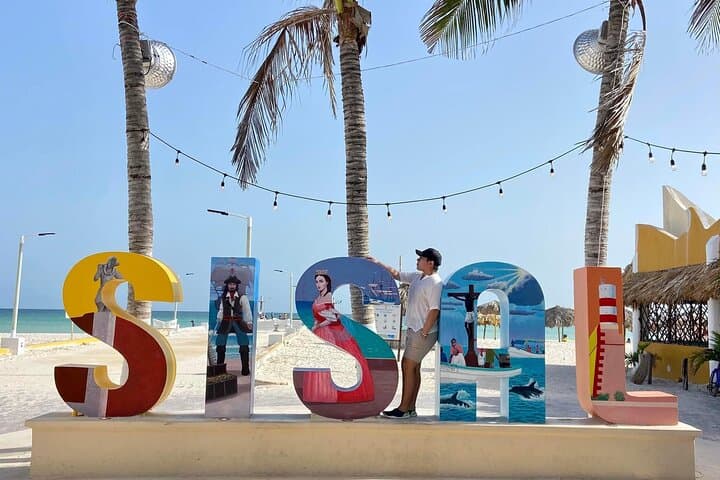
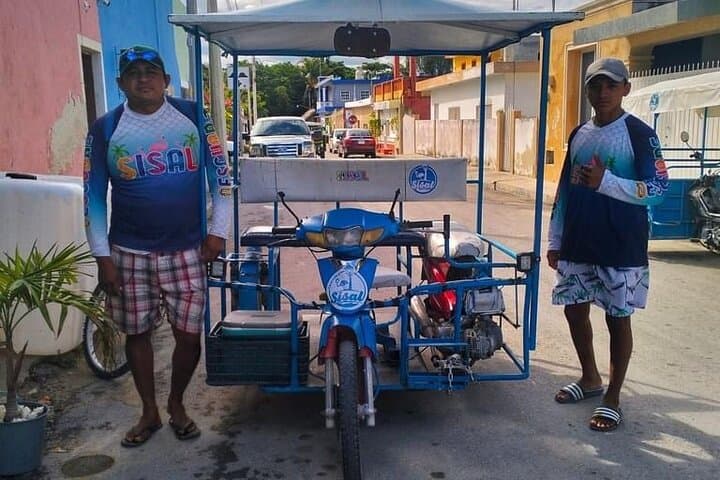
This small Yucatán port was once a 19th-century export hub for the sisal hemp that named the town; today its wooden piers and low stone buildings keep that working-port feel. Geologically the coast is limestone shelf—shallow beaches, seagrass flats and mangrove networks fed by groundwater springs. Culturally, the town is driven by fishing and small-scale oyster and seafood stalls; mototaxis thread narrow streets like colorful beetles on short errands.
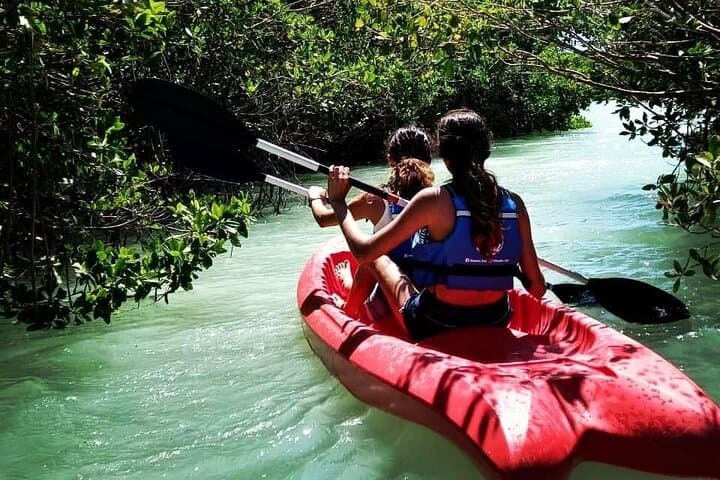
Expect a mixed day: a quick mototaxi tour of the port, a slow paddle through mangrove channels in kayaks or a chalan (small barge), and a short walk to an ojo de agua—an inland freshwater spring where you can cool off. Birds use the mangroves as a dining room; tide-carved channels funnel life through trunks and roots.
Practical guidance: go early to avoid midday heat and to see more birds; wear reef-safe sunscreen and closed water shoes for paddling and rocky shores. Life vests and kayaks are provided; basic paddling skills are helpful but not required if you choose the chalan. Bring a dry bag for phone, a refillable water bottle, and cash for local snacks. The tour is wheelchair-friendly in core areas but note uneven sand and sun exposure. Leave no trace: these mangroves are nursery habitat—avoid trampling roots and dispose of waste properly.
easy.
5 hours.
Suitable for most fitness levels; participants should be able to sit in a kayak for short periods and manage short beach walks.
Yes—listing notes stroller and wheelchair accessibility for main areas; children should be supervised in boats and at the ojo de agua.
No prior experience required; life vests are provided and chalans (small barges) are an option for less-active travelers.
Lunch (fish ceviche, fish fillet or shrimp) and bottled water are included as part of the all-inclusive package.
Yes—mangroves attract coastal birds such as frigatebirds and herons; sightings of crabs and small coastal fish are common.
Sisal grew as an export port for sisal fiber in the 19th century; that legacy shaped its docks and fishing economy.
Local mangroves are vital nurseries for fish and buffer the coast from storms—avoid disturbing roots, use reef-safe products and carry out all trash.
Yucatan EkBalam Tours operates guided outdoor trips and adventures with an emphasis on safety, stewardship, and memorable experiences.
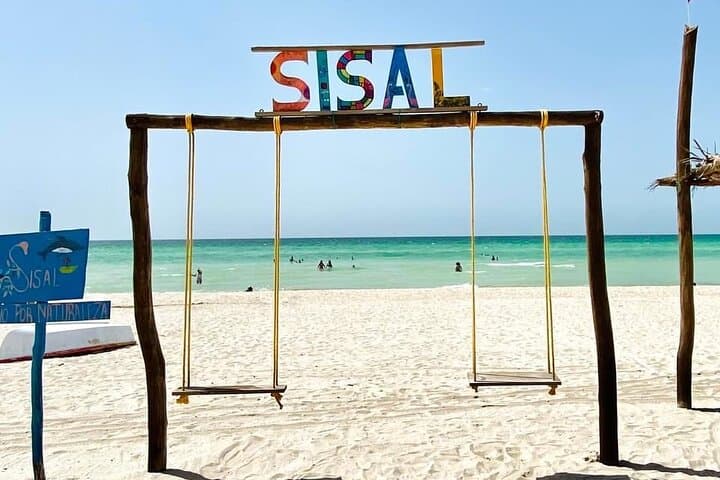
Salt wind pushes across the low, sandy spit as your group steps off the air-conditioned van and into Sisal’s quiet port—boats bob, mangroves lean like fingers into the channel, and the sea dares you to step closer.
Salt wind pushes across the low, sandy spit as your group steps off the air-conditioned van and into Sisal’s quiet port—boats bob, mangroves lean like fingers into the channel, and the sea dares you to step closer.
This small Yucatán port was once a 19th-century export hub for the sisal hemp that named the town; today its wooden piers and low stone buildings keep that working-port feel. Geologically the coast is limestone shelf—shallow beaches, seagrass flats and mangrove networks fed by groundwater springs. Culturally, the town is driven by fishing and small-scale oyster and seafood stalls; mototaxis thread narrow streets like colorful beetles on short errands.
Expect a mixed day: a quick mototaxi tour of the port, a slow paddle through mangrove channels in kayaks or a chalan (small barge), and a short walk to an ojo de agua—an inland freshwater spring where you can cool off. Birds use the mangroves as a dining room; tide-carved channels funnel life through trunks and roots.
Practical guidance: go early to avoid midday heat and to see more birds; wear reef-safe sunscreen and closed water shoes for paddling and rocky shores. Life vests and kayaks are provided; basic paddling skills are helpful but not required if you choose the chalan. Bring a dry bag for phone, a refillable water bottle, and cash for local snacks. The tour is wheelchair-friendly in core areas but note uneven sand and sun exposure. Leave no trace: these mangroves are nursery habitat—avoid trampling roots and dispose of waste properly.