THE ADVENTURE COLLECTIVE® · Independent discovery and booking for outdoor travel

A full‑day walking route through Seoul that combines royal palaces, hanok neighborhoods, Cheonggyecheon’s urban waterway and bustling markets. Ideal for first‑time visitors who want a clear, manageable introduction to the city’s history and everyday life.
A full‑day walking route through Seoul that combines royal palaces, hanok neighborhoods, Cheonggyecheon’s urban waterway and bustling markets. Ideal for first‑time visitors who want a clear, manageable introduction to the city’s history and everyday life.
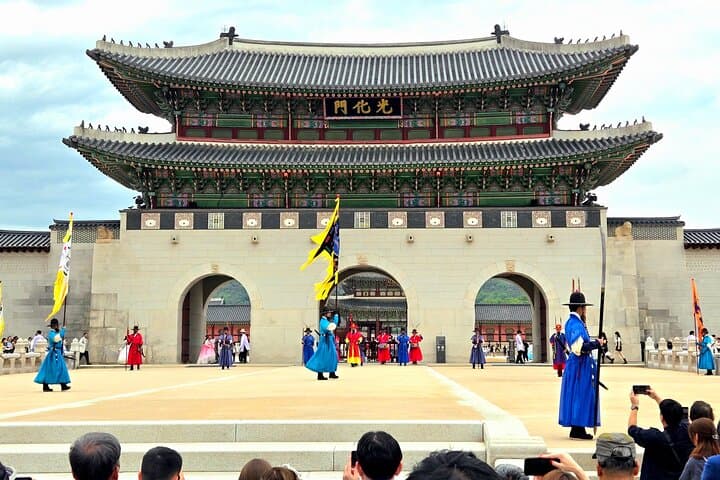
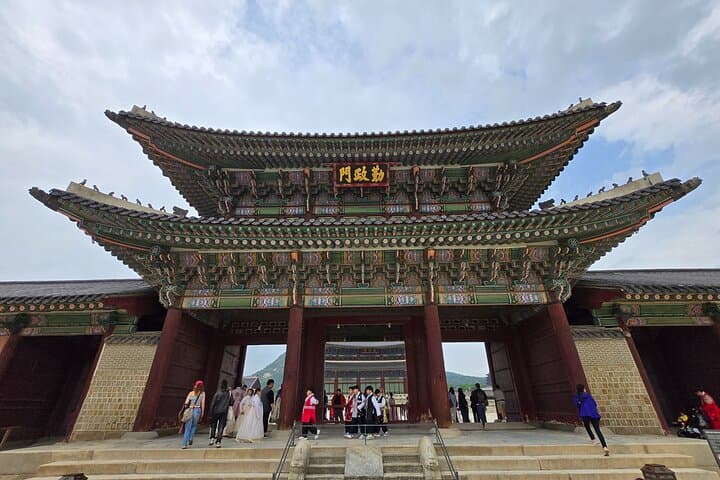
You step out from a subway exit into a city that moves with confident rhythm: the click of camera shutters, the chatter of street vendors, and a palace gate rising like a wooden page from the Joseon era.
Verified experiences and guided adventures in the surrounding area.
Operated by Kowi Tour · Seoul, Seoul
You step out from a subway exit into a city that moves with confident rhythm: the click of camera shutters, the chatter of street vendors, and a palace gate rising like a wooden page from the Joseon era.
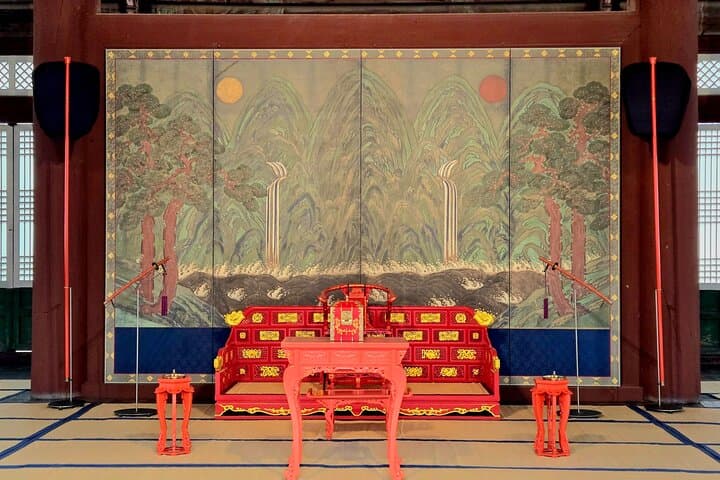
Begin at Gyeongbokgung and feel the weight of centuries in painted eaves and stone courtyards—this was the political center of Korea for generations. Walk downhill to Bukchon’s narrow alleys where hanok roofs slope against modern glass, and the city’s granite ridges and low hills frame the skyline. Follow Cheonggyecheon’s clear water as it threads through traffic and glass towers, daring the urban pace to slow.
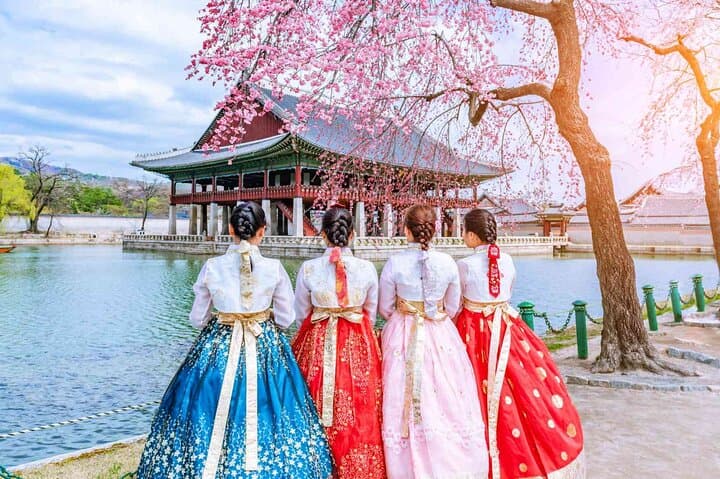
Seoul’s story is layered: Joseon palaces, Japanese‑era urban changes, rapid postwar rebuilding and a recent push to reclaim green space. Geology is subtle but present—ancient granite outcrops, the Han River’s broad channel, and Bugaksan’s slopes anchoring the north. Culture shows itself in markets like Gwangjang, in hanbok rental stalls, and in contemporary DIY art at small theaters.
Practical guidance: plan 8–9 hours with comfortable shoes—the route is mostly paved but includes cobbled alleys and palace steps. Start early to catch the palace gate ceremony and avoid midday crowds at markets. Public transit is efficient; bring cash for street food and a phone with offline maps. Respect private hanok spaces, follow posted rules at museums, and hydrate—summer humidity builds quickly. With a measured pace you’ll leave with history in your stride and a clear sense of Seoul’s layered urban pulse.
easy.
8–9 hours.
Suitable for most fitness levels; expect a day of walking on paved surfaces with some stairs.
The suggested itinerary runs about 8–9 hours including stops for museums, markets and lunch, but you can shorten it by skipping one or two sites.
This tour typically includes a lunch stop or recommends a market meal, but confirm inclusion when booking; street food is widely available if not included.
Yes—many hanbok rental shops operate near the palaces; rental fees vary and may be an add‑on not included in base pricing.
Yes; the route is mostly flat and paved, though palace steps and some alleys may require extra care—plan rest stops and use public transit if needed.
Gyeongbokgung Palace was built in 1395 and served as the main royal seat during the Joseon Dynasty; modern Seoul grew rapidly after the Korean War, layering new urban planning over older neighborhoods.
Cheonggyecheon’s restoration is a major urban ecology project emphasizing water quality and public green space; visitors are encouraged to minimize litter and follow site guidelines to protect fragile hanok districts.
Kowi Tour operates guided outdoor trips and adventures with an emphasis on safety, stewardship, and memorable experiences.
You step out from a subway exit into a city that moves with confident rhythm: the click of camera shutters, the chatter of street vendors, and a palace gate rising like a wooden page from the Joseon era.
You step out from a subway exit into a city that moves with confident rhythm: the click of camera shutters, the chatter of street vendors, and a palace gate rising like a wooden page from the Joseon era.
Begin at Gyeongbokgung and feel the weight of centuries in painted eaves and stone courtyards—this was the political center of Korea for generations. Walk downhill to Bukchon’s narrow alleys where hanok roofs slope against modern glass, and the city’s granite ridges and low hills frame the skyline. Follow Cheonggyecheon’s clear water as it threads through traffic and glass towers, daring the urban pace to slow.
Seoul’s story is layered: Joseon palaces, Japanese‑era urban changes, rapid postwar rebuilding and a recent push to reclaim green space. Geology is subtle but present—ancient granite outcrops, the Han River’s broad channel, and Bugaksan’s slopes anchoring the north. Culture shows itself in markets like Gwangjang, in hanbok rental stalls, and in contemporary DIY art at small theaters.
Practical guidance: plan 8–9 hours with comfortable shoes—the route is mostly paved but includes cobbled alleys and palace steps. Start early to catch the palace gate ceremony and avoid midday crowds at markets. Public transit is efficient; bring cash for street food and a phone with offline maps. Respect private hanok spaces, follow posted rules at museums, and hydrate—summer humidity builds quickly. With a measured pace you’ll leave with history in your stride and a clear sense of Seoul’s layered urban pulse.