THE ADVENTURE COLLECTIVE® · Independent discovery and booking for outdoor travel

Try a PADI Discover Scuba Dive off Great Keppel Island: a three‑hour intro that pairs a brief theory session with a 30–45 minute guided reef dive. Ideal for first‑time divers who want a protected, small‑group experience on the southern Great Barrier Reef.
Try a PADI Discover Scuba Dive off Great Keppel Island: a three‑hour intro that pairs a brief theory session with a 30–45 minute guided reef dive. Ideal for first‑time divers who want a protected, small‑group experience on the southern Great Barrier Reef.
You step off the 30‑minute ferry and the island’s salt-scented wind meets you—blue dive hut to your left, instructors stacking fins and tanks like quiet sentries. The sea ahead is glass and motion: reefs rimmed in white sand, fish darting in fractured sunlight. For three hours you move through that doorway—brief theory on the sand, gear familiarisation, then a 30–45 minute guided scuba that brings the reef to eye level.
Verified experiences and guided adventures in the surrounding area.
Operated by Keppel Dive & Water Sports · Great Keppel Island, Queensland
You step off the 30‑minute ferry and the island’s salt-scented wind meets you—blue dive hut to your left, instructors stacking fins and tanks like quiet sentries. The sea ahead is glass and motion: reefs rimmed in white sand, fish darting in fractured sunlight. For three hours you move through that doorway—brief theory on the sand, gear familiarisation, then a 30–45 minute guided scuba that brings the reef to eye level.
Great Keppel Island sits on Woppaburra country and fringes the southern reaches of the Great Barrier Reef. The island’s low granite outcrops and sand spits give way to fringing coral gardens—stony corals, bommies, and seagrass beds carved over millennia by tides and currents. The marine park status keeps much of this area regulated, and local operators work under those rules to protect coral and wildlife.
Practically, expect a small-group experience (up to eight), mandatory briefings, and hands‑on skill practice in shallow water before the open dive. Visibility varies with weather and swell; morning departures usually offer the calmest surface conditions. You don’t need certification—the PADI Discover Scuba format teaches the basics—however you must be in moderate physical health (not recommended for pregnant travelers or those with significant heart conditions).
Bring reef‑safe sunscreen, a swim top or wetsuit for sun and chill, and a waterproof camera if you want photos (ask instructor about handling). Equalise early and often; let the instructor set your descent pace. Book ahead during peak season and arrive at Rosslyn Bay with time to spare—the reef is steady but the ocean always keeps you paying attention.
moderate.
3 hours.
Should be in moderate physical condition—able to swim and handle basic exertion; expect some surface swimming and short boat transfers.
No—PADI Discover Scuba is an introductory program that includes a short theory session and in‑water skills; certification is not required.
Introductory dives are usually kept shallow—often between 5–12 metres—to maximize comfort and visibility for new divers.
Age requirements vary by operator, but Discover Scuba programs typically accept participants from around 10–12 years old with parental consent; check the booking terms.
Take preventive measures before boarding (ginger, seasickness tablets) and sit in the middle of the boat where motion is least; inform staff so they can assist if needed.
Great Keppel Island is part of Woppaburra country; European use later included grazing and small settlements before tourism developed in the 20th century.
The area is inside the Great Barrier Reef Marine Park—follow operator guidance, avoid touching coral, and use reef‑safe products to minimize impact.
Keppel Dive & Water Sports operates guided outdoor trips and adventures with an emphasis on safety, stewardship, and memorable experiences.
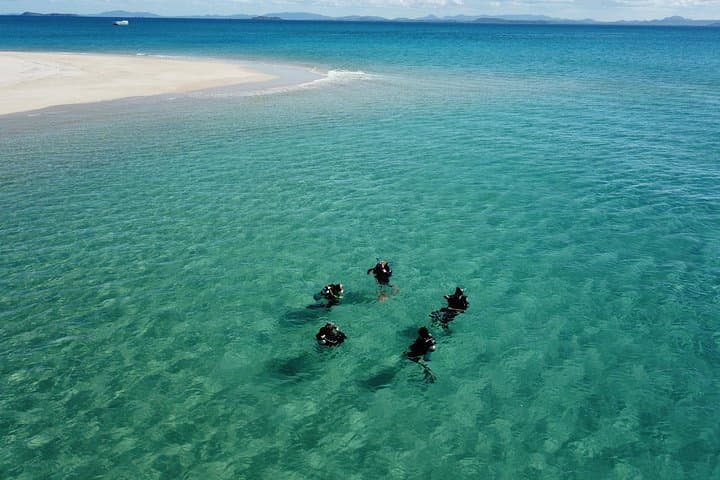
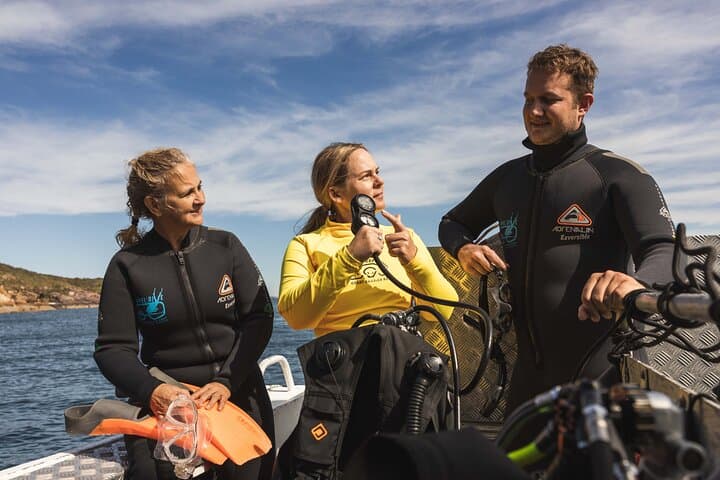
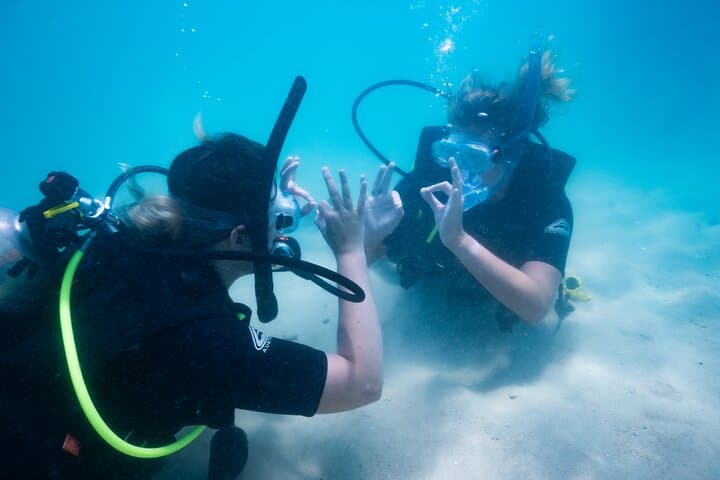
You step off the 30‑minute ferry and the island’s salt-scented wind meets you—blue dive hut to your left, instructors stacking fins and tanks like quiet sentries. The sea ahead is glass and motion: reefs rimmed in white sand, fish darting in fractured sunlight. For three hours you move through that doorway—brief theory on the sand, gear familiarisation, then a 30–45 minute guided scuba that brings the reef to eye level.
You step off the 30‑minute ferry and the island’s salt-scented wind meets you—blue dive hut to your left, instructors stacking fins and tanks like quiet sentries. The sea ahead is glass and motion: reefs rimmed in white sand, fish darting in fractured sunlight. For three hours you move through that doorway—brief theory on the sand, gear familiarisation, then a 30–45 minute guided scuba that brings the reef to eye level.
Great Keppel Island sits on Woppaburra country and fringes the southern reaches of the Great Barrier Reef. The island’s low granite outcrops and sand spits give way to fringing coral gardens—stony corals, bommies, and seagrass beds carved over millennia by tides and currents. The marine park status keeps much of this area regulated, and local operators work under those rules to protect coral and wildlife.
Practically, expect a small-group experience (up to eight), mandatory briefings, and hands‑on skill practice in shallow water before the open dive. Visibility varies with weather and swell; morning departures usually offer the calmest surface conditions. You don’t need certification—the PADI Discover Scuba format teaches the basics—however you must be in moderate physical health (not recommended for pregnant travelers or those with significant heart conditions).
Bring reef‑safe sunscreen, a swim top or wetsuit for sun and chill, and a waterproof camera if you want photos (ask instructor about handling). Equalise early and often; let the instructor set your descent pace. Book ahead during peak season and arrive at Rosslyn Bay with time to spare—the reef is steady but the ocean always keeps you paying attention.