THE ADVENTURE COLLECTIVE® · Independent discovery and booking for outdoor travel

Float weightless over Adriatic reefs off Krk Island with a beginner-friendly discover-scuba session or extend to a three-day certification. Expect shallow reef dives, clear water, and hands-on instructor guidance.
Float weightless over Adriatic reefs off Krk Island with a beginner-friendly discover-scuba session or extend to a three-day certification. Expect shallow reef dives, clear water, and hands-on instructor guidance.
The water takes the first breath of the story: clear Adriatic blue, a pebble shoreline, and the low hum of a marina as participants prepare to breathe underwater for the first time.
Verified experiences and guided adventures in the surrounding area.
Operated by I.R.T.D.A. d.o.o. · Krk, Primorje-Gorski Kotar County
The water takes the first breath of the story: clear Adriatic blue, a pebble shoreline, and the low hum of a marina as participants prepare to breathe underwater for the first time.
On Krk Island, an introductory scuba session can feel immediate—classroom briefing in the open air, a slow entry, then the initial weightless glide alongside a shallow reef. That sensation sits on layers of history: Roman quays and medieval fishing villages that shaped local seafaring culture, and limestone karst forming grottoes and underwater ledges that concentrate marine life.
Geology here—dolomite and karst—creates steep drop-offs and caves close to shore, so even short dives reveal sculpted walls and pockets where octopus and groupers hide. The island’s coastal towns still live by the sea; local operators lean on decades of small-boat knowledge and an Adriatic etiquette that prizes careful anchoring and minimal disruption.
Practically, expect a thorough surface briefing, skill drills in shallow water, and a guided bottom time. Operators commonly offer a 3-hour discover-dive for first-timers; the same provider may also run a full beginner certification over three days (≈8 hours/day) if you want formal credentials. Water temperature varies seasonally—thin wetsuits in summer, thicker in spring/fall. Bring a certified mask or ask to try rental gear for fit, listen closely when instructors teach ear equalization, and be honest about any medical conditions. For new divers the key is calm breathing, controlled ascent, and respect for marine life—your best guide to a safe, memorable first dive on Krk.
moderate.
3 hours (intro) — full beginner course: 3 days.
Comfortable swimming ability and basic fitness for handling gear and entries; not endurance-intensive
No—intro sessions are designed for beginners; you'll learn basic skills in shallow water under instructor supervision.
No—diving is not recommended for pregnant people; operators will decline participants who disclose pregnancy.
The discover-dive is an experience only; full certification requires a multi-day course meeting agency standards, which some providers offer as an upgrade.
Age limits vary by operator; many allow children 10–12 years old for introductory shallow dives with parental consent and trained staff.
Krk has been inhabited since antiquity; Roman and medieval maritime activity shaped its harbors and fishing traditions still evident in local villages.
Operators typically follow local regulations—avoid touching or collecting marine life, use reef-safe sunscreen, and support businesses that use mooring buoys to protect seagrass meadows.
I.R.T.D.A. d.o.o. operates guided outdoor trips and adventures with an emphasis on safety, stewardship, and memorable experiences.
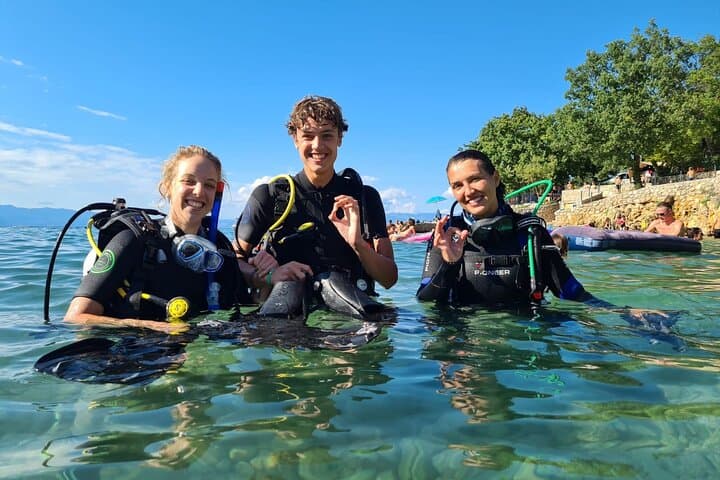
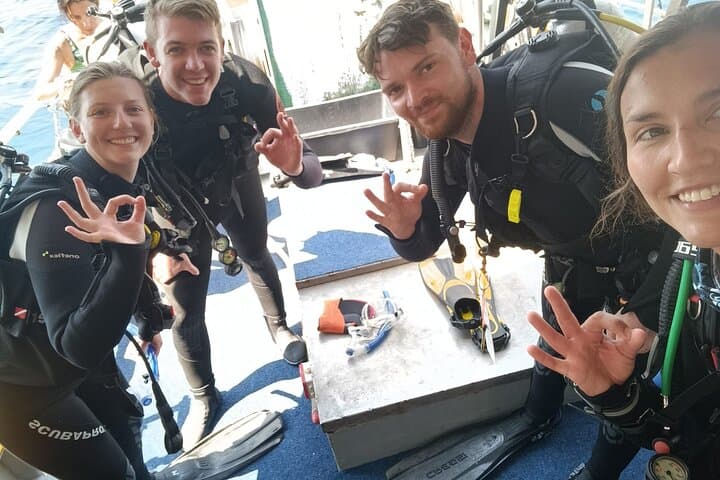
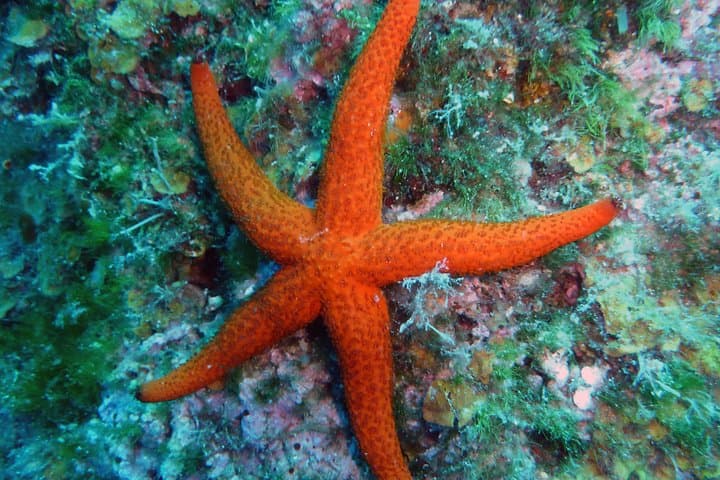
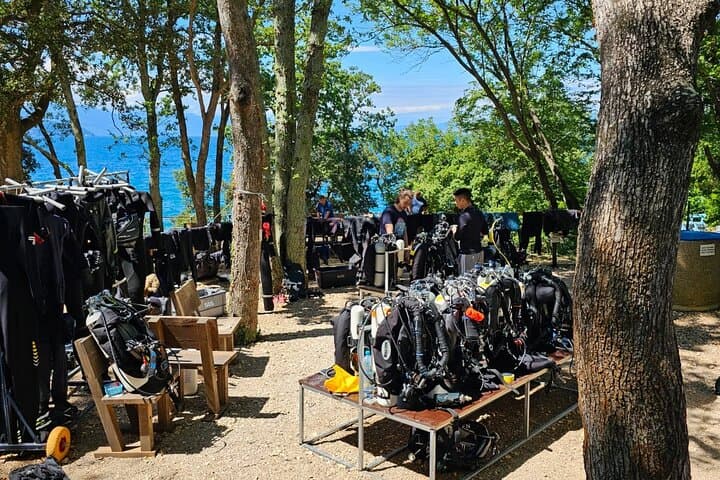
The water takes the first breath of the story: clear Adriatic blue, a pebble shoreline, and the low hum of a marina as participants prepare to breathe underwater for the first time.
The water takes the first breath of the story: clear Adriatic blue, a pebble shoreline, and the low hum of a marina as participants prepare to breathe underwater for the first time.
On Krk Island, an introductory scuba session can feel immediate—classroom briefing in the open air, a slow entry, then the initial weightless glide alongside a shallow reef. That sensation sits on layers of history: Roman quays and medieval fishing villages that shaped local seafaring culture, and limestone karst forming grottoes and underwater ledges that concentrate marine life.
Geology here—dolomite and karst—creates steep drop-offs and caves close to shore, so even short dives reveal sculpted walls and pockets where octopus and groupers hide. The island’s coastal towns still live by the sea; local operators lean on decades of small-boat knowledge and an Adriatic etiquette that prizes careful anchoring and minimal disruption.
Practically, expect a thorough surface briefing, skill drills in shallow water, and a guided bottom time. Operators commonly offer a 3-hour discover-dive for first-timers; the same provider may also run a full beginner certification over three days (≈8 hours/day) if you want formal credentials. Water temperature varies seasonally—thin wetsuits in summer, thicker in spring/fall. Bring a certified mask or ask to try rental gear for fit, listen closely when instructors teach ear equalization, and be honest about any medical conditions. For new divers the key is calm breathing, controlled ascent, and respect for marine life—your best guide to a safe, memorable first dive on Krk.