THE ADVENTURE COLLECTIVE® · Independent discovery and booking for outdoor travel

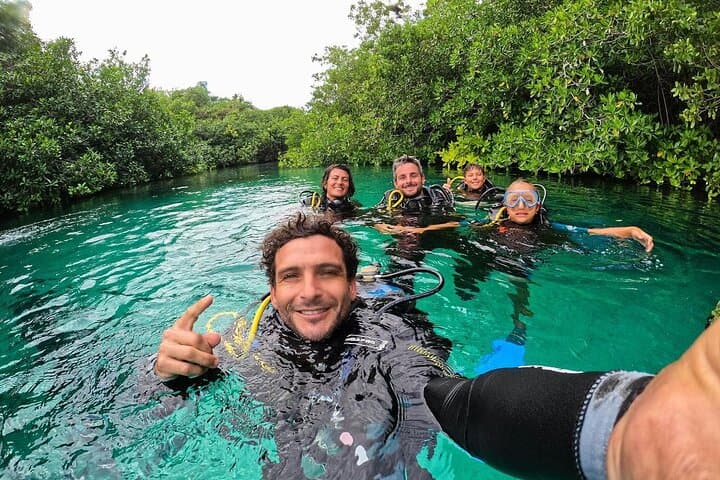
Explore Tulum’s cenotes on a beginner-friendly Discover Scuba dive: a short lesson, practice in shallow water, then a 30–40 minute guided dive through clear cavern chambers. Expect warm, clear water, limestone formations, and an instructor-by-your-side introduction to breathing underwater.
Explore Tulum’s cenotes on a beginner-friendly Discover Scuba dive: a short lesson, practice in shallow water, then a 30–40 minute guided dive through clear cavern chambers. Expect warm, clear water, limestone formations, and an instructor-by-your-side introduction to breathing underwater.
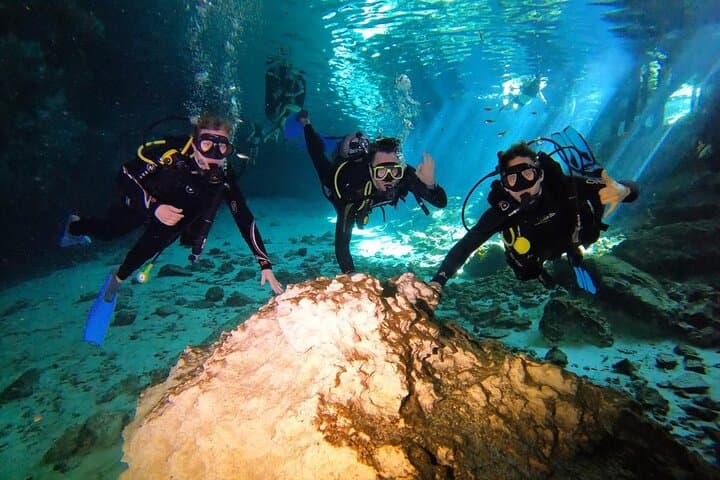
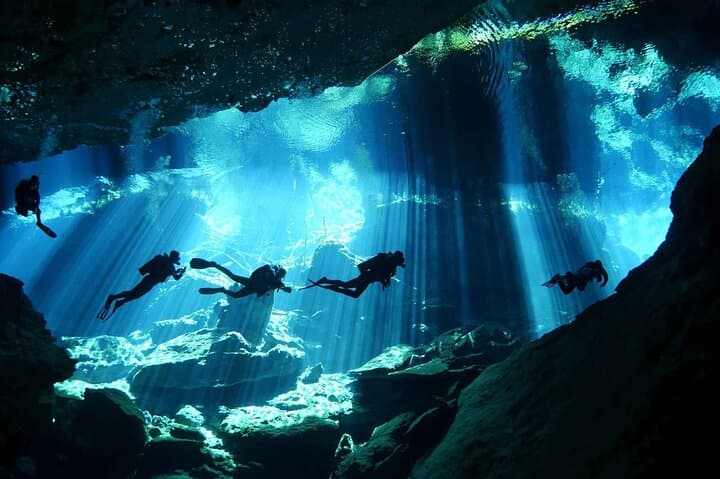
You stand at the limestone rim, warm air washing over you, and a bowl of glassy water drops away into shadow—the cenote dares you to breathe slowly and look down. In Tulum, these sinkholes are blue-green windows into an underground river system. Light shafts pick out rock formations; the water is clear enough to read the contours of stalactites and the slow drift of freshwater fish.
Verified experiences and guided adventures in the surrounding area.
Operated by Next Experience Travel · Tulum, Quintana Roo
You stand at the limestone rim, warm air washing over you, and a bowl of glassy water drops away into shadow—the cenote dares you to breathe slowly and look down. In Tulum, these sinkholes are blue-green windows into an underground river system. Light shafts pick out rock formations; the water is clear enough to read the contours of stalactites and the slow drift of freshwater fish.
Cenotes are the result of millennia of karst collapse in the Yucatán’s porous limestone, and they were central to Maya life—sources of water and ceremonial places. Geologically, you’re diving into a connected aquifer carved by rain and time; culturally, you’re entering spaces that carried meaning long before tourism.
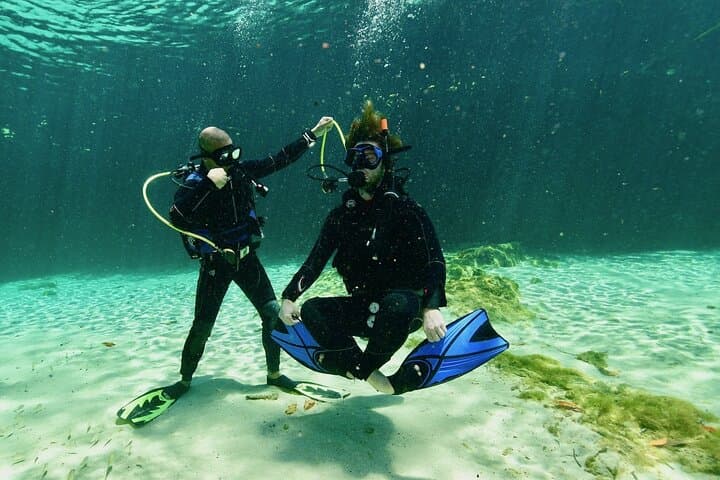
On a Discover Scuba session you’ll start with a short classroom orientation and a shallow-water skills practice, then follow your instructor into a 30–40 minute guided dive through a cenote’s open chamber and near caverns. Expect water in the mid-70s–80s°F (24–27°C), excellent visibility in dry months, and sensitive ecosystems—no lotions or unapproved sunscreens.
Logistics are straightforward: transportation from a meeting point, all gear provided, and an instructor in the water with you. This half-day experience suits beginners with basic swimming comfort; it’s not recommended for pregnant guests or people with serious cardiac or spinal conditions. Bring a reusable water bottle, biodegradable sunscreen, sturdy sandals, and a sense of patience—the best dives are calm, slow, and observant.
Plan morning starts to avoid crowds, listen closely to equalization coaching, and treat the cenote like a shared, fragile cavern—move smoothly and leave only bubbles.
moderate.
4–5 hours.
Able to swim, comfortable in open water, and capable of kneeling and moving in shallow entry zones; light to moderate stamina required.
No—Discover Scuba is an introductory program designed for non-certified divers; you’ll be accompanied by a certified instructor at all times.
Introductory cenote dives typically stay in the 5–18 meter range depending on the site and visibility; instructors control depth to match your comfort level.
Bring a swimsuit, biodegradable sunscreen, towel, light layers for post-dive, identification, and any personal motion-sickness medication if needed.
Minimum age varies by operator (often around 10 years); not recommended for pregnant guests or those with significant heart or spinal conditions—check operator medical questions before booking.
Cenotes supplied water to Maya settlements and were often sites of offerings and ritual activity; many near Tulum were key community water sources.
Operators restrict lotions and require rinses; follow park rules, use reef-safe products, and avoid touching formations to protect water quality and delicate rock structures.
Next Experience Travel operates guided outdoor trips and adventures with an emphasis on safety, stewardship, and memorable experiences.
You stand at the limestone rim, warm air washing over you, and a bowl of glassy water drops away into shadow—the cenote dares you to breathe slowly and look down. In Tulum, these sinkholes are blue-green windows into an underground river system. Light shafts pick out rock formations; the water is clear enough to read the contours of stalactites and the slow drift of freshwater fish.
You stand at the limestone rim, warm air washing over you, and a bowl of glassy water drops away into shadow—the cenote dares you to breathe slowly and look down. In Tulum, these sinkholes are blue-green windows into an underground river system. Light shafts pick out rock formations; the water is clear enough to read the contours of stalactites and the slow drift of freshwater fish.
Cenotes are the result of millennia of karst collapse in the Yucatán’s porous limestone, and they were central to Maya life—sources of water and ceremonial places. Geologically, you’re diving into a connected aquifer carved by rain and time; culturally, you’re entering spaces that carried meaning long before tourism.
On a Discover Scuba session you’ll start with a short classroom orientation and a shallow-water skills practice, then follow your instructor into a 30–40 minute guided dive through a cenote’s open chamber and near caverns. Expect water in the mid-70s–80s°F (24–27°C), excellent visibility in dry months, and sensitive ecosystems—no lotions or unapproved sunscreens.
Logistics are straightforward: transportation from a meeting point, all gear provided, and an instructor in the water with you. This half-day experience suits beginners with basic swimming comfort; it’s not recommended for pregnant guests or people with serious cardiac or spinal conditions. Bring a reusable water bottle, biodegradable sunscreen, sturdy sandals, and a sense of patience—the best dives are calm, slow, and observant.
Plan morning starts to avoid crowds, listen closely to equalization coaching, and treat the cenote like a shared, fragile cavern—move smoothly and leave only bubbles.