THE ADVENTURE COLLECTIVE® · Independent discovery and booking for outdoor travel

Breathe underwater for the first time in one of Tulum’s crystal cenotes. This beginner Scuba course pairs a short shore class with a guided 30–40 minute dive among dramatic limestone chambers.
Breathe underwater for the first time in one of Tulum’s crystal cenotes. This beginner Scuba course pairs a short shore class with a guided 30–40 minute dive among dramatic limestone chambers.
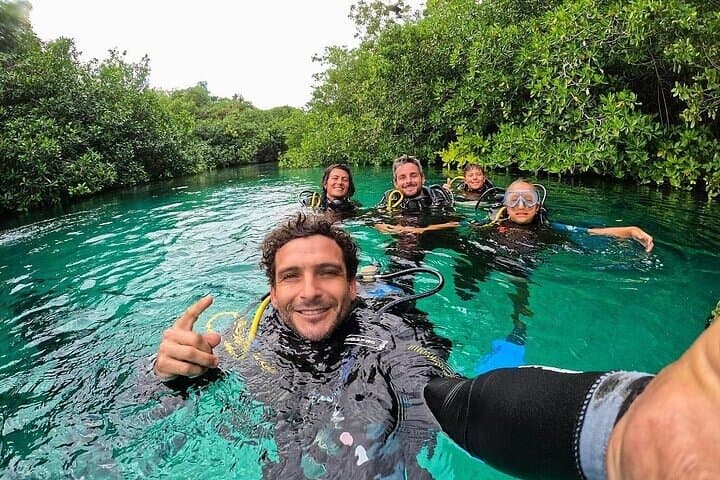
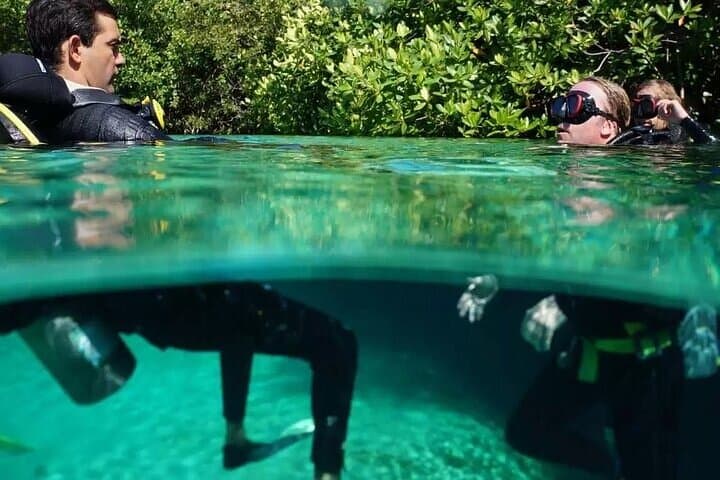
The water in a Tulum cenote is a clarifying mirror that suddenly becomes a doorway: you step in, breathe through a regulator, and the cavern exhales cool blue light around you.
Verified experiences and guided adventures in the surrounding area.
Operated by Costa Maya Shore Excursions · Tulum, Quintana Roo
The water in a Tulum cenote is a clarifying mirror that suddenly becomes a doorway: you step in, breathe through a regulator, and the cavern exhales cool blue light around you.
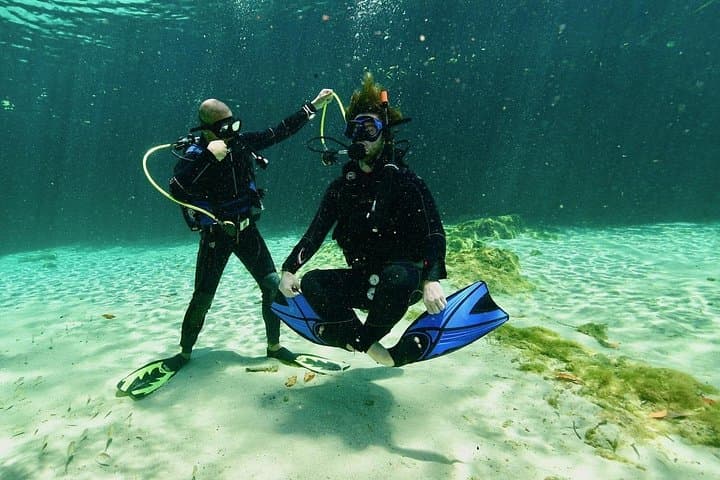
This half‑day Discover Scuba course starts with a concise classroom session and a shallow practice in calm water, then guides you into a cenote — a freshwater sinkhole carved from Yucatán’s limestone. Cenotes are collapsed caverns formed by karst geology over millennia; the Maya revered them as portals to the underworld and freshwater sources, and their sheer walls and stalactites still show those slow faces of rock.
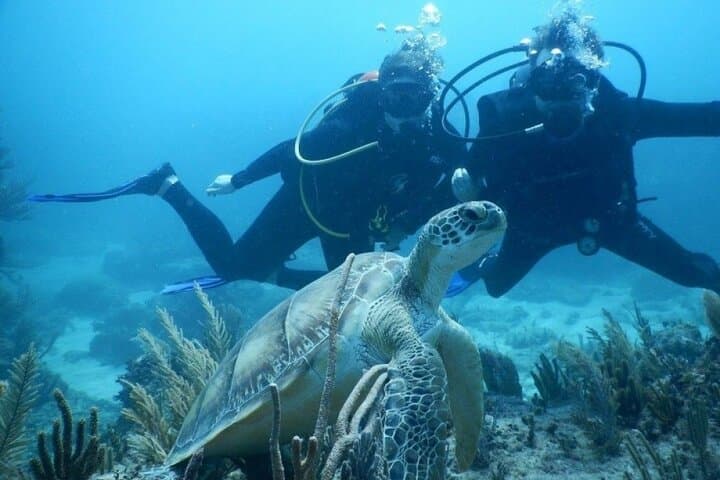
Expect razor‑clear visibility, layered thermoclines, and rock formations that catch beams of sunlight in cathedral‑like shafts. Small freshwater fish and blind cave species hover near ledges; above, bats and birds use the open holes as transit. The experience is equal parts geology lesson and silent promenade — the water seems intent on revealing its shapes.
Practically: the outing runs about five hours, with about 30–40 minutes per guided dive and a small class beforehand. Instructors supply tanks, regulators, masks and lights; park entrance and roundtrip transport from the meeting point are included. Bring a swimsuit, reef‑safe sunscreen, towel and a light long sleeve for the ride back.
Safety notes: this program is for first‑time divers in good health (not recommended for pregnant travelers or those with serious heart or spinal conditions). Weather rarely cancels cenote dives, but water clarity can dip after heavy rain. Arrive hydrated, listen to briefings, and let your instructor set the pace — the cenote will wait for you to relax into it.
easy.
5 hours.
Suitable for people in average physical condition who can swim and follow breathing instruction; no prior certification required.
No — this is an introductory Discover Scuba program designed for first‑time divers under direct instructor supervision.
Minimum ages vary by operator, but many beginner cenote dives allow divers aged 10–12 and up with parental consent; confirm at booking.
Intro dives typically stay in shallow to moderate depths — often between 3–12 meters (10–40 feet) — depending on the cenote and instructor plan.
Cenote dives are usually sheltered and calm; however, if you get seasick, avoid additional open‑water ocean options the same day and consult your guide.
Cenotes were central to Maya life and ritual; many in the Tulum region supplied potable water and appear in pre‑Columbian records.
Operators generally require biodegradable sunscreen and limit gear contact with formations; follow park rules to protect delicate karst and aquatic habitats.
Costa Maya Shore Excursions operates guided outdoor trips and adventures with an emphasis on safety, stewardship, and memorable experiences.
The water in a Tulum cenote is a clarifying mirror that suddenly becomes a doorway: you step in, breathe through a regulator, and the cavern exhales cool blue light around you.
The water in a Tulum cenote is a clarifying mirror that suddenly becomes a doorway: you step in, breathe through a regulator, and the cavern exhales cool blue light around you.
This half‑day Discover Scuba course starts with a concise classroom session and a shallow practice in calm water, then guides you into a cenote — a freshwater sinkhole carved from Yucatán’s limestone. Cenotes are collapsed caverns formed by karst geology over millennia; the Maya revered them as portals to the underworld and freshwater sources, and their sheer walls and stalactites still show those slow faces of rock.
Expect razor‑clear visibility, layered thermoclines, and rock formations that catch beams of sunlight in cathedral‑like shafts. Small freshwater fish and blind cave species hover near ledges; above, bats and birds use the open holes as transit. The experience is equal parts geology lesson and silent promenade — the water seems intent on revealing its shapes.
Practically: the outing runs about five hours, with about 30–40 minutes per guided dive and a small class beforehand. Instructors supply tanks, regulators, masks and lights; park entrance and roundtrip transport from the meeting point are included. Bring a swimsuit, reef‑safe sunscreen, towel and a light long sleeve for the ride back.
Safety notes: this program is for first‑time divers in good health (not recommended for pregnant travelers or those with serious heart or spinal conditions). Weather rarely cancels cenote dives, but water clarity can dip after heavy rain. Arrive hydrated, listen to briefings, and let your instructor set the pace — the cenote will wait for you to relax into it.