THE ADVENTURE COLLECTIVE® · Independent discovery and booking for outdoor travel

Introductory scuba dives at Tulamben’s famed USAT Liberty offer sheltered, warm-water conditions and easy navigation around a shallow wreck. Ideal for first-time divers seeking dramatic coral, schooling fish, and a friendly local dive scene.
Introductory scuba dives at Tulamben’s famed USAT Liberty offer sheltered, warm-water conditions and easy navigation around a shallow wreck. Ideal for first-time divers seeking dramatic coral, schooling fish, and a friendly local dive scene.
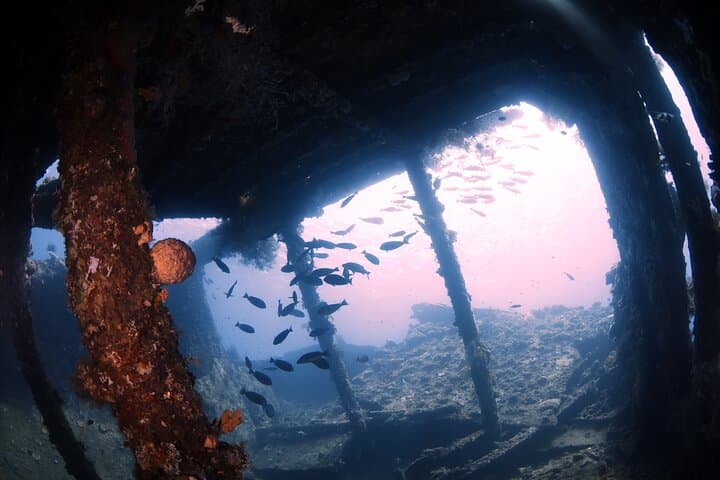
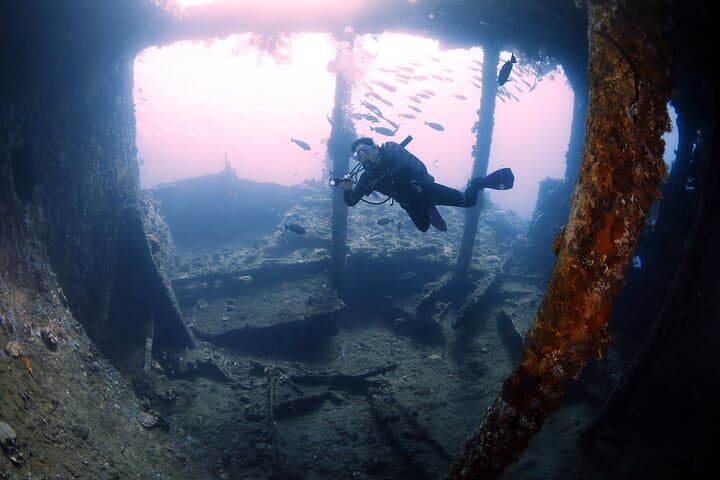
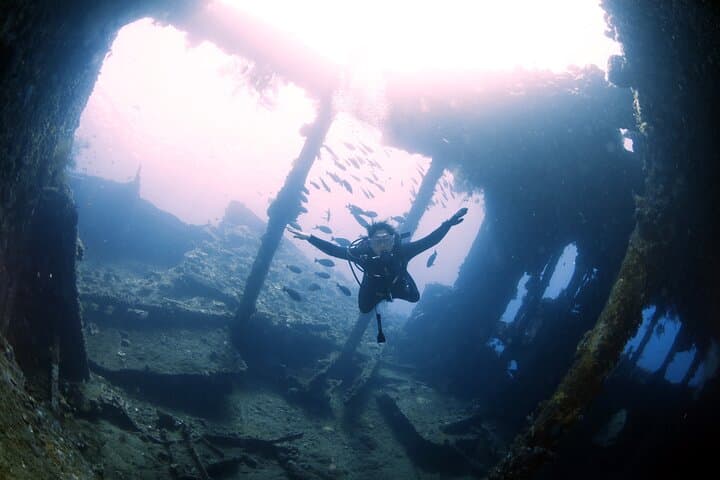
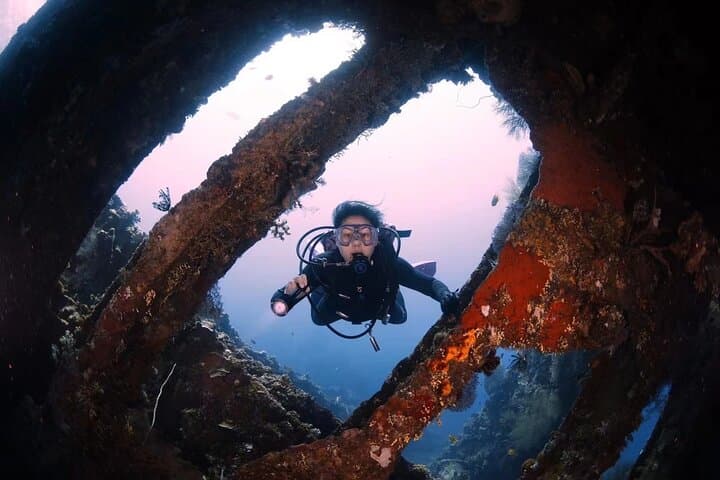
A morning drive along Bali’s northeastern coast gives way to a black-sand shore and the familiar silhouette of an iron hull half-buried in coral — the USAT Liberty. You slip on fins, the sun warming the reef, and the sea seems to breathe around you as the boat unloads its quiet passengers and the guide runs through the day’s plan.
Verified experiences and guided adventures in the surrounding area.
Operated by Neptune Scuba Diving · Tulamben, Bali
A morning drive along Bali’s northeastern coast gives way to a black-sand shore and the familiar silhouette of an iron hull half-buried in coral — the USAT Liberty. You slip on fins, the sun warming the reef, and the sea seems to breathe around you as the boat unloads its quiet passengers and the guide runs through the day’s plan.
Tulamben’s wreck is a living relic of World War II; the Liberty was torpedoed in 1942 and later moved ashore then back into shallow water, where volcanic currents and coral growth have reshaped it into a dive playground. Geology here is active: volcanic slopes feed black sand beaches and rich nutrient flows that attract schools of fish and the occasional bumphead parrotfish that like to test your attention.
Local fishing villages still lean on the reef for livelihood, and dive operators balance tourism with community ties — expect a friendly briefing and strong practical focus on safety. Culture onshore is low-key; small warungs serve kerupuk and fresh grilled fish after dives.
Practically, this is an introductory open-water experience: a short theory session, pool skills, then one to three guided ocean dives on gentle slopes and shallow sections of the Liberty and nearby reefs. Water temperature hovers near 29°C year-round; currents are usually mild, making it ideal for first-time divers.
Prepare with a light breakfast, reef-safe sunscreen, and basic swim comfort; photographers will find dramatic close-ups in shallow wreck sections. Follow your guide, watch your depth and air, and let the wreck’s slow history and reef life pull you forward — the ocean here invites steady, curious exploration.
moderate.
7 hours.
Suitable for most people in reasonable health; basic swimming comfort recommended (minimum age 10).
No — this is a Discover Scuba Diving program designed for non-certified participants with pool training and guided ocean dives.
Minimum age is 10 years old; participants must be in good health and disclose weight and height for equipment setup.
Water temperatures are around 28–30°C year-round; a 3mm shorty or rashguard is usually sufficient, but operators provide wetsuits if needed.
Expect schooling reef fish, anemones, nudibranchs, and occasionally larger visitors like bumphead parrotfish around the wreck and coral gardens.
The USAT Liberty was torpedoed in 1942 and later moved ashore; subsequent volcanic activity shifted it back into shallow water where coral colonized the hull.
Local operators promote reef-safe practices and limit anchoring; use of reef-safe sunscreen and not touching corals helps protect the recovering reef.
Neptune Scuba Diving operates guided outdoor trips and adventures with an emphasis on safety, stewardship, and memorable experiences.
A morning drive along Bali’s northeastern coast gives way to a black-sand shore and the familiar silhouette of an iron hull half-buried in coral — the USAT Liberty. You slip on fins, the sun warming the reef, and the sea seems to breathe around you as the boat unloads its quiet passengers and the guide runs through the day’s plan.
A morning drive along Bali’s northeastern coast gives way to a black-sand shore and the familiar silhouette of an iron hull half-buried in coral — the USAT Liberty. You slip on fins, the sun warming the reef, and the sea seems to breathe around you as the boat unloads its quiet passengers and the guide runs through the day’s plan.
Tulamben’s wreck is a living relic of World War II; the Liberty was torpedoed in 1942 and later moved ashore then back into shallow water, where volcanic currents and coral growth have reshaped it into a dive playground. Geology here is active: volcanic slopes feed black sand beaches and rich nutrient flows that attract schools of fish and the occasional bumphead parrotfish that like to test your attention.
Local fishing villages still lean on the reef for livelihood, and dive operators balance tourism with community ties — expect a friendly briefing and strong practical focus on safety. Culture onshore is low-key; small warungs serve kerupuk and fresh grilled fish after dives.
Practically, this is an introductory open-water experience: a short theory session, pool skills, then one to three guided ocean dives on gentle slopes and shallow sections of the Liberty and nearby reefs. Water temperature hovers near 29°C year-round; currents are usually mild, making it ideal for first-time divers.
Prepare with a light breakfast, reef-safe sunscreen, and basic swim comfort; photographers will find dramatic close-ups in shallow wreck sections. Follow your guide, watch your depth and air, and let the wreck’s slow history and reef life pull you forward — the ocean here invites steady, curious exploration.