THE ADVENTURE COLLECTIVE® · Independent discovery and booking for outdoor travel

Get your first taste of Caribbean scuba with a classroom session, confined-water practice and a guided 12‑meter boat dive. Ideal for beginners, this four-hour program pairs safety-first instruction with reef and wreck sights off Punta Cana.
Get your first taste of Caribbean scuba with a classroom session, confined-water practice and a guided 12‑meter boat dive. Ideal for beginners, this four-hour program pairs safety-first instruction with reef and wreck sights off Punta Cana.
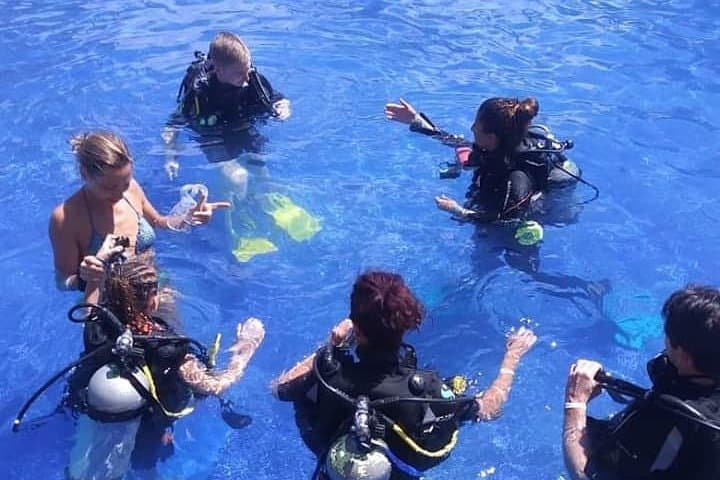
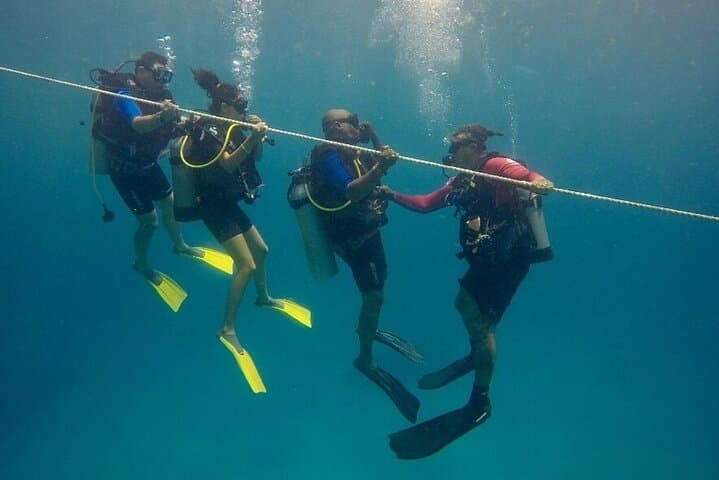
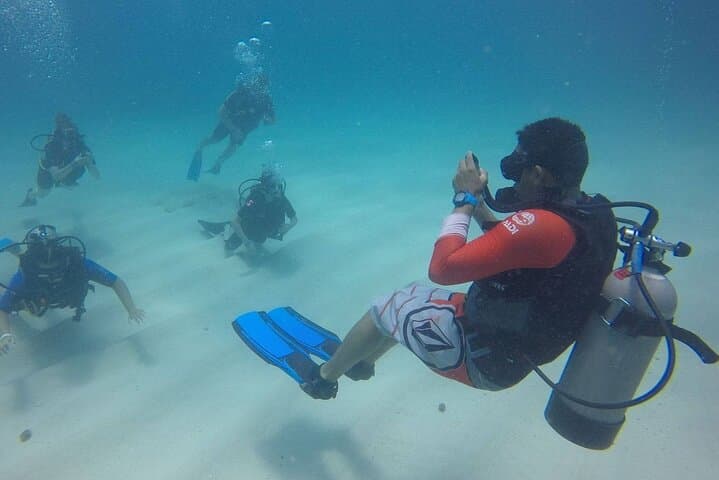
The boat slips from a sandy cove and the Caribbean pulls you forward, cool and insistent, as instructors run a short briefing on the foredeck. Close enough to shore to still see the line of palms, you step through a pool refresher—breathing through a regulator, equalizing ears—before boarding for a guided dive to 12 meters where reef and wreck hold court.
Verified experiences and guided adventures in the surrounding area.
Operated by SeaKlub · Punta Cana, La Altagracia
The boat slips from a sandy cove and the Caribbean pulls you forward, cool and insistent, as instructors run a short briefing on the foredeck. Close enough to shore to still see the line of palms, you step through a pool refresher—breathing through a regulator, equalizing ears—before boarding for a guided dive to 12 meters where reef and wreck hold court.
The Dominican Republic’s coral-fringed coast is the product of uplifted limestone and steady tropical seas; reefs here grow on ancient carbonate platforms and have hosted fishermen and mariners for centuries. Locally, coastal communities mix Spanish colonial history with Taíno heritage and a livelihoods culture built around the sea—fishing boats, bougainvillea-draped houses and small docks that still serve as passage to offshore reefs.
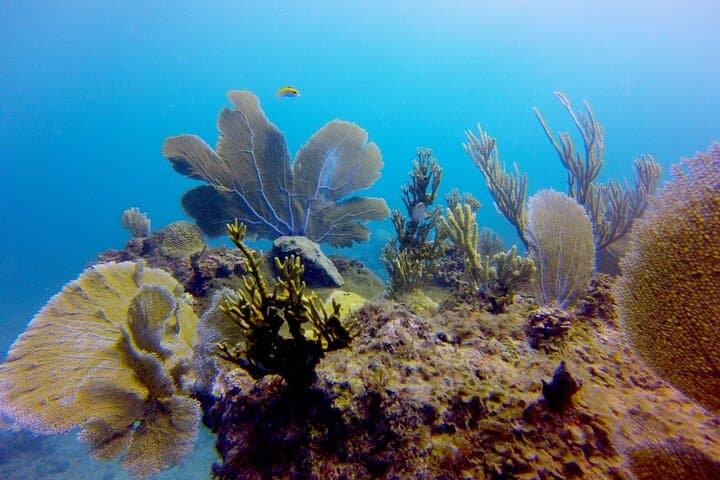
Expect to see spur-and-groove coral, fish that dart like shards of color, and often small remnant wrecks that attract schooling fish. Currents are generally mild in nearshore Punta Cana sites, but visibility varies with season and swell.
Practical guide: arrive hydrated and sun-protected, with a light breakfast; the program includes classroom theory, a confined pool session, then a single boat dive limited to 12 m—ideal for first-timers. Communicate medical history early—pregnancy and significant heart problems are contraindications. Morning slots are calmer and clearer; the whole experience runs about four hours, and groups are kept small for focused instruction.
This is a blue-water introduction—accessible, structured and professionally run—designed to get you comfortable breathing underwater and to leave you wanting more dives.
easy.
4 hours.
Requires basic swimming ability and general good health; comfortable holding breath and following instruction helps.
No certification is required—this introductory program is designed for first-time divers with classroom and confined-water training followed by a guided shallow dive.
The guided dive is limited to a maximum depth of 12 meters (about 40 feet), appropriate for beginners and recreational safety limits.
Pregnancy and significant cardiovascular or respiratory issues typically preclude participation; disclose any health concerns during booking for operator review.
The full program runs approximately four hours, including theory, pool practice, boat transfer and the guided dive.
Coastal waters here have long supported fishing traditions and occasional merchant wrecks dating to colonial trade routes; snorkeling and diving reveal that maritime past in coral-draped timbers.
Choose operators that use reef-safe sunscreen, avoid contact with coral, and follow buoy and anchoring protocols to minimize reef damage.
SeaKlub operates guided outdoor trips and adventures with an emphasis on safety, stewardship, and memorable experiences.
The boat slips from a sandy cove and the Caribbean pulls you forward, cool and insistent, as instructors run a short briefing on the foredeck. Close enough to shore to still see the line of palms, you step through a pool refresher—breathing through a regulator, equalizing ears—before boarding for a guided dive to 12 meters where reef and wreck hold court.
The boat slips from a sandy cove and the Caribbean pulls you forward, cool and insistent, as instructors run a short briefing on the foredeck. Close enough to shore to still see the line of palms, you step through a pool refresher—breathing through a regulator, equalizing ears—before boarding for a guided dive to 12 meters where reef and wreck hold court.
The Dominican Republic’s coral-fringed coast is the product of uplifted limestone and steady tropical seas; reefs here grow on ancient carbonate platforms and have hosted fishermen and mariners for centuries. Locally, coastal communities mix Spanish colonial history with Taíno heritage and a livelihoods culture built around the sea—fishing boats, bougainvillea-draped houses and small docks that still serve as passage to offshore reefs.
Expect to see spur-and-groove coral, fish that dart like shards of color, and often small remnant wrecks that attract schooling fish. Currents are generally mild in nearshore Punta Cana sites, but visibility varies with season and swell.
Practical guide: arrive hydrated and sun-protected, with a light breakfast; the program includes classroom theory, a confined pool session, then a single boat dive limited to 12 m—ideal for first-timers. Communicate medical history early—pregnancy and significant heart problems are contraindications. Morning slots are calmer and clearer; the whole experience runs about four hours, and groups are kept small for focused instruction.
This is a blue-water introduction—accessible, structured and professionally run—designed to get you comfortable breathing underwater and to leave you wanting more dives.