THE ADVENTURE COLLECTIVE® · Independent discovery and booking for outdoor travel

Two days of guided initiation in Nusa Lembongan teach the basics of breathing and moving underwater before taking you to Manta Point and Crystal Bay. Expect pool training, boat transfers, and two shallow guided dives (max 12 m) suitable for first-time divers.
Two days of guided initiation in Nusa Lembongan teach the basics of breathing and moving underwater before taking you to Manta Point and Crystal Bay. Expect pool training, boat transfers, and two shallow guided dives (max 12 m) suitable for first-time divers.
The boat slips away from Jungut Batu and the ocean opens—a blue that seems to dare you forward. On day one, students gather at a compact dive center on Lembongan’s shoreline, don masks, and learn to breathe slowly while the instructor times each breath. By day two the real draw appears: Manta Point, a pulsing cleaning station where bays of current bring plankton and with it, the graceful silhouettes of manta rays.
Verified experiences and guided adventures in the surrounding area.
Operated by Dive Concepts Bali · Nusa Lembongan, Bali
The boat slips away from Jungut Batu and the ocean opens—a blue that seems to dare you forward. On day one, students gather at a compact dive center on Lembongan’s shoreline, don masks, and learn to breathe slowly while the instructor times each breath. By day two the real draw appears: Manta Point, a pulsing cleaning station where bays of current bring plankton and with it, the graceful silhouettes of manta rays.
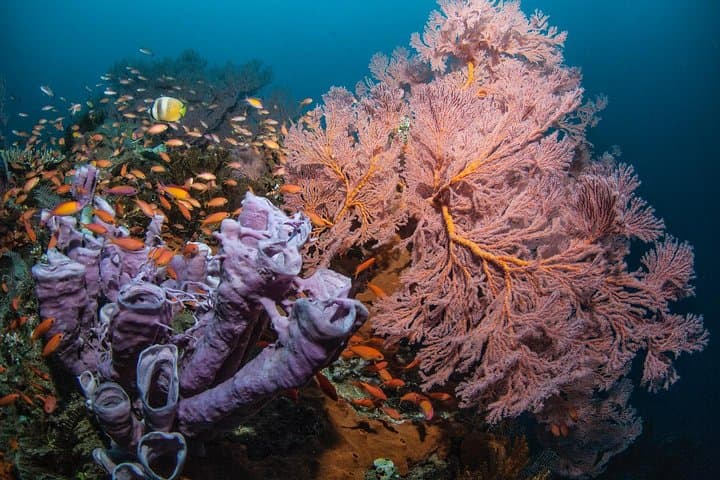
The islands east of Bali were shaped by uplifted coral and volcanic flows; the shallow terraces and sudden drop-offs create ideal cleaning stations where mantas and reef life congregate. Historically, these waters supported small fishing villages on Lembongan and Nusa Penida; today tourism and conservation intersect as local groups protect mantas and regulate dive access.
Travelers should expect two structured days: confined-water skills in a pool and shallow sea (max depth 12 m/40 ft), followed by guided boat dives at Manta Point and Crystal Bay. Visibility varies with season—clearer after calm forecasts—while currents can be strong near cleaning stations, so the instructor emphasizes drift-awareness and neutral buoyancy.
Practical tips: bring reef-safe sunscreen, wear swimwear under a wetsuit, and hydrate before boarding. If prone to motion sickness take preventive measures and time your meals lightly. The activity suits those with basic swimming ability; children from age 10 can participate under supervision. Respect briefing protocols, follow your instructor, and give mantas space—their cleaning rituals are the show; your calm, controlled presence keeps it that way.
moderate.
2 days.
Moderate fitness; comfortable swimming ability and basic mobility required for pool drills and boat transfers
No—this Discover Scuba Diving initiation is instructor-led and designed for beginners; you won’t receive a full certification but you’ll complete confined-water training and shallow guided dives.
The course limits dives to a maximum of 12 meters (40 feet) for safety and to match beginner training standards.
Bring or take over-the-counter seasickness medication before boarding; sit mid-boat and focus on the horizon, and inform staff so they can adjust seating or timing.
No—manta sightings are common at Manta Point but depend on currents and season; operators choose the best dive windows to maximize chances while respecting animal behavior.
The Nusa islands have long been fishing communities; cleaning stations off Nusa Penida and Lembongan became well-known to divers as tourism grew in the 1990s.
Local NGOs and dive operators work on manta protection, reef clean-ups, and limits on dive group sizes to reduce stress on sensitive cleaning stations.
Dive Concepts Bali operates guided outdoor trips and adventures with an emphasis on safety, stewardship, and memorable experiences.
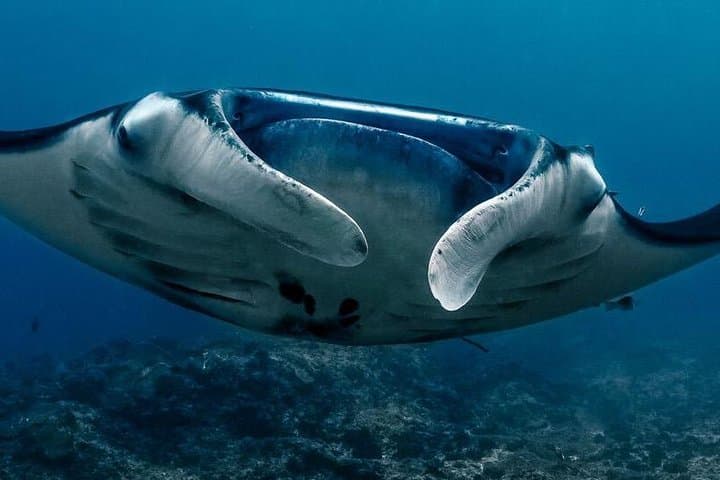
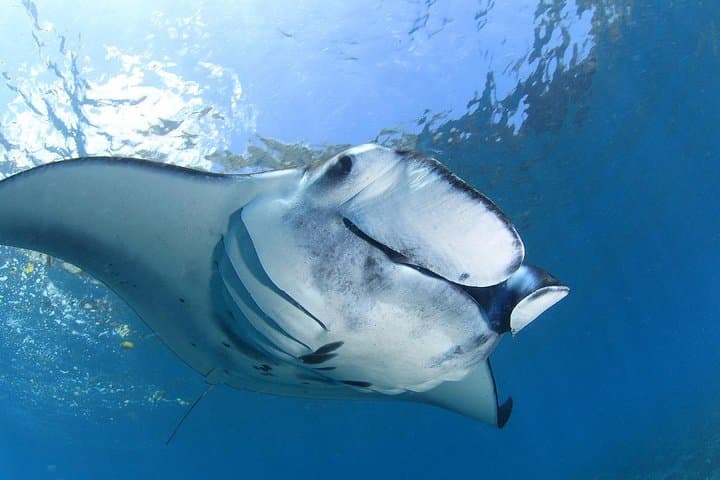
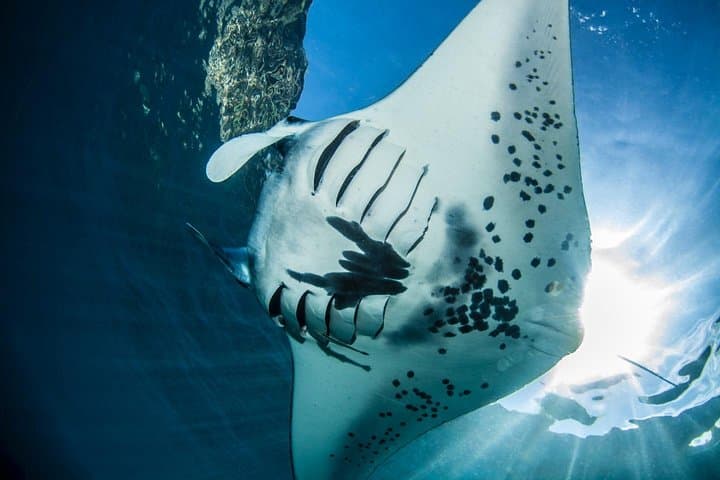
The boat slips away from Jungut Batu and the ocean opens—a blue that seems to dare you forward. On day one, students gather at a compact dive center on Lembongan’s shoreline, don masks, and learn to breathe slowly while the instructor times each breath. By day two the real draw appears: Manta Point, a pulsing cleaning station where bays of current bring plankton and with it, the graceful silhouettes of manta rays.
The boat slips away from Jungut Batu and the ocean opens—a blue that seems to dare you forward. On day one, students gather at a compact dive center on Lembongan’s shoreline, don masks, and learn to breathe slowly while the instructor times each breath. By day two the real draw appears: Manta Point, a pulsing cleaning station where bays of current bring plankton and with it, the graceful silhouettes of manta rays.
The islands east of Bali were shaped by uplifted coral and volcanic flows; the shallow terraces and sudden drop-offs create ideal cleaning stations where mantas and reef life congregate. Historically, these waters supported small fishing villages on Lembongan and Nusa Penida; today tourism and conservation intersect as local groups protect mantas and regulate dive access.
Travelers should expect two structured days: confined-water skills in a pool and shallow sea (max depth 12 m/40 ft), followed by guided boat dives at Manta Point and Crystal Bay. Visibility varies with season—clearer after calm forecasts—while currents can be strong near cleaning stations, so the instructor emphasizes drift-awareness and neutral buoyancy.
Practical tips: bring reef-safe sunscreen, wear swimwear under a wetsuit, and hydrate before boarding. If prone to motion sickness take preventive measures and time your meals lightly. The activity suits those with basic swimming ability; children from age 10 can participate under supervision. Respect briefing protocols, follow your instructor, and give mantas space—their cleaning rituals are the show; your calm, controlled presence keeps it that way.