THE ADVENTURE COLLECTIVE® · Independent discovery and booking for outdoor travel

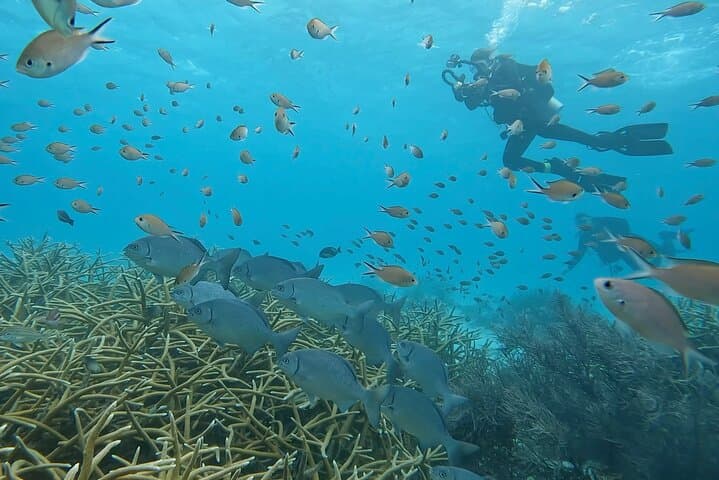
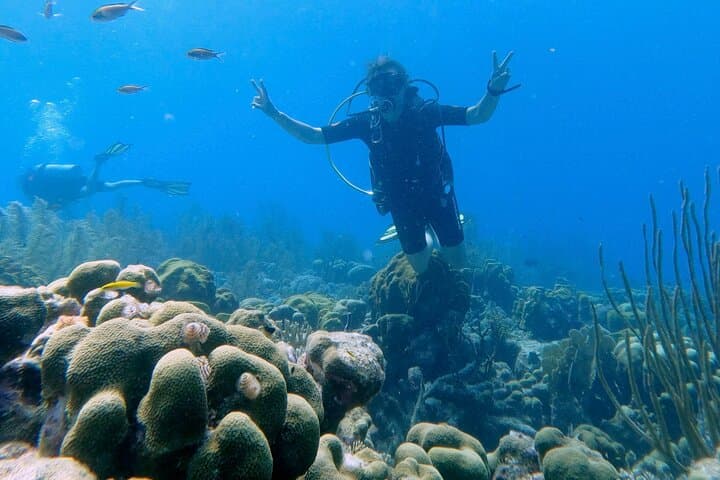
Try scuba for the first time off Bonaire’s reefs with a guided introductory dive near Kralendijk. This supervised program includes a skills session in shallow water and a short open-water dive to observe reef life in a protected marine park.
Try scuba for the first time off Bonaire’s reefs with a guided introductory dive near Kralendijk. This supervised program includes a skills session in shallow water and a short open-water dive to observe reef life in a protected marine park.
A flat morning breeze brushes the harbor as participants meet their instructor on Bonaire’s coral-fringed shoreline. The water ahead is glassy, the reef crest visible as a dark ribbon beneath turquoise. After a short briefing on the sand, learners ease into shallow water; the first breath on the regulator is quiet and immediate, and the reef draws them forward with brazen color and curious parrotfish.
Verified experiences and guided adventures in the surrounding area.
Operated by Amazing Bonaire · Kralendijk, Bonaire
A flat morning breeze brushes the harbor as participants meet their instructor on Bonaire’s coral-fringed shoreline. The water ahead is glassy, the reef crest visible as a dark ribbon beneath turquoise. After a short briefing on the sand, learners ease into shallow water; the first breath on the regulator is quiet and immediate, and the reef draws them forward with brazen color and curious parrotfish.
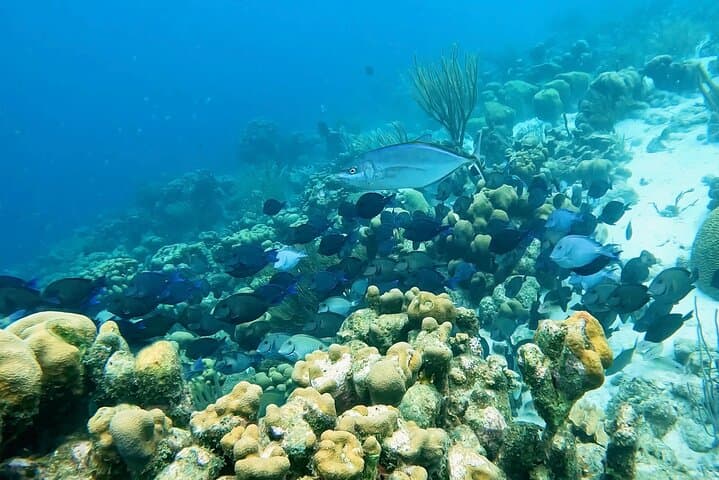
Bonaire’s reefs sit on limestone formed from ancient coral growth and volcanic foundations — geological history visible in ledges and swim-throughs. The island’s Dutch Caribbean culture grew around salt works and fishing; today diving is central to the economy and local identity. The Bonaire National Marine Park enforces mooring buoys and no-touch rules, so divers see healthy coral gardens and resident turtles without worrying about anchor damage.
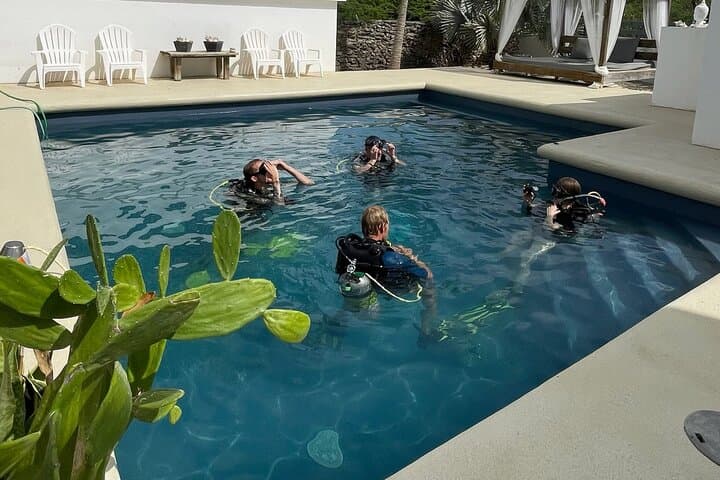
Practical guidance follows naturally from the setting. The program combines a classroom overview, confined shallow-water skills, and a short supervised open-water dive guided by a certified instructor. Expect 3–4 hours total, with most of the time spent gearing up, reviewing safety, and acclimating in waist-deep water before a 20–40 minute underwater experience. Currents near some sites can push divers along the reef, so listen to your guide, equalize early, and use controlled breathing to conserve air.
This introductory dive is ideal for travelers in moderate physical condition who want a safe, equipment-provided taste of scuba before committing to certification.
moderate.
3–4 hours.
Moderate fitness; able to swim and handle short surface swims and basic breathing control underwater
No prior scuba certification is required; the Discover Scuba Diving program is designed for non-certified participants under instructor supervision.
Age requirements vary by provider but typically participants must be at least 10 years old and able to follow instructions; the operator will confirm during booking.
Your instructor will escort you to the surface and help you remove gear if needed—safety and comfort are prioritized over completing the dive.
Yes — standard scuba equipment (BCD, regulator, tank, mask, fins) is provided as part of the experience.
Bonaire’s modern dive culture grew from a centuries-old salt industry and fishing economy under Dutch colonial administration, with reefs now protected by an early-established marine park.
The Bonaire National Marine Park enforces mooring buoys and strict no-touch rules; divers are expected to follow local guidelines to minimize impact on coral and marine life.
Amazing Bonaire operates guided outdoor trips and adventures with an emphasis on safety, stewardship, and memorable experiences.
A flat morning breeze brushes the harbor as participants meet their instructor on Bonaire’s coral-fringed shoreline. The water ahead is glassy, the reef crest visible as a dark ribbon beneath turquoise. After a short briefing on the sand, learners ease into shallow water; the first breath on the regulator is quiet and immediate, and the reef draws them forward with brazen color and curious parrotfish.
A flat morning breeze brushes the harbor as participants meet their instructor on Bonaire’s coral-fringed shoreline. The water ahead is glassy, the reef crest visible as a dark ribbon beneath turquoise. After a short briefing on the sand, learners ease into shallow water; the first breath on the regulator is quiet and immediate, and the reef draws them forward with brazen color and curious parrotfish.
Bonaire’s reefs sit on limestone formed from ancient coral growth and volcanic foundations — geological history visible in ledges and swim-throughs. The island’s Dutch Caribbean culture grew around salt works and fishing; today diving is central to the economy and local identity. The Bonaire National Marine Park enforces mooring buoys and no-touch rules, so divers see healthy coral gardens and resident turtles without worrying about anchor damage.
Practical guidance follows naturally from the setting. The program combines a classroom overview, confined shallow-water skills, and a short supervised open-water dive guided by a certified instructor. Expect 3–4 hours total, with most of the time spent gearing up, reviewing safety, and acclimating in waist-deep water before a 20–40 minute underwater experience. Currents near some sites can push divers along the reef, so listen to your guide, equalize early, and use controlled breathing to conserve air.
This introductory dive is ideal for travelers in moderate physical condition who want a safe, equipment-provided taste of scuba before committing to certification.