THE ADVENTURE COLLECTIVE® · Independent discovery and booking for outdoor travel

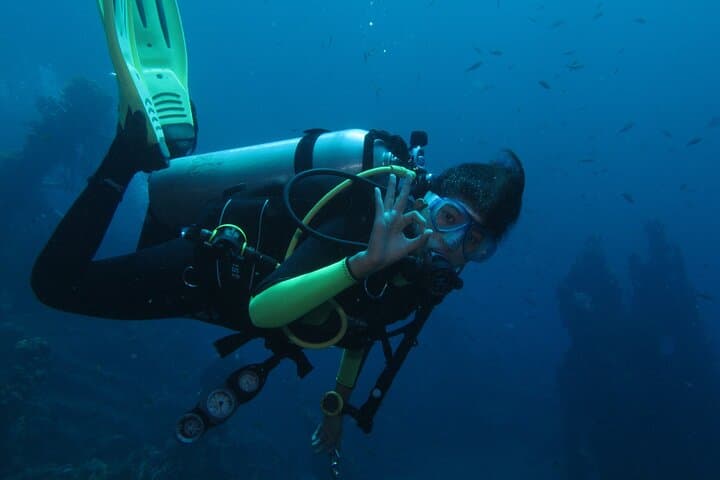
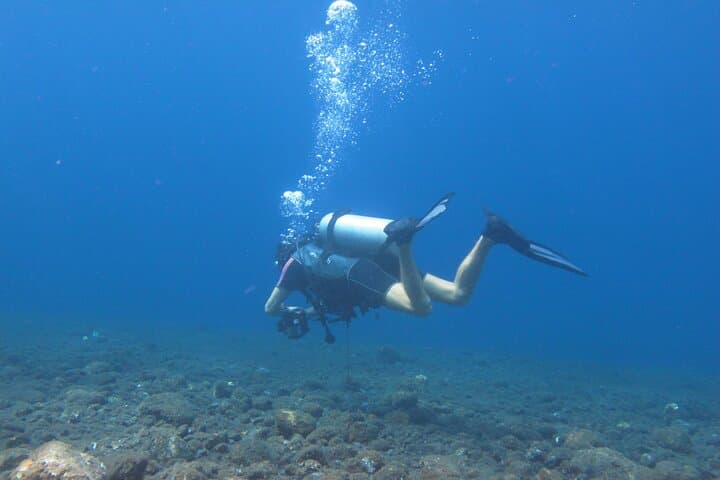
Spend a full day learning basic scuba skills in Amed and Tulamben before making two guided ocean dives to 5–12 meters over colorful reefs and wrecks. Ideal for beginners, the trip pairs hands-on instruction with low-depth exploration of Bali’s volcanic coast.
Spend a full day learning basic scuba skills in Amed and Tulamben before making two guided ocean dives to 5–12 meters over colorful reefs and wrecks. Ideal for beginners, the trip pairs hands-on instruction with low-depth exploration of Bali’s volcanic coast.
Salt air, volcanic hills and the distant silhouette of Mount Agung form the backdrop as divers meet at a small dive center on Bali’s northeastern coast. The day begins with paperwork and a welcome drink; instructors fit gear, demonstrate breathing from a regulator, and lead a confined-water session that eases first-time divers into the rhythm of underwater breathing.
Verified experiences and guided adventures in the surrounding area.
Operated by BIRD DIVE CENTER · Amed, Bali
Salt air, volcanic hills and the distant silhouette of Mount Agung form the backdrop as divers meet at a small dive center on Bali’s northeastern coast. The day begins with paperwork and a welcome drink; instructors fit gear, demonstrate breathing from a regulator, and lead a confined-water session that eases first-time divers into the rhythm of underwater breathing.
Tulamben and Amed sit on the slope of an active volcanic island, a geology that created black-sand shores and rich coastal reefs. Tulamben’s best-known site — the USAT Liberty wreck — transformed after the 1963 eruption, and nearby coral gardens owe their structure to lava flows and ash that altered currents and substrate. The local culture is tied to fishing and salt production; small coastal villages still launch jukung boats at dawn.
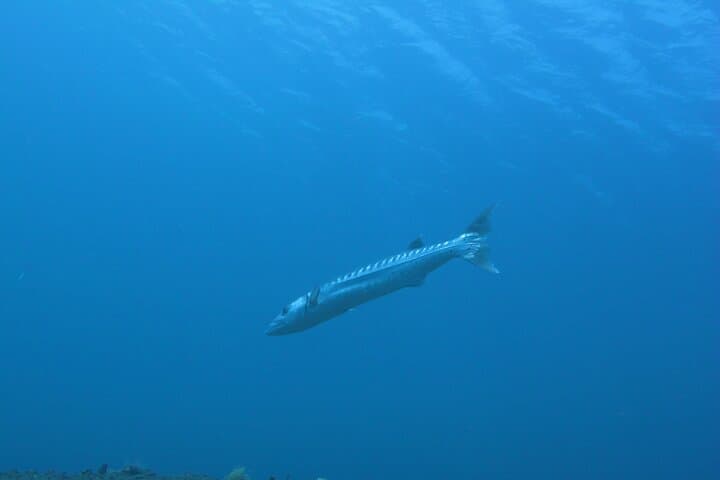
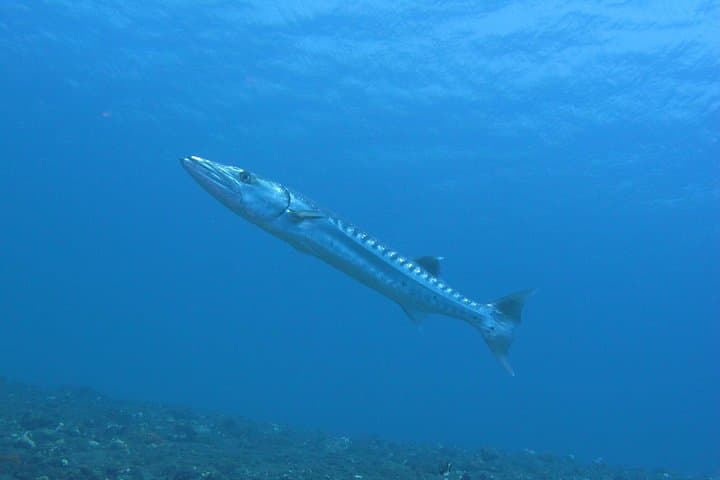
The program includes two guided ocean dives to roughly 5–12 meters, where you’ll see hard and soft corals, anemonefish, and macro critters. Visibility typically ranges from 10–25 meters depending on season; currents are usually mild but can roll stronger near channels.
Practical notes: bring reef-safe sunscreen, a swim shirt and a towel; instructors provide cylinders, BCDs, masks and regulators. Stay hydrated, equalize early and communicate any discomfort immediately. Expect a full day with shared transport, a simple Indonesian lunch, and a late-afternoon return to your hotel. This trip suits people comfortable in water who want a safe, low-depth first dive with plenty of photographic and wildlife payoff.
moderate.
8–12 hours.
Moderate fitness; comfortable swimming and the ability to handle short surface swims and ladder in/out of small boats.
No — the Discover Scuba Diving program is designed for non-certified participants and includes confined-water practice plus two supervised ocean dives.
Guided dives are shallow, typically between 5 and 12 meters, which is appropriate for first-time divers and good for photography.
People with serious cardiovascular, respiratory, or spinal conditions, or pregnant travelers, should not dive; always consult a physician and disclose medical history to the operator.
Bring your passport or ID, swimwear, towel, reef-safe sunscreen, a change of clothes, and any personal medications; the operator supplies tanks, BCDs, masks and regulators.
Tulamben’s USAT Liberty wreck was beached and later moved by volcanic activity; the 1963 Mount Agung eruption reshaped the coastline and exposed sites now popular with divers.
Coral reefs in this area face warming and destructive practices; operators emphasize no-touch rules, reef-safe sunscreens and supporting local reef-restoration initiatives.
BIRD DIVE CENTER operates guided outdoor trips and adventures with an emphasis on safety, stewardship, and memorable experiences.
Salt air, volcanic hills and the distant silhouette of Mount Agung form the backdrop as divers meet at a small dive center on Bali’s northeastern coast. The day begins with paperwork and a welcome drink; instructors fit gear, demonstrate breathing from a regulator, and lead a confined-water session that eases first-time divers into the rhythm of underwater breathing.
Salt air, volcanic hills and the distant silhouette of Mount Agung form the backdrop as divers meet at a small dive center on Bali’s northeastern coast. The day begins with paperwork and a welcome drink; instructors fit gear, demonstrate breathing from a regulator, and lead a confined-water session that eases first-time divers into the rhythm of underwater breathing.
Tulamben and Amed sit on the slope of an active volcanic island, a geology that created black-sand shores and rich coastal reefs. Tulamben’s best-known site — the USAT Liberty wreck — transformed after the 1963 eruption, and nearby coral gardens owe their structure to lava flows and ash that altered currents and substrate. The local culture is tied to fishing and salt production; small coastal villages still launch jukung boats at dawn.
The program includes two guided ocean dives to roughly 5–12 meters, where you’ll see hard and soft corals, anemonefish, and macro critters. Visibility typically ranges from 10–25 meters depending on season; currents are usually mild but can roll stronger near channels.
Practical notes: bring reef-safe sunscreen, a swim shirt and a towel; instructors provide cylinders, BCDs, masks and regulators. Stay hydrated, equalize early and communicate any discomfort immediately. Expect a full day with shared transport, a simple Indonesian lunch, and a late-afternoon return to your hotel. This trip suits people comfortable in water who want a safe, low-depth first dive with plenty of photographic and wildlife payoff.