THE ADVENTURE COLLECTIVE® · Independent discovery and booking for outdoor travel

Try your first breaths underwater on Sri Lanka’s southern reefs with a PADI Discover Scuba Diving session. This short, guided experience includes basic instruction, confined-water practice, and one shallow reef dive—perfect for beginners wanting an introduction without a full certification.
Try your first breaths underwater on Sri Lanka’s southern reefs with a PADI Discover Scuba Diving session. This short, guided experience includes basic instruction, confined-water practice, and one shallow reef dive—perfect for beginners wanting an introduction without a full certification.
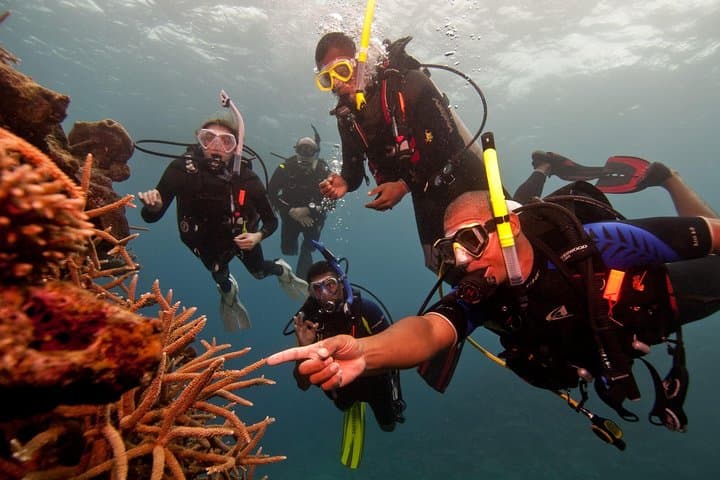
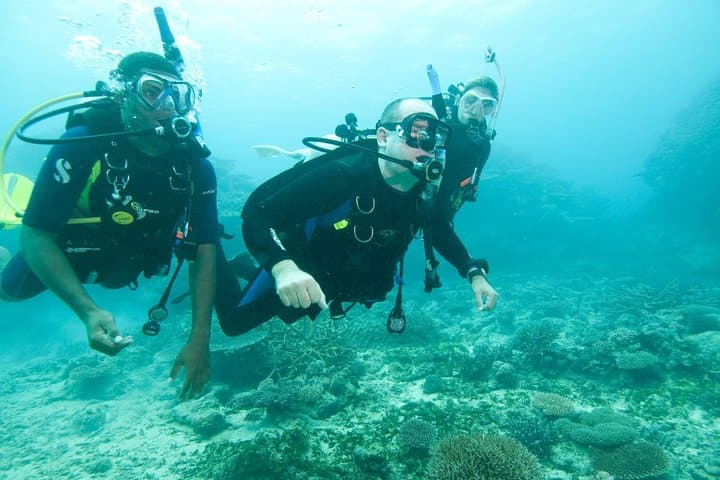
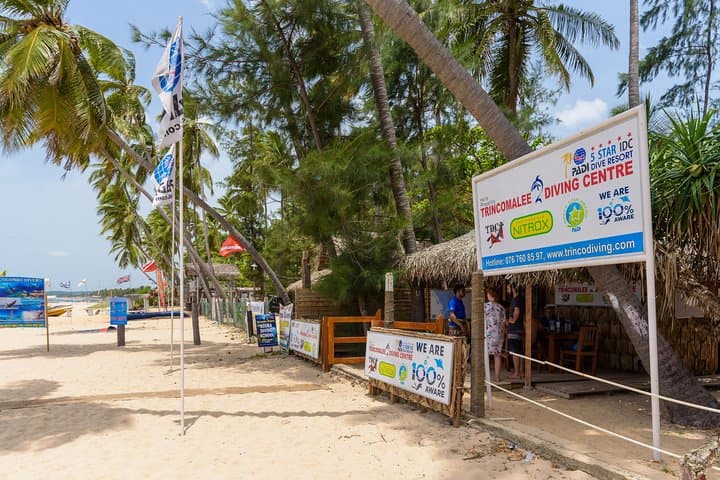
You step off warm sand with salt on your lips, the guide handing over a mask and a steadying smile. A short walk and a calm, shallow reef spreads before you—patches of coral, sea grass beds, and the flash of reef fish dancing just beyond reach. Breathing through a regulator for the first time, the surface noise falls away and the Indian Ocean opens into a quiet, weightless world.
Verified experiences and guided adventures in the surrounding area.
Operated by Divinguru Sri Lanka · Galle, Southern Province
You step off warm sand with salt on your lips, the guide handing over a mask and a steadying smile. A short walk and a calm, shallow reef spreads before you—patches of coral, sea grass beds, and the flash of reef fish dancing just beyond reach. Breathing through a regulator for the first time, the surface noise falls away and the Indian Ocean opens into a quiet, weightless world.
The southern coast of Sri Lanka has fed seafarers for centuries; the coral ridges here formed on the island’s continental shelf and now shelter fragile reefs and a coastal fishing culture centered on Galle’s harbor and small beach villages. Local dive operators follow PADI’s Discover Scuba Diving procedures: a brief theory talk, confined-water practice, then a guided introductory dive to 6–12 m depending on the program.
Expect a focused, 2–3 hour experience—short lessons on buoyancy and safety, equipment familiarization, and a guided shallow dive under a PADI divemaster or instructor. The reef terrain is low-relief with coral bommies and sandy channels; visibility varies seasonally but often ranges 5–20 m on good days. Wildlife encounters commonly include reef fish, rays, and the occasional sea turtle; currents are usually mild but guides plan around tides and weather.
Practical notes: minimum age is 10, be in reasonable health (no heart, back, or pregnancy restrictions), and bring swimwear, a loose T-shirt and reef-safe sunscreen. Morning sessions often offer calmer water and better visibility; listen to your instructor about ear equalization and communicate early if you feel uneasy. Operators typically include transport, bottled water and basic snacks—enough to make the first breath underwater safe and memorable.
moderate.
2–3 hours.
Moderate fitness; you should be able to swim and move comfortably in water and climb a small boat ladder or step in and out from shore.
No. This Discover Scuba Diving session is an introductory experience designed for non-certified divers with a short theory lesson and supervised shallow dive.
Minimum age is 10 years old; minors must dive under the direct supervision of an instructor and may need guardian consent.
Not recommended for people with heart or severe respiratory problems, recent surgeries, spinal injuries, or pregnancy—consult the operator and your physician if unsure.
Operators typically cancel for unsafe conditions and offer full refunds if canceled at least 24 hours before departure; short-notice weather cancellations may also apply.
The southern reefs sit off coasts that have been maritime crossroads for centuries; nearby Galle’s fort and ports reflect Portuguese, Dutch and British influences tied to the region’s seafaring past.
Local operators increasingly promote reef-safe practices—avoid touching coral, use reef-friendly sunscreen, and follow briefings to minimize diver impact on fragile habitats.
Divinguru Sri Lanka operates guided outdoor trips and adventures with an emphasis on safety, stewardship, and memorable experiences.

You step off warm sand with salt on your lips, the guide handing over a mask and a steadying smile. A short walk and a calm, shallow reef spreads before you—patches of coral, sea grass beds, and the flash of reef fish dancing just beyond reach. Breathing through a regulator for the first time, the surface noise falls away and the Indian Ocean opens into a quiet, weightless world.
You step off warm sand with salt on your lips, the guide handing over a mask and a steadying smile. A short walk and a calm, shallow reef spreads before you—patches of coral, sea grass beds, and the flash of reef fish dancing just beyond reach. Breathing through a regulator for the first time, the surface noise falls away and the Indian Ocean opens into a quiet, weightless world.
The southern coast of Sri Lanka has fed seafarers for centuries; the coral ridges here formed on the island’s continental shelf and now shelter fragile reefs and a coastal fishing culture centered on Galle’s harbor and small beach villages. Local dive operators follow PADI’s Discover Scuba Diving procedures: a brief theory talk, confined-water practice, then a guided introductory dive to 6–12 m depending on the program.
Expect a focused, 2–3 hour experience—short lessons on buoyancy and safety, equipment familiarization, and a guided shallow dive under a PADI divemaster or instructor. The reef terrain is low-relief with coral bommies and sandy channels; visibility varies seasonally but often ranges 5–20 m on good days. Wildlife encounters commonly include reef fish, rays, and the occasional sea turtle; currents are usually mild but guides plan around tides and weather.
Practical notes: minimum age is 10, be in reasonable health (no heart, back, or pregnancy restrictions), and bring swimwear, a loose T-shirt and reef-safe sunscreen. Morning sessions often offer calmer water and better visibility; listen to your instructor about ear equalization and communicate early if you feel uneasy. Operators typically include transport, bottled water and basic snacks—enough to make the first breath underwater safe and memorable.