THE ADVENTURE COLLECTIVE® · Independent discovery and booking for outdoor travel

Spend a half day learning to breathe underwater in the emerald waters of Casa Cenote. Two guided introductory dives, gear and theory prepare you for a unique mangrove-fed cenote experience—and can count toward Open Water certification.
Spend a half day learning to breathe underwater in the emerald waters of Casa Cenote. Two guided introductory dives, gear and theory prepare you for a unique mangrove-fed cenote experience—and can count toward Open Water certification.
The morning light filters through mangrove roots and slashes the water into green-gold ribbons as you lower your mask at Casa Cenote. Humid air smells of salt and earth; the cenote’s surface is calm until you slip beneath it and the world compresses into tunnels, roots and shafts of blue.
Verified experiences and guided adventures in the surrounding area.
Operated by Diversland Mexico · Tulum, Quintana Roo
The morning light filters through mangrove roots and slashes the water into green-gold ribbons as you lower your mask at Casa Cenote. Humid air smells of salt and earth; the cenote’s surface is calm until you slip beneath it and the world compresses into tunnels, roots and shafts of blue.
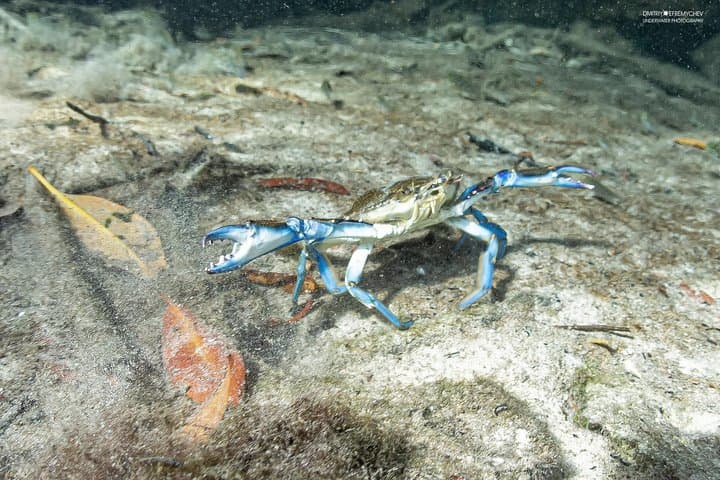
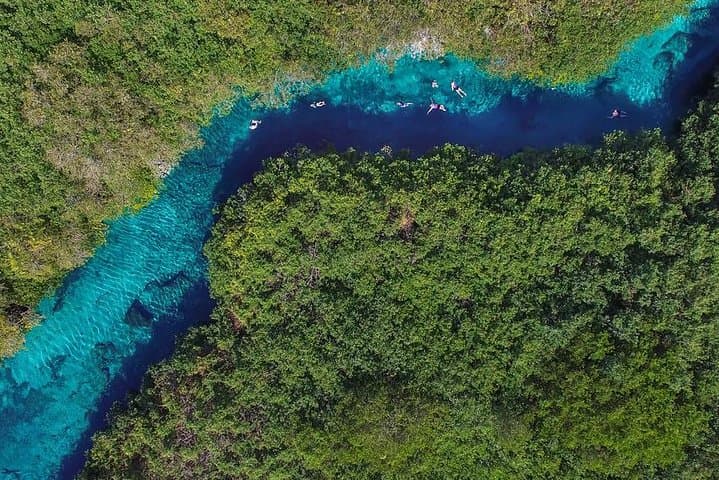
Casa Cenote sits where the karst aquifer meets the Caribbean, an open, river-like cenote carved from limestone and fed by the Aktun cave system. Mayan communities used cenotes for fresh water; today the site shows both geological passages and living mangrove channels, a liminal zone where fresh and saltwater mingle and attract tarpon, morays and crabs.
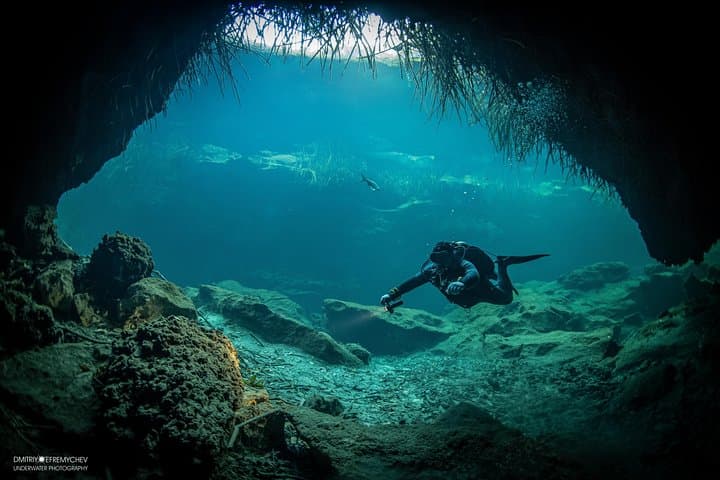
The experience is straightforward: a short theory session, equipment fitting, and two supervised dives tailored for beginners. Expect shallow photogenic caverns, moss-covered boulders and clear-sediment bottoms with 6–18 m visibility varying by season. Guides emphasize basic buoyancy, regulator use and hand signals—skills that can count toward an Open Water Diver certification if you continue training.
Practical notes: arrive hydrated, avoid lotions or non-biodegradable sunscreen, and bring a shorty or wetsuit for cooler depths. Non-swimmers who are comfortable in water can participate, but basic swimming ability and completion of a health questionnaire are required. Hotel pickup across the Riviera Maya is common; plan for a half-day window (about five hours door-to-door).
Casa Cenote offers an accessible, atmospheric introduction to cavern diving—part classroom, part aquatic museum—ideal for adventurous travelers seeking a safe first dive in a uniquely coastal cenote setting.
moderate.
5 hours (half-day).
Basic swimming ability and comfort in open water; suitable for generally fit beginners
No; this is an introductory course designed for beginners. Instruction and supervision are provided so you can complete two guided dives without prior certification.
Minimum age is typically 10 years; younger divers must meet operator requirements and parental consent is required.
Yes—your two dives and skills may be credited toward the Open Water Diver course if you continue formal training with the provider.
Expect tarpon, green moray eels, snapper, occasional barracuda and blue swimming crabs where fresh and saltwater mix.
Cenotes were vital freshwater sources for Maya communities and often featured in ritual life; Casa Cenote is a modern access point into the same karst network.
Cenote ecosystems are sensitive: use biodegradable sunscreen, avoid touching formations, and follow guides’ rinse-and-don’t-touch rules to protect water quality and habitat.
Diversland Mexico operates guided outdoor trips and adventures with an emphasis on safety, stewardship, and memorable experiences.
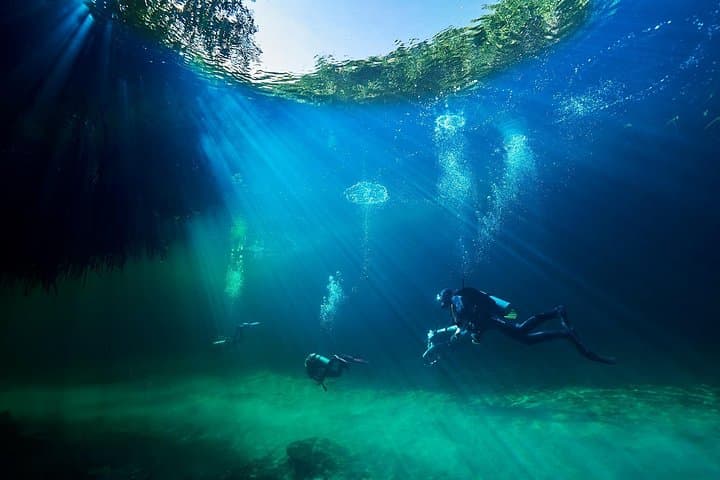
The morning light filters through mangrove roots and slashes the water into green-gold ribbons as you lower your mask at Casa Cenote. Humid air smells of salt and earth; the cenote’s surface is calm until you slip beneath it and the world compresses into tunnels, roots and shafts of blue.
The morning light filters through mangrove roots and slashes the water into green-gold ribbons as you lower your mask at Casa Cenote. Humid air smells of salt and earth; the cenote’s surface is calm until you slip beneath it and the world compresses into tunnels, roots and shafts of blue.
Casa Cenote sits where the karst aquifer meets the Caribbean, an open, river-like cenote carved from limestone and fed by the Aktun cave system. Mayan communities used cenotes for fresh water; today the site shows both geological passages and living mangrove channels, a liminal zone where fresh and saltwater mingle and attract tarpon, morays and crabs.
The experience is straightforward: a short theory session, equipment fitting, and two supervised dives tailored for beginners. Expect shallow photogenic caverns, moss-covered boulders and clear-sediment bottoms with 6–18 m visibility varying by season. Guides emphasize basic buoyancy, regulator use and hand signals—skills that can count toward an Open Water Diver certification if you continue training.
Practical notes: arrive hydrated, avoid lotions or non-biodegradable sunscreen, and bring a shorty or wetsuit for cooler depths. Non-swimmers who are comfortable in water can participate, but basic swimming ability and completion of a health questionnaire are required. Hotel pickup across the Riviera Maya is common; plan for a half-day window (about five hours door-to-door).
Casa Cenote offers an accessible, atmospheric introduction to cavern diving—part classroom, part aquatic museum—ideal for adventurous travelers seeking a safe first dive in a uniquely coastal cenote setting.