THE ADVENTURE COLLECTIVE® · Independent discovery and booking for outdoor travel

Try scuba for the first time in Lanzarote’s calm Playa Chica bay — a guided SSI discover dive that takes you to 5–6 metres to meet parrotfish, wrasse and shallow volcanic reef. Small groups and full kit make this a practical, accessible introduction to underwater exploration.
Try scuba for the first time in Lanzarote’s calm Playa Chica bay — a guided SSI discover dive that takes you to 5–6 metres to meet parrotfish, wrasse and shallow volcanic reef. Small groups and full kit make this a practical, accessible introduction to underwater exploration.
The sea at Playa Chica opens quietly — a rim of black volcanic rock giving way to aquamarine basins where fish dart through pockets of light. You step from the breakwater into waist-deep water, breathe through a regulator for the first time, and the coastline shifts from heat and stone to a cool, breathing world. The instructor leads you down; at five to six metres the current feels like a gentle hand guiding you past sculpted lava shelves.
Verified experiences and guided adventures in the surrounding area.
Operated by Manta Diving Lanzarote · Puerto del Carmen, Canary Islands
The sea at Playa Chica opens quietly — a rim of black volcanic rock giving way to aquamarine basins where fish dart through pockets of light. You step from the breakwater into waist-deep water, breathe through a regulator for the first time, and the coastline shifts from heat and stone to a cool, breathing world. The instructor leads you down; at five to six metres the current feels like a gentle hand guiding you past sculpted lava shelves.
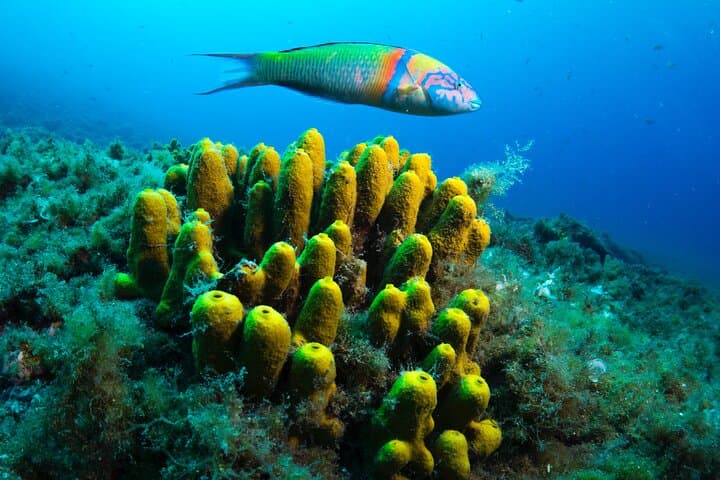
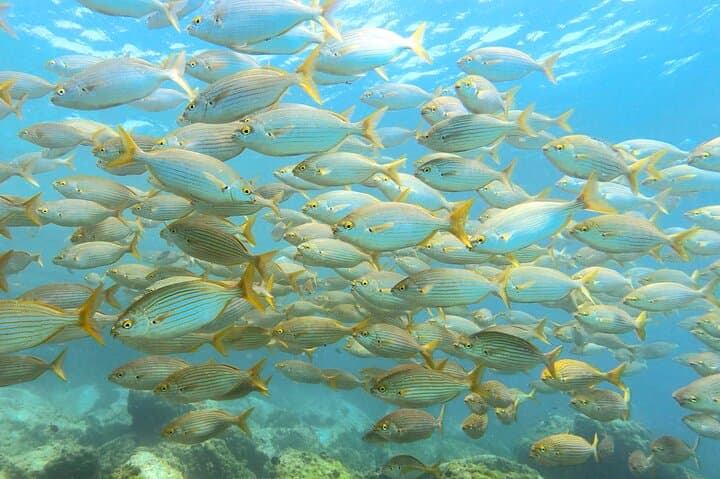
Lanzarote’s coast is young by geological standards, formed by eruptions that carved stepped cliffs and submerged ledges. Human life here has long balanced on those edges: small-scale fishing, simple stone harbors and more recently, tourism built around clear water and accessible shores. Playa Chica is favored for beginner dives because the coves break swell and visibility is usually high, revealing species such as parrotfish, ornate wrasse and sea bream.
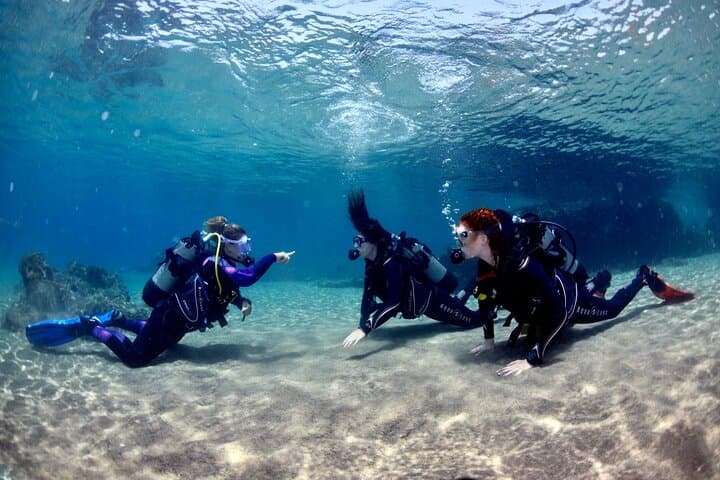
Practically, the experience is structured: paperwork and a brief medical check, a gear fitting, skills practice in waist-deep water, then a supervised 30–35 minute guided dive to about 5–6 metres. Groups are small (two students per SSI instructor; max six guests), and basic equipment and wetsuits are provided. Expect to walk short stretches over stone and sand; bring swimwear, towel and a light change of clothes. If you have respiratory or heart conditions, are pregnant, or flew within 12 hours, you should not dive. Morning sessions usually offer calmer seas and better visibility. Listen to your instructor, clear your ears early and move deliberately — the ocean here invites exploration but rewards calm, practiced breathing.
moderate.
2 hours.
Should have a moderate level of fitness—comfortable swimming and basic mobility (walking on rocky shore) required.
No—this is a discover dive designed for beginners; your SSI instructor will teach basic skills in waist-deep water before the dive.
The guided dive reaches around 5–6 metres and lasts approximately 30–35 minutes within a 2-hour session including briefing and fittings.
Yes—minimum age is 10, and children must be accompanied by an adult; all participants complete a health questionnaire beforehand.
Pregnancy, serious heart or respiratory conditions, recent ear surgery, or any condition your doctor advises against diving; consult a physician if unsure.
Lanzarote’s coastline is defined by 18th–20th century volcanic activity; the black lava rock shapes sheltered coves like Playa Chica that concentrate marine life.
Operators follow SSI guidelines—avoid touching reef or disturbing animals, use reef-safe sunscreen, and pack out any litter to protect the shallow ecosystems.
Manta Diving Lanzarote operates guided outdoor trips and adventures with an emphasis on safety, stewardship, and memorable experiences.
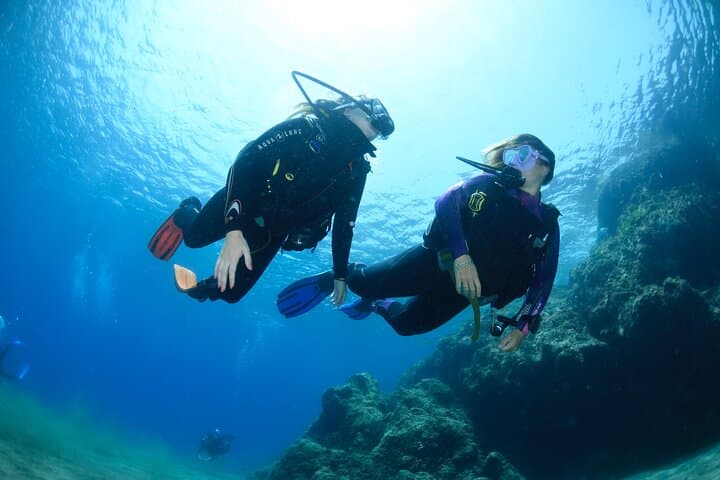
The sea at Playa Chica opens quietly — a rim of black volcanic rock giving way to aquamarine basins where fish dart through pockets of light. You step from the breakwater into waist-deep water, breathe through a regulator for the first time, and the coastline shifts from heat and stone to a cool, breathing world. The instructor leads you down; at five to six metres the current feels like a gentle hand guiding you past sculpted lava shelves.
The sea at Playa Chica opens quietly — a rim of black volcanic rock giving way to aquamarine basins where fish dart through pockets of light. You step from the breakwater into waist-deep water, breathe through a regulator for the first time, and the coastline shifts from heat and stone to a cool, breathing world. The instructor leads you down; at five to six metres the current feels like a gentle hand guiding you past sculpted lava shelves.
Lanzarote’s coast is young by geological standards, formed by eruptions that carved stepped cliffs and submerged ledges. Human life here has long balanced on those edges: small-scale fishing, simple stone harbors and more recently, tourism built around clear water and accessible shores. Playa Chica is favored for beginner dives because the coves break swell and visibility is usually high, revealing species such as parrotfish, ornate wrasse and sea bream.
Practically, the experience is structured: paperwork and a brief medical check, a gear fitting, skills practice in waist-deep water, then a supervised 30–35 minute guided dive to about 5–6 metres. Groups are small (two students per SSI instructor; max six guests), and basic equipment and wetsuits are provided. Expect to walk short stretches over stone and sand; bring swimwear, towel and a light change of clothes. If you have respiratory or heart conditions, are pregnant, or flew within 12 hours, you should not dive. Morning sessions usually offer calmer seas and better visibility. Listen to your instructor, clear your ears early and move deliberately — the ocean here invites exploration but rewards calm, practiced breathing.