THE ADVENTURE COLLECTIVE® · Independent discovery and booking for outdoor travel

Try scuba for the first time at Khobar’s Half Moon Beach and explore local reef structures and an underwater museum built by residents. Expect a guided shallow-water dive, full equipment rental, and warm Gulf conditions ideal for beginners.
Try scuba for the first time at Khobar’s Half Moon Beach and explore local reef structures and an underwater museum built by residents. Expect a guided shallow-water dive, full equipment rental, and warm Gulf conditions ideal for beginners.
The sea at Khobar’s Half Moon Beach opens like a quiet door: warm, glassy shallows that give way to a blue-green horizon where sunlight scatters through suspended plankton and tropical fish weave between coral heads.
Verified experiences and guided adventures in the surrounding area.
Operated by CAP.MOA · Al Khobar, Eastern Province
The sea at Khobar’s Half Moon Beach opens like a quiet door: warm, glassy shallows that give way to a blue-green horizon where sunlight scatters through suspended plankton and tropical fish weave between coral heads.
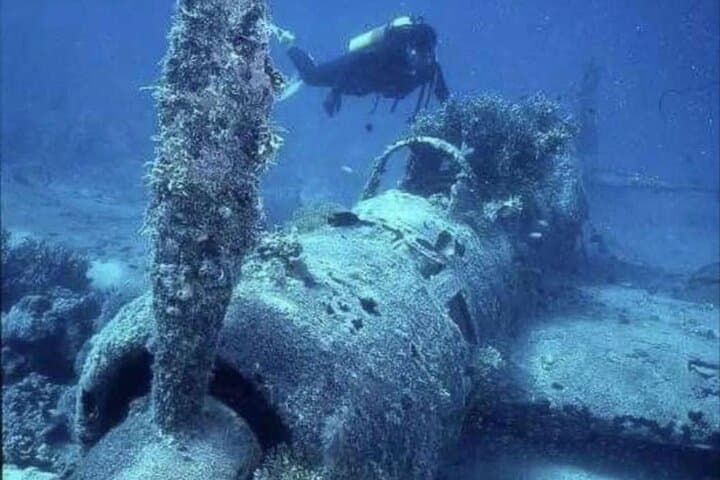
This introductory scuba experience takes place in the Arabian Gulf along Saudi Arabia’s Eastern Province, a region with a growing local dive community and an unusual underwater museum created by residents. Geologically the gulf is shallow and sheltered, so dive sites tend to be sandy flats, patch reefs, and man-made structures that attract life. Culturally, the coast is a working shoreline shaped by fishing, oil history, and recent recreational investment—diving here mixes local hospitality with developing marine conservation efforts.
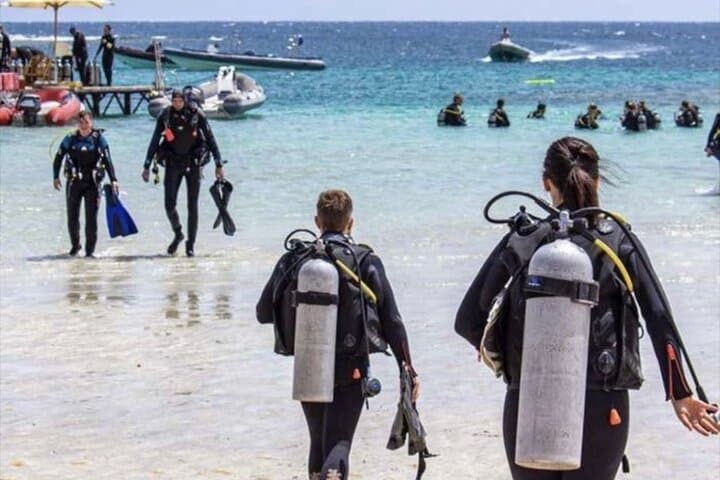
Expect a thorough briefing, basic skills practice in shallow water, then a guided descent to see reef structures and the community-built underwater exhibits. Visibility in the Gulf can vary; tides and summer plankton blooms affect clarity, but warm water and abundant reef fish make each dive lively. Instructors provide full rental gear, bottled water and snacks; you bring swimwear and a towel.
Practical notes: equalize early and often, stay within comfort limits, and avoid touching coral. Plan no air travel for at least 18–24 hours after diving. Photography opportunities are best on calm mornings when the sea lies still and light penetrates deeper. For first-time divers this is a controlled, achievable way to meet the underwater world of the Gulf with experienced guides and minimal technical demand.
easy.
3–4 hours.
Comfortable swimming ability and basic mobility are sufficient; participants should be able to enter/exit water and tolerate brief exertion.
No—this is a Discover Scuba Diving program designed for first-timers; instruction and supervised practice are provided on site.
Not recommended for pregnant people or those with cardiovascular or certain respiratory conditions; operators require medical information at booking.
Yes—complete SCUBA equipment rental, bottled water and snacks are included in the activity price.
Introductory dives are shallow—typically 6–12 meters (20–40 feet)—to keep skills simple and safety margins high.
The Gulf’s coastline near Al Khobar has shifted from a fishing and pearling economy to oil and, more recently, leisure marine activities; local divers have begun creating underwater features to support reef life.
Gulf reefs are shallow and sensitive—use reef-safe sunscreen, avoid contact with the bottom, and follow guide instructions to minimize impact.
CAP.MOA operates guided outdoor trips and adventures with an emphasis on safety, stewardship, and memorable experiences.
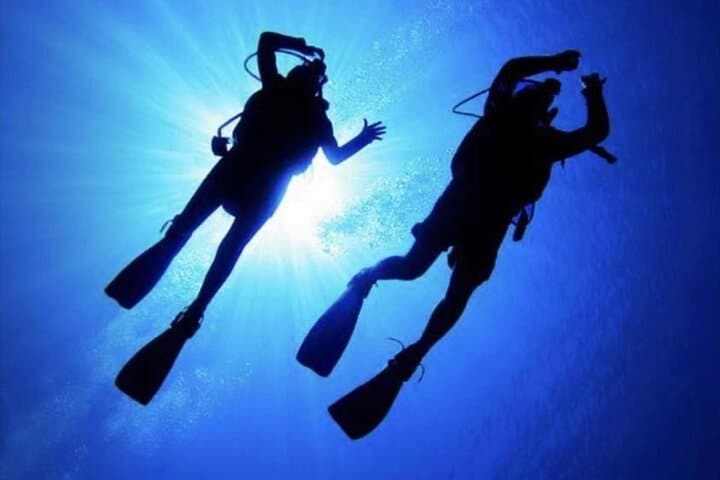
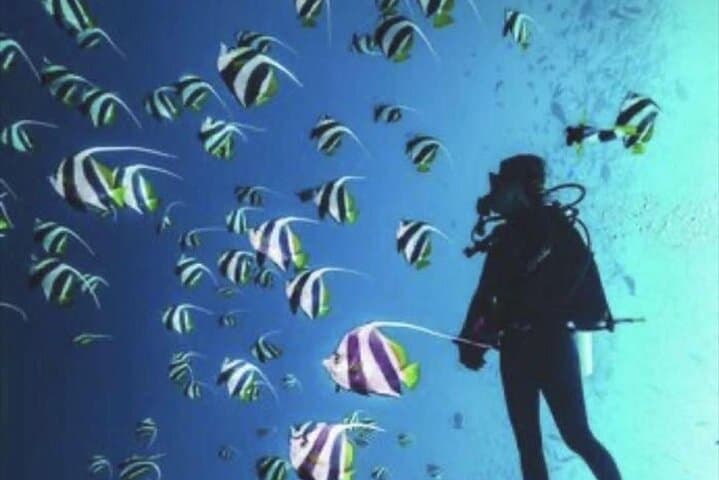
The sea at Khobar’s Half Moon Beach opens like a quiet door: warm, glassy shallows that give way to a blue-green horizon where sunlight scatters through suspended plankton and tropical fish weave between coral heads.
The sea at Khobar’s Half Moon Beach opens like a quiet door: warm, glassy shallows that give way to a blue-green horizon where sunlight scatters through suspended plankton and tropical fish weave between coral heads.
This introductory scuba experience takes place in the Arabian Gulf along Saudi Arabia’s Eastern Province, a region with a growing local dive community and an unusual underwater museum created by residents. Geologically the gulf is shallow and sheltered, so dive sites tend to be sandy flats, patch reefs, and man-made structures that attract life. Culturally, the coast is a working shoreline shaped by fishing, oil history, and recent recreational investment—diving here mixes local hospitality with developing marine conservation efforts.
Expect a thorough briefing, basic skills practice in shallow water, then a guided descent to see reef structures and the community-built underwater exhibits. Visibility in the Gulf can vary; tides and summer plankton blooms affect clarity, but warm water and abundant reef fish make each dive lively. Instructors provide full rental gear, bottled water and snacks; you bring swimwear and a towel.
Practical notes: equalize early and often, stay within comfort limits, and avoid touching coral. Plan no air travel for at least 18–24 hours after diving. Photography opportunities are best on calm mornings when the sea lies still and light penetrates deeper. For first-time divers this is a controlled, achievable way to meet the underwater world of the Gulf with experienced guides and minimal technical demand.