THE ADVENTURE COLLECTIVE® · Independent discovery and booking for outdoor travel

A compact full-day tour across São Miguel that pairs volcanic viewpoints with local flavors — Lagoa do Fogo, endemic laurel forest, pineapple plantations and the twin lakes of Sete Cidades. Expect short walks, panoramic stops and a traditional Portuguese lunch.
A compact full-day tour across São Miguel that pairs volcanic viewpoints with local flavors — Lagoa do Fogo, endemic laurel forest, pineapple plantations and the twin lakes of Sete Cidades. Expect short walks, panoramic stops and a traditional Portuguese lunch.
You step off the van at a rim of green and blue: steam-soft hills fall away to Lagoa do Fogo, the crater lake that still seems to be breathing. The wind pulls at your jacket and the caldera answers with a bowl of cloud and sunlight; the pine plantations farther west smell faintly of resin and ripening fruit.
Verified experiences and guided adventures in the surrounding area.
Operated by AzoresLandTours · Ponta Delgada, Azores
You step off the van at a rim of green and blue: steam-soft hills fall away to Lagoa do Fogo, the crater lake that still seems to be breathing. The wind pulls at your jacket and the caldera answers with a bowl of cloud and sunlight; the pine plantations farther west smell faintly of resin and ripening fruit.
São Miguel’s landscape is written in fire and ice — volcanic collapses, eruptive cones and ocean-sculpted coasts. Lagoa do Fogo formed after a major collapse about 15,000 years ago; Sete Cidades occupies a larger caldera whose twin lakes reflect how the island’s geology steered settlement and agriculture. Pineapple greenhouses here are a local oddity: Victorian-era glasshouses that created a distinct Azorean crop, the island’s pineapple prized for its sweetness and artisanal jams.
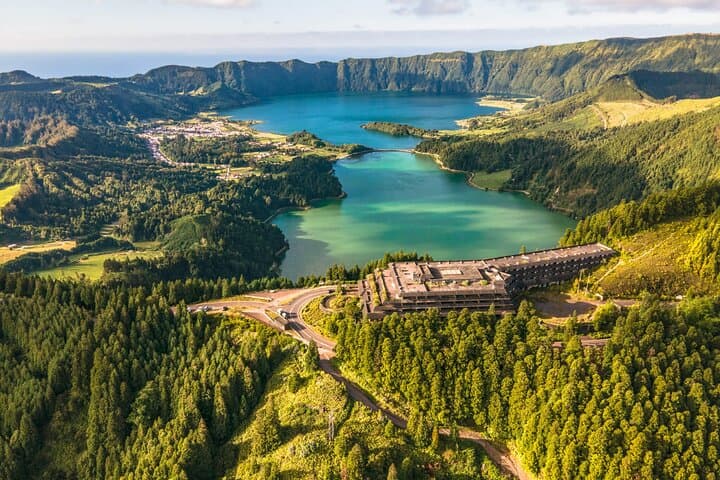
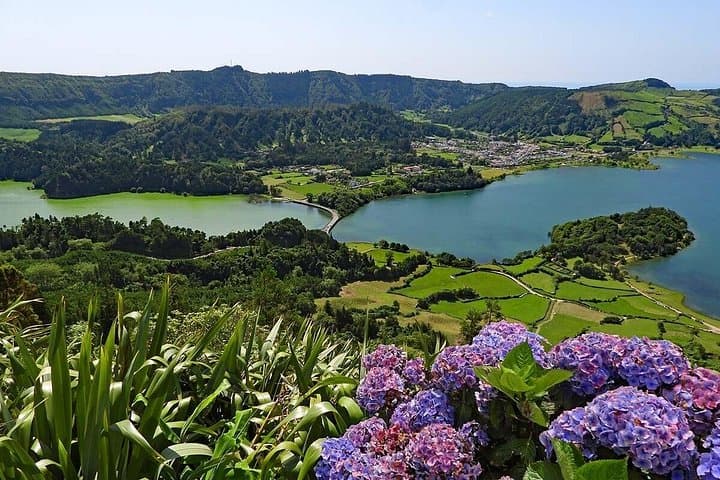
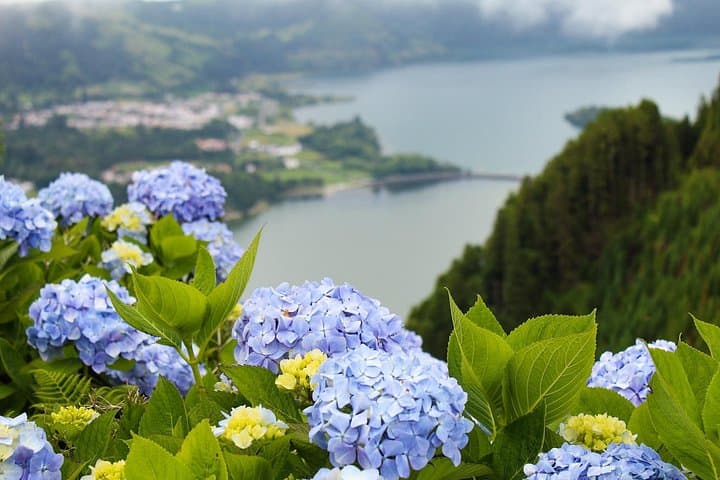
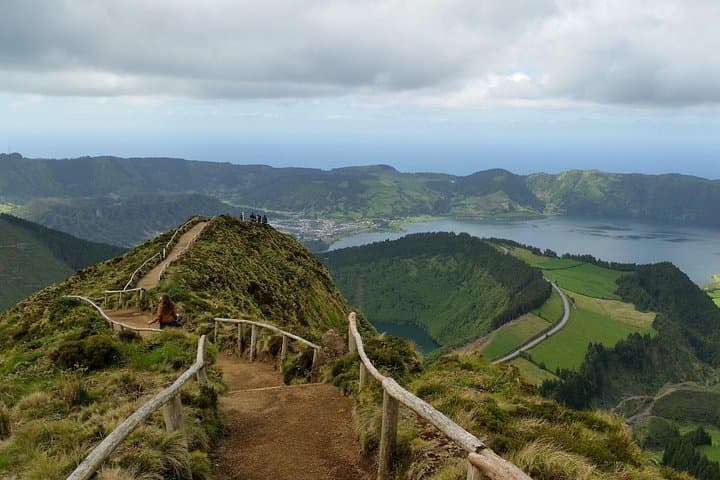
On this full-day route you’ll move from high viewpoints to sheltered forest clearings: Mata do Canário’s endemic laurel and ferns, Lagoa do Canário’s emerald surface, then the dramatic overlook onto the twin lakes of Sete Cidades. Nature here is not polite — cliffs demand attention, currents in coastal coves pull at swimmers — but the island’s communities answer with simple flavors: a home-style lunch, liqueur and a chance to taste pineapple preserves.
Practical guide: expect about eight hours including short walks and viewpoints; the tour provides round-trip hotel transport and lunch. Layers, waterproof midweight outerwear and sturdy shoes are sensible: trails can be muddy and winds change fast. Bring water, a light daypack and a camera with extra battery — the light shifts quickly across the caldera. Travel mid-morning for softer light at the lagoons and aim to avoid busiest weekends for quieter viewpoints.
easy.
8 hours.
Suitable for most fitness levels; includes short, low-gradient walks and standing at viewpoints
Yes, a traditional Portuguese lunch is included in the tour price.
Round-trip transportation to and from hotels on São Miguel is included; confirm your pickup point at booking.
Only short walks and viewpoint access—suitable for all fitness levels with mostly low gradients.
Yes, the operator reserves the right to cancel for severe weather; full refunds are offered if canceled at least 24 hours before departure.
The island’s calderas and lakes trace back to explosive volcanic events and collapse; glasshouse pineapple culture dates to the 19th century when imported techniques created a local specialty.
The caldera ecosystems are fragile and home to endemic species; visitors are encouraged to stay on paths, avoid introducing plant material, and support local guides who practice low-impact tourism.
AzoresLandTours operates guided outdoor trips and adventures with an emphasis on safety, stewardship, and memorable experiences.
You step off the van at a rim of green and blue: steam-soft hills fall away to Lagoa do Fogo, the crater lake that still seems to be breathing. The wind pulls at your jacket and the caldera answers with a bowl of cloud and sunlight; the pine plantations farther west smell faintly of resin and ripening fruit.
You step off the van at a rim of green and blue: steam-soft hills fall away to Lagoa do Fogo, the crater lake that still seems to be breathing. The wind pulls at your jacket and the caldera answers with a bowl of cloud and sunlight; the pine plantations farther west smell faintly of resin and ripening fruit.
São Miguel’s landscape is written in fire and ice — volcanic collapses, eruptive cones and ocean-sculpted coasts. Lagoa do Fogo formed after a major collapse about 15,000 years ago; Sete Cidades occupies a larger caldera whose twin lakes reflect how the island’s geology steered settlement and agriculture. Pineapple greenhouses here are a local oddity: Victorian-era glasshouses that created a distinct Azorean crop, the island’s pineapple prized for its sweetness and artisanal jams.
On this full-day route you’ll move from high viewpoints to sheltered forest clearings: Mata do Canário’s endemic laurel and ferns, Lagoa do Canário’s emerald surface, then the dramatic overlook onto the twin lakes of Sete Cidades. Nature here is not polite — cliffs demand attention, currents in coastal coves pull at swimmers — but the island’s communities answer with simple flavors: a home-style lunch, liqueur and a chance to taste pineapple preserves.
Practical guide: expect about eight hours including short walks and viewpoints; the tour provides round-trip hotel transport and lunch. Layers, waterproof midweight outerwear and sturdy shoes are sensible: trails can be muddy and winds change fast. Bring water, a light daypack and a camera with extra battery — the light shifts quickly across the caldera. Travel mid-morning for softer light at the lagoons and aim to avoid busiest weekends for quieter viewpoints.