THE ADVENTURE COLLECTIVE® · Independent discovery and booking for outdoor travel

Walk the first European streets in the Americas, explore 15th-century monuments and cool off in the Dominican Republic’s largest cenote. This full-day experience pairs history, geology and local flavors for an accessible cultural-adventure.
Walk the first European streets in the Americas, explore 15th-century monuments and cool off in the Dominican Republic’s largest cenote. This full-day experience pairs history, geology and local flavors for an accessible cultural-adventure.
Cobblestones click underfoot as the morning light slants through narrow streets; a salty breeze from the Ozama River carries the roll of distant traffic and the bright chatter of a market waking up. In Santo Domingo’s Colonial Zone, stone facades and wrought-iron balconies frame a walk through the very streets where Europeans first built permanent settlements in the Americas.
Verified experiences and guided adventures in the surrounding area.
Operated by PUNTACA TOURS · Santo Domingo, Distrito Nacional
Cobblestones click underfoot as the morning light slants through narrow streets; a salty breeze from the Ozama River carries the roll of distant traffic and the bright chatter of a market waking up. In Santo Domingo’s Colonial Zone, stone facades and wrought-iron balconies frame a walk through the very streets where Europeans first built permanent settlements in the Americas.
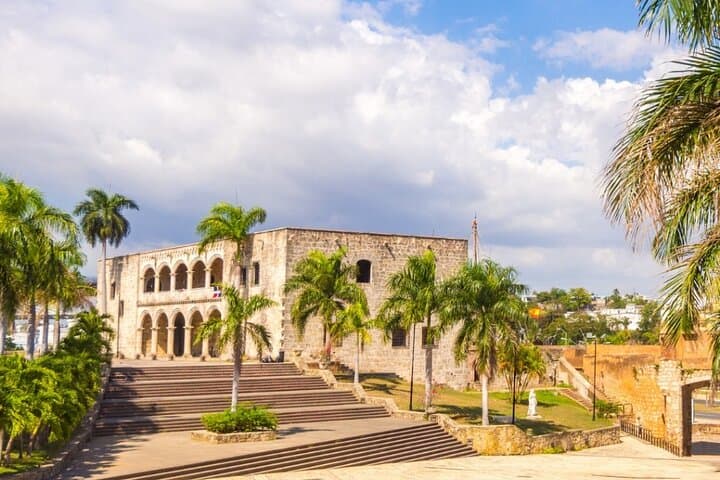
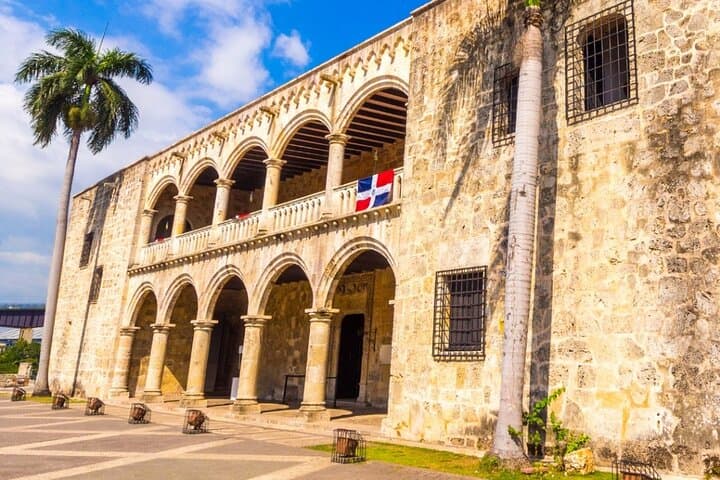
The tour moves from the oldest paved streets—Las Damas—to the defensive silhouette of the Fortaleza Ozama and the Primate Cathedral of America, each a 15th- and 16th-century marker of Spanish colonial ambition. Geologically, the nearby cenote you visit is a karst sinkhole carved from limestone over millennia; its clear, cool water contrasts with the city’s warm coastal air and offers a striking natural counterpoint to stone and plaza.
Culturally the day blends history with contemporary Dominican life: expect local rhythms in music and food, a typical buffet lunch, and opportunities to observe artisans and small neighborhood markets. Guides frequently point out architectural details and the social threads that link today’s city to its colonial past.
Practical guidance: wear sturdy walking shoes for uneven cobbles, bring swimwear and a quick-dry towel for the cenote, and use reef-safe sunscreen. Modest dress is required for cathedral visits; carry small cash for souvenirs and tips. Schedule this full-day outing earlier in the week to avoid weekend crowds, and prepare for several short walks and stair sections—easy pace but active. Respect fragile sites and avoid applying lotions before entering the cenote to protect water quality.
easy.
8 hours.
Suitable for most fitness levels; involves several short walks and some stairs
Most listed monuments are viewed from a guided walking route; some sites like the Alcázar de Colón may have separate admission—check the itinerary or guide on arrival.
Yes—participants typically have time to swim; bring swimwear and avoid lotions before entering to protect water quality.
Yes, the tour is family-friendly; infants may need to sit on an adult’s lap during transport and strollers are manageable on flatter sections.
Round-trip air-conditioned transport is provided; pickup details and specific meeting points are confirmed at booking.
Santo Domingo’s Colonial Zone grew from late 15th-century Spanish settlements and contains the continent’s earliest European cathedral, fortress and civic architecture.
Visitors should avoid applying non-biodegradable sunscreens before swimming in the cenote and stick to marked paths to protect fragile masonry and local plant life.
PUNTACA TOURS operates guided outdoor trips and adventures with an emphasis on safety, stewardship, and memorable experiences.
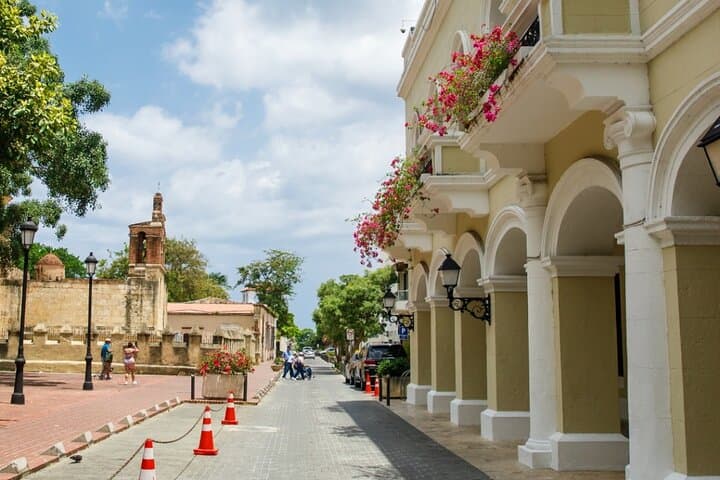
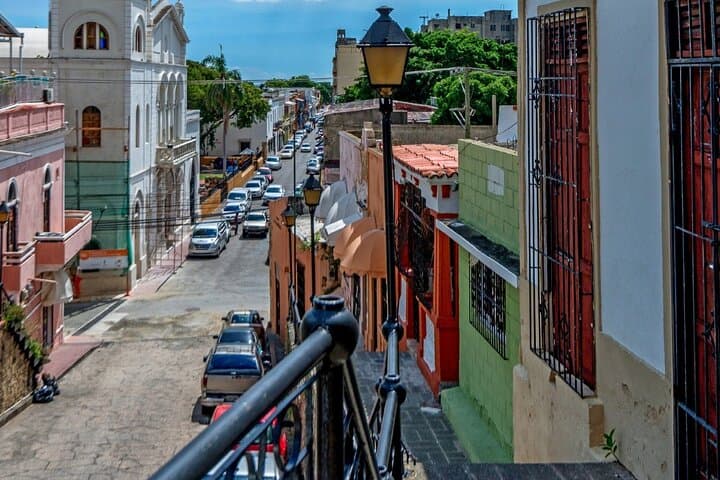
Cobblestones click underfoot as the morning light slants through narrow streets; a salty breeze from the Ozama River carries the roll of distant traffic and the bright chatter of a market waking up. In Santo Domingo’s Colonial Zone, stone facades and wrought-iron balconies frame a walk through the very streets where Europeans first built permanent settlements in the Americas.
Cobblestones click underfoot as the morning light slants through narrow streets; a salty breeze from the Ozama River carries the roll of distant traffic and the bright chatter of a market waking up. In Santo Domingo’s Colonial Zone, stone facades and wrought-iron balconies frame a walk through the very streets where Europeans first built permanent settlements in the Americas.
The tour moves from the oldest paved streets—Las Damas—to the defensive silhouette of the Fortaleza Ozama and the Primate Cathedral of America, each a 15th- and 16th-century marker of Spanish colonial ambition. Geologically, the nearby cenote you visit is a karst sinkhole carved from limestone over millennia; its clear, cool water contrasts with the city’s warm coastal air and offers a striking natural counterpoint to stone and plaza.
Culturally the day blends history with contemporary Dominican life: expect local rhythms in music and food, a typical buffet lunch, and opportunities to observe artisans and small neighborhood markets. Guides frequently point out architectural details and the social threads that link today’s city to its colonial past.
Practical guidance: wear sturdy walking shoes for uneven cobbles, bring swimwear and a quick-dry towel for the cenote, and use reef-safe sunscreen. Modest dress is required for cathedral visits; carry small cash for souvenirs and tips. Schedule this full-day outing earlier in the week to avoid weekend crowds, and prepare for several short walks and stair sections—easy pace but active. Respect fragile sites and avoid applying lotions before entering the cenote to protect water quality.