THE ADVENTURE COLLECTIVE® · Independent discovery and booking for outdoor travel

A full‑day private drive from Marrakech brings you to Safi’s wind‑cut citadel, working pottery quarter, and Atlantic corniche. Expect hands‑on pottery displays, fresh seafood, and a 10–12 hour round trip with time for wandering the medina and seaside viewpoints.
A full‑day private drive from Marrakech brings you to Safi’s wind‑cut citadel, working pottery quarter, and Atlantic corniche. Expect hands‑on pottery displays, fresh seafood, and a 10–12 hour round trip with time for wandering the medina and seaside viewpoints.
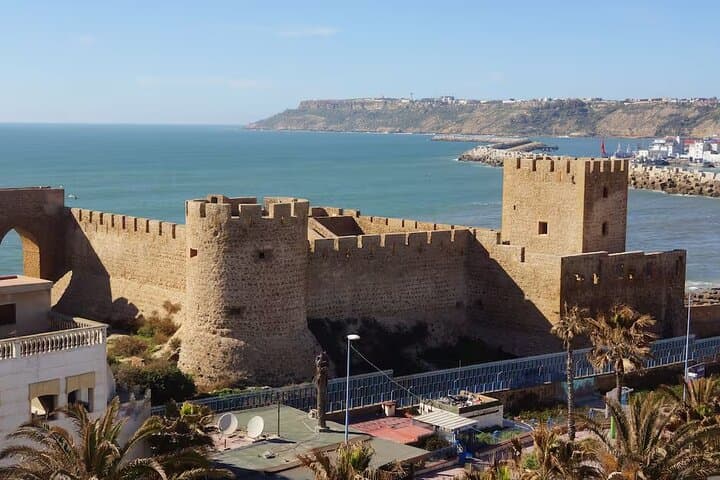
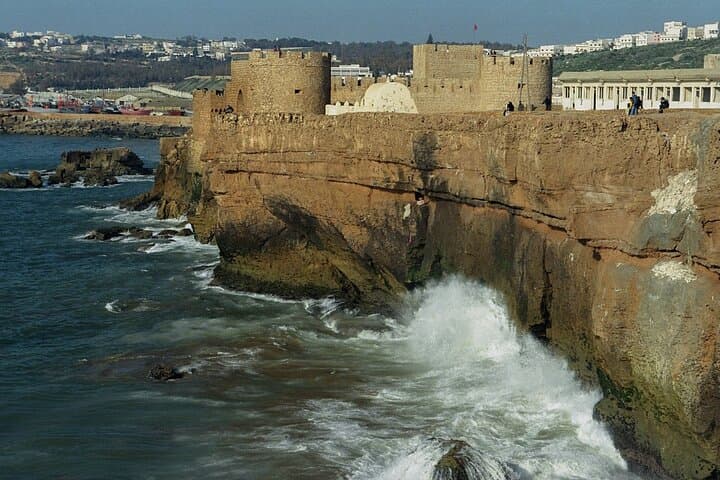
You leave Marrakech before dawn, the Atlas foothills shrinking behind the car as the plains open and the Atlantic begins to glint like a distant promise. By mid‑morning the Portuguese citadel crowns the headland above Safi, its stone walls framing a restless ocean that seems to dare visitors to lean closer and listen.
Verified experiences and guided adventures in the surrounding area.
Operated by Starry Morocco Tours · Safi, Marrakesh-Safi
You leave Marrakech before dawn, the Atlas foothills shrinking behind the car as the plains open and the Atlantic begins to glint like a distant promise. By mid‑morning the Portuguese citadel crowns the headland above Safi, its stone walls framing a restless ocean that seems to dare visitors to lean closer and listen.
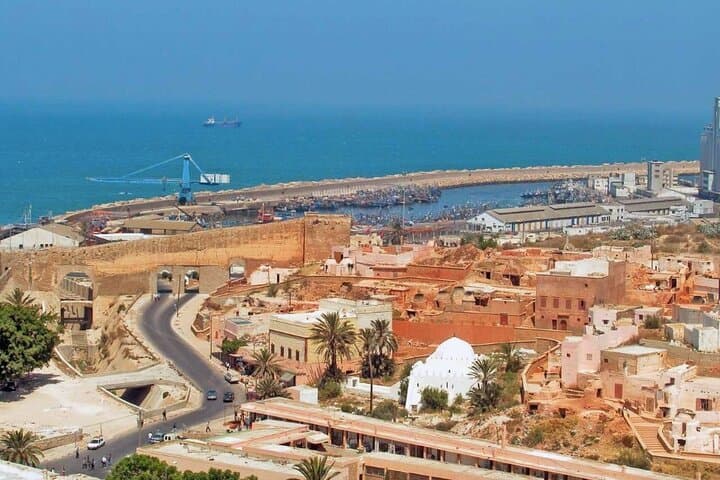
Safi’s identity is written in clay and salt. The city’s pottery quarter grew from local clay deposits and centuries of maritime trade; Portuguese and later Ottoman influences left fortifications and narrow alleys that now channel fishermen, artisans, and spice stalls. Geologically, the coastline here alternates rocky headlands and pockets of sediment where kilns have long drawn their fuel; the sea has shaped the town’s economy as much as its skyline.
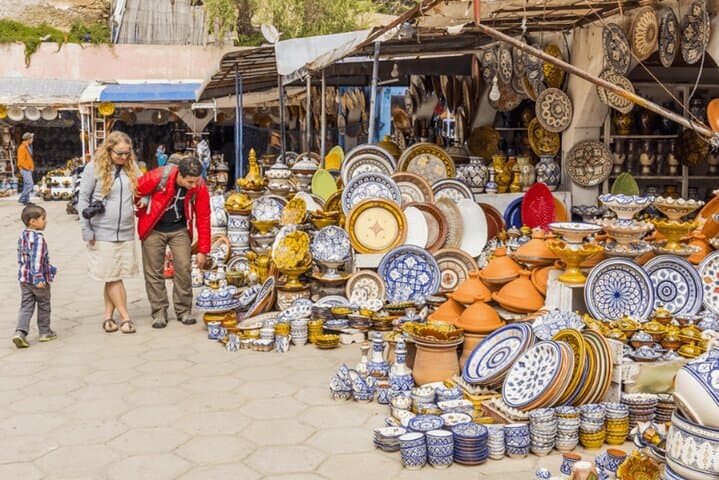
You’ll walk pottery workshops where blue‑glazed plates are shaped on slow, sure wheels, then thread the medina’s less‑touristed lanes to the fish market and corniche. The Sea Castle offers wind‑cut views and excellent photo angles, while a simple lunch of grilled sardines or tagine ties the day together.
Practical guidance: the round trip from Marrakech is about 300 km and 10–12 hours door‑to‑door, so plan for an early start and a late return. Wear sturdy shoes for cobbled medina streets and coastal rocks, carry water and cash for small purchases, and ask before photographing artisans. Respect workshop practices—many are family‑run and prefer you to admire before you shoot or touch. With a knowledgeable driver and a private schedule, this is a compact cultural plunge into Morocco’s Atlantic coast—engaging, tactile, and reliably scenic.
easy.
10–12 hours.
Suitable for most fitness levels; expect walking on uneven cobbles and short stair sections in medina and citadel.
Expect about 2.5–3 hours each way (roughly 150 km), depending on traffic and stops along the route.
This private day trip typically includes transport only—small entry fees for sites or optional museum admissions are usually paid on arrival.
The tour is family‑friendly, but medina streets and citadel steps can be uneven; mobility assistance may be limited in historic areas.
Yes—many workshops sell directly; bargaining is common but do so respectfully, and consider the artisan’s time and materials when negotiating.
Safi grew as a medieval port and became noted for ceramics; the 16th‑century Portuguese citadel marks its strategic Atlantic role during colonial contests.
Safi’s coast faces erosion and pressure from tourism—support local artisans directly and avoid buying ceramics of uncertain provenance to help protect cultural resources.
Starry Morocco Tours operates guided outdoor trips and adventures with an emphasis on safety, stewardship, and memorable experiences.
You leave Marrakech before dawn, the Atlas foothills shrinking behind the car as the plains open and the Atlantic begins to glint like a distant promise. By mid‑morning the Portuguese citadel crowns the headland above Safi, its stone walls framing a restless ocean that seems to dare visitors to lean closer and listen.
You leave Marrakech before dawn, the Atlas foothills shrinking behind the car as the plains open and the Atlantic begins to glint like a distant promise. By mid‑morning the Portuguese citadel crowns the headland above Safi, its stone walls framing a restless ocean that seems to dare visitors to lean closer and listen.
Safi’s identity is written in clay and salt. The city’s pottery quarter grew from local clay deposits and centuries of maritime trade; Portuguese and later Ottoman influences left fortifications and narrow alleys that now channel fishermen, artisans, and spice stalls. Geologically, the coastline here alternates rocky headlands and pockets of sediment where kilns have long drawn their fuel; the sea has shaped the town’s economy as much as its skyline.
You’ll walk pottery workshops where blue‑glazed plates are shaped on slow, sure wheels, then thread the medina’s less‑touristed lanes to the fish market and corniche. The Sea Castle offers wind‑cut views and excellent photo angles, while a simple lunch of grilled sardines or tagine ties the day together.
Practical guidance: the round trip from Marrakech is about 300 km and 10–12 hours door‑to‑door, so plan for an early start and a late return. Wear sturdy shoes for cobbled medina streets and coastal rocks, carry water and cash for small purchases, and ask before photographing artisans. Respect workshop practices—many are family‑run and prefer you to admire before you shoot or touch. With a knowledgeable driver and a private schedule, this is a compact cultural plunge into Morocco’s Atlantic coast—engaging, tactile, and reliably scenic.