THE ADVENTURE COLLECTIVE® · Independent discovery and booking for outdoor travel

Three days from Lisbon through Sintra’s palaces, Cabo da Roca’s cliffs, medieval Óbidos, Nazaré’s fishing culture and Évora’s Roman past — a guided loop mixing coastal views, UNESCO sites and regional flavors.
Three days from Lisbon through Sintra’s palaces, Cabo da Roca’s cliffs, medieval Óbidos, Nazaré’s fishing culture and Évora’s Roman past — a guided loop mixing coastal views, UNESCO sites and regional flavors.
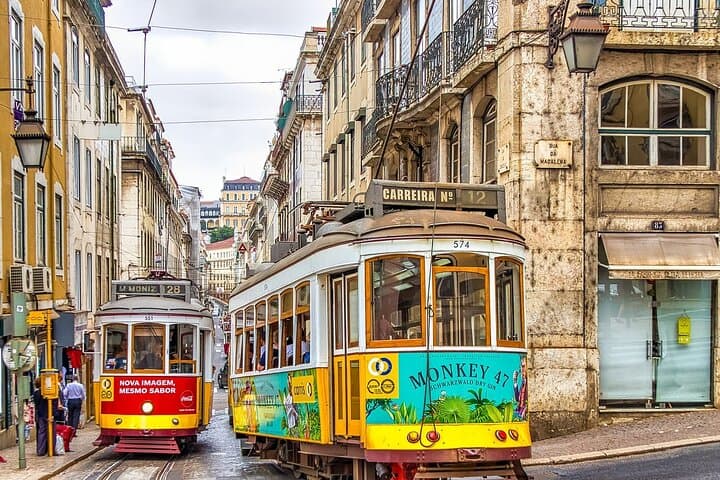
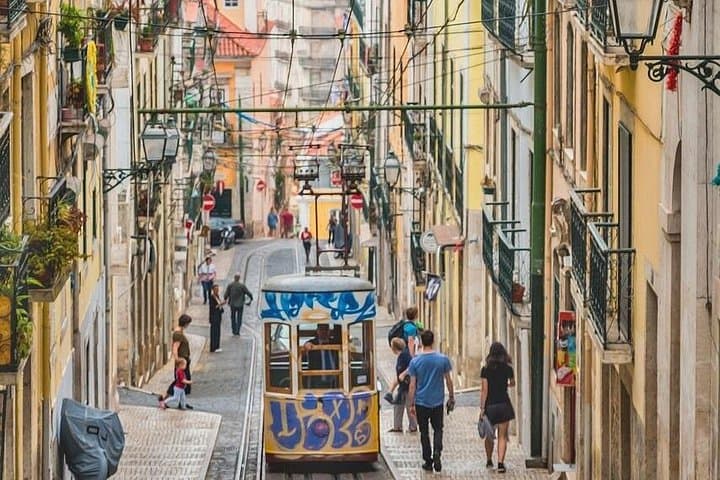
Morning in Lisbon feels like a wake-up call: tram bells ping as the bus pulls away from Praça do Marquês, the Tagus opening up ahead like a pale sheet of promise. Over three days this guided loop moves from the mist-veined heights of Sintra to the windswept cliffs of Cabo da Roca, then inland through medieval Óbidos and monastic Alcobaça to the surf town of Nazaré, the Gothic aisles of Batalha and the pilgrimage hush of Fátima, finishing with Évora’s Roman columns and a Moscatel tasting in Azeitão.
Verified experiences and guided adventures in the surrounding area.
Operated by REMAZ TOURS GmbH · Lisbon, Lisbon
Morning in Lisbon feels like a wake-up call: tram bells ping as the bus pulls away from Praça do Marquês, the Tagus opening up ahead like a pale sheet of promise. Over three days this guided loop moves from the mist-veined heights of Sintra to the windswept cliffs of Cabo da Roca, then inland through medieval Óbidos and monastic Alcobaça to the surf town of Nazaré, the Gothic aisles of Batalha and the pilgrimage hush of Fátima, finishing with Évora’s Roman columns and a Moscatel tasting in Azeitão.
The region stitches together centuries of history: Sintra’s 19th‑century Romantic palaces perched on older medieval and Moorish foundations; Alcobaça and Batalha as monuments to Portugal’s Gothic and maritime age; Évora holding remnants of Roman and medieval power. Geology shifts quickly — granite and schist of the Sintra massif, coastal limestone at Cabo da Roca, and the Alentejo’s rolling, cork‑studded plains — giving the landscape distinct textures and weather moods.
Culturally the trip balances pilgrimage, fishing village life and wine tradition — expect simple, seafood-forward lunches in Nazaré and structured wine tastings near Setúbal. Guides typically handle logistics and hotel check-ins, leaving free time for short walks, local sweets (queijadas) and viewpoint stops.
Practical notes: wear sturdy walking shoes for uneven streets and short hikes, bring a light rain layer and sun protection, and carry small change for markets. Pick days wisely if you want to attend mass at Fátima or catch big waves at Nazaré. The pace is sightseeing-friendly but busy — good for travelers who want curated exposure to Portugal’s coastal and inland highlights without deep trekking.
easy.
3 days.
Suitable for travelers in average fitness; expect short walks, stairs and some standing at sites
Pick up and drop off are in central Lisbon (Pombal Square); specific pickup point is confirmed at booking.
The tour description notes tickets and some inclusions vary—verify which monuments include admission when booking.
Yes; the pace is sightseeing-friendly with minimal physical demand, but there is a lot of time on your feet and some stair climbing.
Guides can usually arrange alternatives for common dietary requirements if notified at booking; bring specifics in advance.
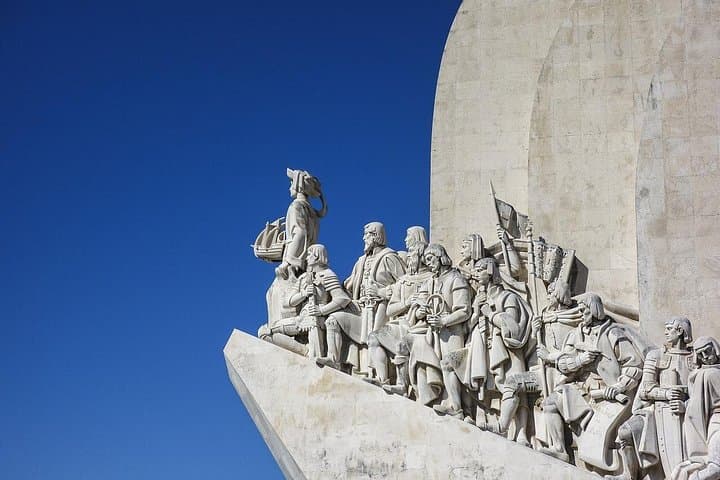
The itinerary links several UNESCO sites and medieval monuments that chart Portugal’s rise in the Gothic and Age-of-Discovery eras, from monastic foundations to coastal lookouts.
Protect cork oak landscapes and fragile coastal cliffs by sticking to marked paths; choose local vendors to support sustainable rural economies.
REMAZ TOURS GmbH operates guided outdoor trips and adventures with an emphasis on safety, stewardship, and memorable experiences.
Morning in Lisbon feels like a wake-up call: tram bells ping as the bus pulls away from Praça do Marquês, the Tagus opening up ahead like a pale sheet of promise. Over three days this guided loop moves from the mist-veined heights of Sintra to the windswept cliffs of Cabo da Roca, then inland through medieval Óbidos and monastic Alcobaça to the surf town of Nazaré, the Gothic aisles of Batalha and the pilgrimage hush of Fátima, finishing with Évora’s Roman columns and a Moscatel tasting in Azeitão.
Morning in Lisbon feels like a wake-up call: tram bells ping as the bus pulls away from Praça do Marquês, the Tagus opening up ahead like a pale sheet of promise. Over three days this guided loop moves from the mist-veined heights of Sintra to the windswept cliffs of Cabo da Roca, then inland through medieval Óbidos and monastic Alcobaça to the surf town of Nazaré, the Gothic aisles of Batalha and the pilgrimage hush of Fátima, finishing with Évora’s Roman columns and a Moscatel tasting in Azeitão.
The region stitches together centuries of history: Sintra’s 19th‑century Romantic palaces perched on older medieval and Moorish foundations; Alcobaça and Batalha as monuments to Portugal’s Gothic and maritime age; Évora holding remnants of Roman and medieval power. Geology shifts quickly — granite and schist of the Sintra massif, coastal limestone at Cabo da Roca, and the Alentejo’s rolling, cork‑studded plains — giving the landscape distinct textures and weather moods.
Culturally the trip balances pilgrimage, fishing village life and wine tradition — expect simple, seafood-forward lunches in Nazaré and structured wine tastings near Setúbal. Guides typically handle logistics and hotel check-ins, leaving free time for short walks, local sweets (queijadas) and viewpoint stops.
Practical notes: wear sturdy walking shoes for uneven streets and short hikes, bring a light rain layer and sun protection, and carry small change for markets. Pick days wisely if you want to attend mass at Fátima or catch big waves at Nazaré. The pace is sightseeing-friendly but busy — good for travelers who want curated exposure to Portugal’s coastal and inland highlights without deep trekking.