THE ADVENTURE COLLECTIVE® · Independent discovery and booking for outdoor travel

Walk Pompeii with fast access and an expert guide: explore frescoed homes, the Amphitheater, and streets frozen by Vesuvius. Practical route notes and on-site tips prepare you for uneven cobbles and sudden weather.
Walk Pompeii with fast access and an expert guide: explore frescoed homes, the Amphitheater, and streets frozen by Vesuvius. Practical route notes and on-site tips prepare you for uneven cobbles and sudden weather.
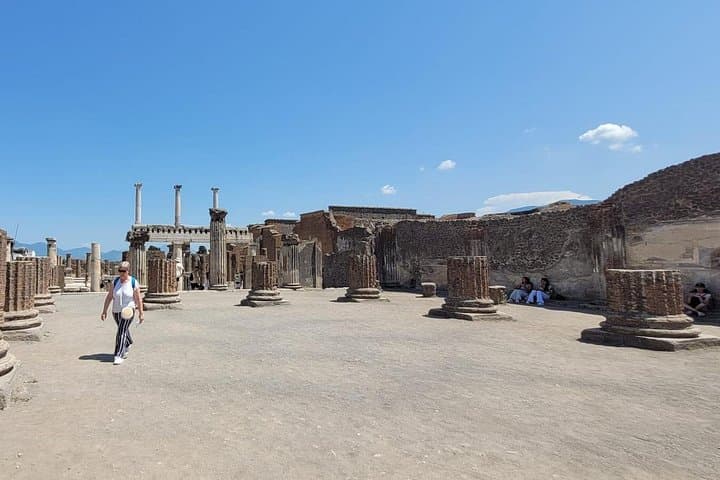
You step through a low Roman gate and the heat of Vesuvius’ shadow settles over a street once busy with traders and bakers.
Verified experiences and guided adventures in the surrounding area.
Operated by Di Sarno Car Service - Tours & Excursions · Pompeii, Campania
You step through a low Roman gate and the heat of Vesuvius’ shadow settles over a street once busy with traders and bakers.
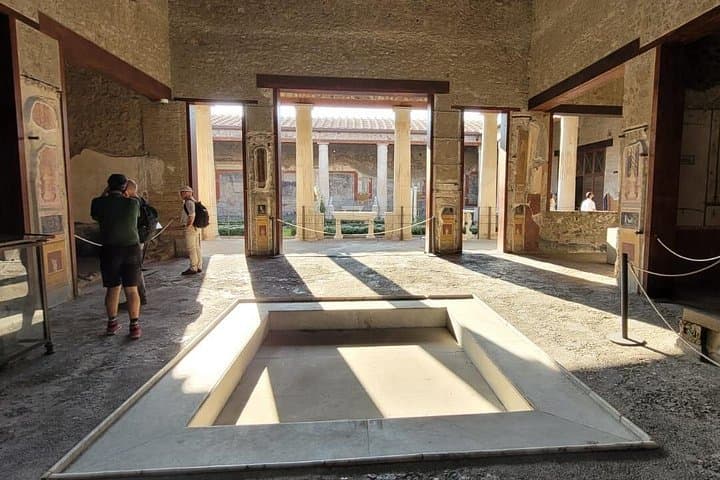
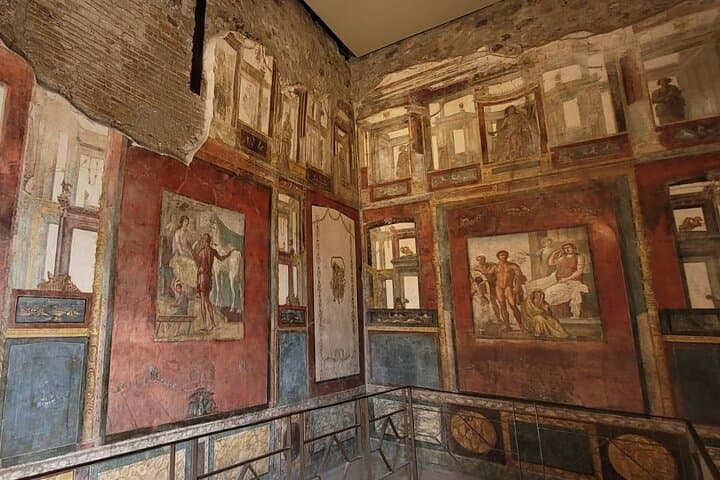
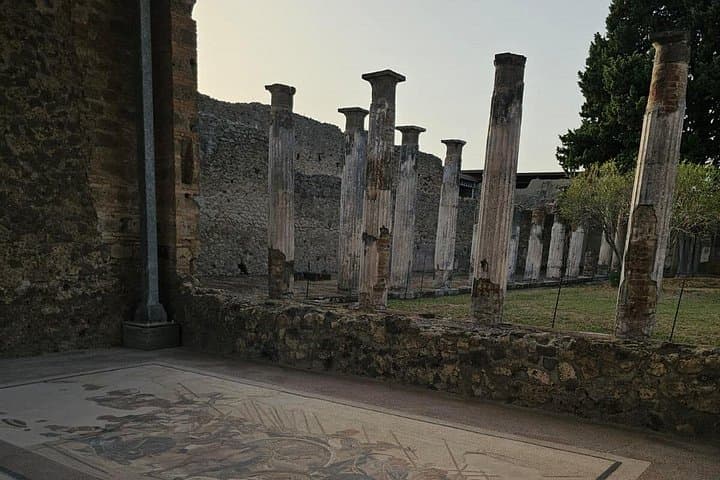
Stones underfoot are smoothed by two thousand years of passage; plastered house fronts still hold flashes of pigment and floors glow with tessellated mosaics. This four-hour, guided visit moves at a measured pace—about two hours inside the archaeological park—letting frescoed rooms and the Amphitheater speak louder than a hurried itinerary.
Pompeii’s story is geological and human: a sudden eruption of Mount Vesuvius in AD 79 sealed an entire Roman town in ash, preserving everyday detail from shop counters to skeletons in courtrooms. The site sits on volcanic deposits and fertile Campanian plains—local crafts, like coral workshops nearby, recall the region’s long trade connections across the Bay of Naples.
Expect guided stops at the Temple of Apollo, House of the Faun, and the Amphitheater, plus commentary on urban planning, water systems, and the eruption’s forensic archaeology. The route is mostly flat but uneven underfoot; ancient cobbles and raised sidewalks demand attentive steps.
Practical things: arrive hydrated, wear sturdy shoes, and plan for sun or sudden rain. Facilities and shaded rest areas are spread through the park, but services are limited—carry snacks if you need them. If mobility is a concern, inform the operator ahead—wheelchair-accessible options exist but may limit which alleys you can enter.
A fast-access ticket paired with a knowledgeable guide turns ruins into a living map of Roman life—immediate, tactile, and surprisingly intimate.
easy.
4 hours.
Light walking fitness is sufficient; be prepared for up to two hours of standing and walking on uneven terrain.
Yes—official entrance tickets to the archaeological site are included in the tour price, providing fast access as described.
The tour is listed as wheelchair accessible; notify the operator in advance so they can arrange suitable transport and advise which parts of the ruins are navigable.
Pick-up is offered from the Stazione Marittima cruise terminal and Ramada by Wyndham Naples; transfer details are collected at booking.
Infants can use strollers for parts of the visit, but safety rules require infants to have a separate seat in vehicles; car seats can be requested.
Pompeii was buried by Vesuvius’ AD 79 eruption, preserving streets, homes, and public buildings and creating one of the world’s most important archaeological records of Roman daily life.
Conservation efforts balance visitor access with preservation; follow marked paths and avoid touching walls or mosaics to minimize wear and support ongoing restoration.
Di Sarno Car Service - Tours & Excursions operates guided outdoor trips and adventures with an emphasis on safety, stewardship, and memorable experiences.
You step through a low Roman gate and the heat of Vesuvius’ shadow settles over a street once busy with traders and bakers.
You step through a low Roman gate and the heat of Vesuvius’ shadow settles over a street once busy with traders and bakers.
Stones underfoot are smoothed by two thousand years of passage; plastered house fronts still hold flashes of pigment and floors glow with tessellated mosaics. This four-hour, guided visit moves at a measured pace—about two hours inside the archaeological park—letting frescoed rooms and the Amphitheater speak louder than a hurried itinerary.
Pompeii’s story is geological and human: a sudden eruption of Mount Vesuvius in AD 79 sealed an entire Roman town in ash, preserving everyday detail from shop counters to skeletons in courtrooms. The site sits on volcanic deposits and fertile Campanian plains—local crafts, like coral workshops nearby, recall the region’s long trade connections across the Bay of Naples.
Expect guided stops at the Temple of Apollo, House of the Faun, and the Amphitheater, plus commentary on urban planning, water systems, and the eruption’s forensic archaeology. The route is mostly flat but uneven underfoot; ancient cobbles and raised sidewalks demand attentive steps.
Practical things: arrive hydrated, wear sturdy shoes, and plan for sun or sudden rain. Facilities and shaded rest areas are spread through the park, but services are limited—carry snacks if you need them. If mobility is a concern, inform the operator ahead—wheelchair-accessible options exist but may limit which alleys you can enter.
A fast-access ticket paired with a knowledgeable guide turns ruins into a living map of Roman life—immediate, tactile, and surprisingly intimate.