THE ADVENTURE COLLECTIVE® · Independent discovery and booking for outdoor travel

This two-day private tour pairs Pisac’s living market and sacred lagoons with the dramatic highland fortress of Waqrapukara. Expect cultural encounters, steep stone steps and a demanding high-altitude hike on day two.
This two-day private tour pairs Pisac’s living market and sacred lagoons with the dramatic highland fortress of Waqrapukara. Expect cultural encounters, steep stone steps and a demanding high-altitude hike on day two.
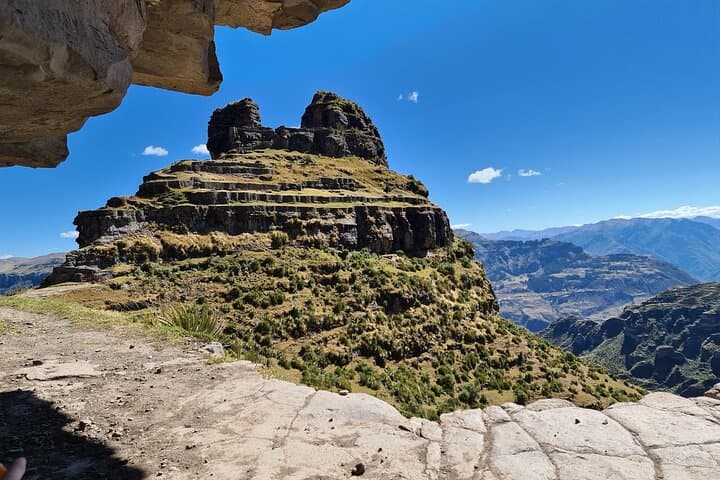
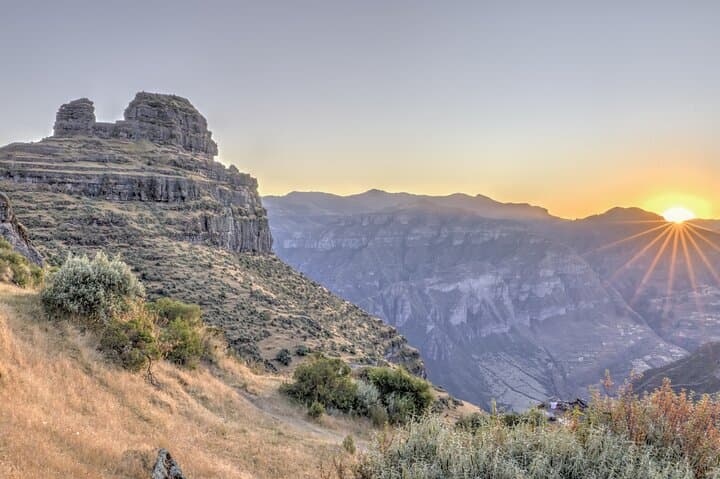
You climb into a private vehicle before dawn, Cusco shrinking behind you as the Andes rearrange themselves into sharper ridgelines. By midmorning the town of Pisac opens its market and the air tastes of roasted corn and wood-fired empanadas; later, high on a limestone shoulder, Waqrapukara rises like a carved horn against the sky.
Verified experiences and guided adventures in the surrounding area.
Operated by Travel Cusco G · Cusco, Cusco Region
You climb into a private vehicle before dawn, Cusco shrinking behind you as the Andes rearrange themselves into sharper ridgelines. By midmorning the town of Pisac opens its market and the air tastes of roasted corn and wood-fired empanadas; later, high on a limestone shoulder, Waqrapukara rises like a carved horn against the sky.
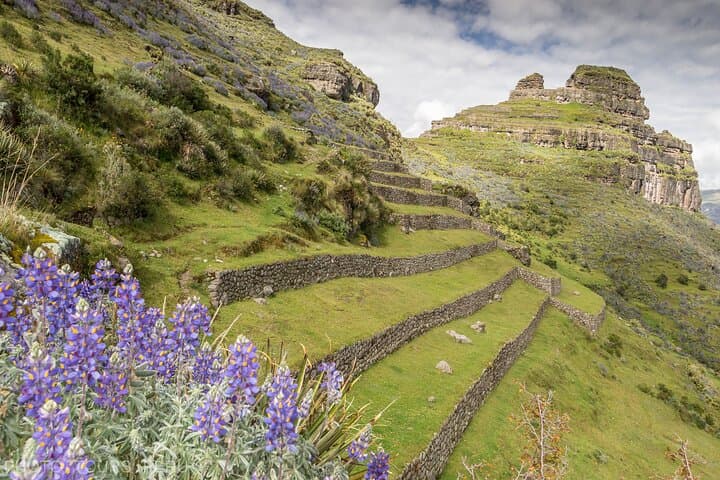
The route threads Inca terraces, highland lagoons and colonial plazas. Pisac’s terraces and Kinsa Qocha lagoons sit on volcanic-andesitic soils carved by glacial action and centuries of agriculture; the Waqrapukara complex, sculpted from local sandstone and volcanic bedrock, reads like a fortified promontory with ceremonial niches — engineers and priests shaping a landscape of defense and ritual.
Culture here is active: llama- and alpaca herders, artisan weavers and condor conservationists all intersect on the trail. Expect short stone stair climbs at Pisac and a longer, steeper approach to Waqrapukara with loose scree and switchbacks.
Practically: the second day is an early start (pre-dawn pickup) and a 4–5 hour round-trip trek to Waqrapukara of roughly 6–9 km with 600–800 m of ascent on uneven ground at high elevation. Private transport, two lunches, a local culinary stop and entry to Waqrapukara are included. Acclimatize 24–48 hours in Cusco, carry 2–3 liters of water, layered clothing and sun protection. Footing can be exposed; poles help on descent. The itinerary balances cultural stops with sustained highland hiking — a concise two-day window into the Sacred Valley’s living landscape and its high-altitude fortress.
challenging.
2 days (approx. 8–10 hours of walking total).
Good cardiovascular fitness; able to hike 6–9 km with sustained uphill at high altitude
Yes — entry to the Waqrapukara archaeological complex is included in the itinerary.
Pickup is typically around 3:00 AM to reach the trailhead before sunrise and complete the hike in daylight.
The tour includes steep, high-altitude hiking; older children who tolerate altitude and can manage uneven terrain can participate, but check fitness and health considerations first.
Yes — symptoms are possible. Acclimatize in Cusco, hydrate, avoid alcohol before hiking and consider prophylactic medication after consulting a physician.
Pisac combines Inca agricultural terraces and colonial architecture reflecting Spanish settlement; Waqrapukara is a pre-Columbian ceremonial-fortress complex built into a rocky ridge with a distinctive horn-like plan.
These sites are sensitive to erosion and visitor pressure—stay on marked trails, avoid touching masonry and support local guides and markets to channel tourism benefits into community conservation.
Travel Cusco G operates guided outdoor trips and adventures with an emphasis on safety, stewardship, and memorable experiences.

You climb into a private vehicle before dawn, Cusco shrinking behind you as the Andes rearrange themselves into sharper ridgelines. By midmorning the town of Pisac opens its market and the air tastes of roasted corn and wood-fired empanadas; later, high on a limestone shoulder, Waqrapukara rises like a carved horn against the sky.
You climb into a private vehicle before dawn, Cusco shrinking behind you as the Andes rearrange themselves into sharper ridgelines. By midmorning the town of Pisac opens its market and the air tastes of roasted corn and wood-fired empanadas; later, high on a limestone shoulder, Waqrapukara rises like a carved horn against the sky.
The route threads Inca terraces, highland lagoons and colonial plazas. Pisac’s terraces and Kinsa Qocha lagoons sit on volcanic-andesitic soils carved by glacial action and centuries of agriculture; the Waqrapukara complex, sculpted from local sandstone and volcanic bedrock, reads like a fortified promontory with ceremonial niches — engineers and priests shaping a landscape of defense and ritual.
Culture here is active: llama- and alpaca herders, artisan weavers and condor conservationists all intersect on the trail. Expect short stone stair climbs at Pisac and a longer, steeper approach to Waqrapukara with loose scree and switchbacks.
Practically: the second day is an early start (pre-dawn pickup) and a 4–5 hour round-trip trek to Waqrapukara of roughly 6–9 km with 600–800 m of ascent on uneven ground at high elevation. Private transport, two lunches, a local culinary stop and entry to Waqrapukara are included. Acclimatize 24–48 hours in Cusco, carry 2–3 liters of water, layered clothing and sun protection. Footing can be exposed; poles help on descent. The itinerary balances cultural stops with sustained highland hiking — a concise two-day window into the Sacred Valley’s living landscape and its high-altitude fortress.