THE ADVENTURE COLLECTIVE® · Independent discovery and booking for outdoor travel

From Amman to rose-red Petra and the plunging canyon of Wadi Mujib, this private day tour combines archeology and hands-on adventure. Expect a long but rewarding day: carved tombs, a canyoning option, and a Dead Sea alternative when the gorge is closed.
From Amman to rose-red Petra and the plunging canyon of Wadi Mujib, this private day tour combines archeology and hands-on adventure. Expect a long but rewarding day: carved tombs, a canyoning option, and a Dead Sea alternative when the gorge is closed.
The day begins before dawn as your driver eases out of Amman and the road opens toward rocks that change color with the angle of the sun. By midmorning you slip through the Siq into Petra — a city hewn from sandstone where tomb facades stare down with quiet authority and footsteps echo among carved columns. The air tastes dry and mineral; traders and Bedouin guides still thread the modern path through ancient streets.
Verified experiences and guided adventures in the surrounding area.
Operated by Camel Taxi · Wadi Musa, Ma'an Governorate
The day begins before dawn as your driver eases out of Amman and the road opens toward rocks that change color with the angle of the sun. By midmorning you slip through the Siq into Petra — a city hewn from sandstone where tomb facades stare down with quiet authority and footsteps echo among carved columns. The air tastes dry and mineral; traders and Bedouin guides still thread the modern path through ancient streets.
Petra was the Nabatean crossroads of caravan trade, a place where hydraulic engineering and rock-cut architecture met to shape one of Jordan’s most enduring sites. Geologically, the rose-red sandstone here records millennia of wind and water; beyond Petra, the Wadi Mujib gorge cuts sharply toward the Dead Sea, its steep walls and seasonal waterfalls channelling winter rains into flash floods.
Culturally, expect local hospitality in Wadi Musa and practical tourism infrastructure at both sites. Wadi Mujib is more than a view — it’s an active canyoning playground when open, with guided routes that let you climb, wade, and swim narrow waterfalls. When the reserve is closed in winter, most operators offer Dead Sea access as an alternative.
Practical guidance: plan for a 10–12 hour day, start early to avoid midday heat, and bring sun protection, swimwear, and sturdy shoes. Wadi Mujib can be slippery and is weather-dependent; follow guides’ instructions and check seasonal openings. Pace the visit at Petra — allow time for the Treasury, the Royal Tombs, and an uphill view — and leave energy for the canyon’s cool plunge if you choose the active route.
moderate.
10–12 hours.
Moderate fitness required: you’ll walk uneven terrain in Petra and may climb/wade in Wadi Mujib if taking the canyoning option.
No—Wadi Mujib's river canyon is seasonal; the reserve often closes in late autumn and winter due to flash-flood risk. Operators will substitute Dead Sea access when it’s closed.
This depends on the booking option; confirm if an all-inclusive ticket is selected or if entrance fees are payable locally.
Expect about 3 hours from Amman to Petra, then roughly 1–1.5 hours from Petra toward the Dead Sea/Wadi Mujib area; total round-trip driving makes for a full 10–12 hour day.
Petra involves long walks on uneven surfaces and steps; Wadi Mujib canyoning requires agility and swimming. This tour is best for children used to long days and travelers with moderate mobility.
Petra was the capital of the Nabatean kingdom (1st century BCE–1st century CE) and prospered as a trade hub before Roman annexation.
Wadi Mujib is a protected biosphere reserve—visit with certified guides, avoid leaving waste, and follow path and swimming restrictions to limit erosion and habitat disturbance.
Camel Taxi operates guided outdoor trips and adventures with an emphasis on safety, stewardship, and memorable experiences.
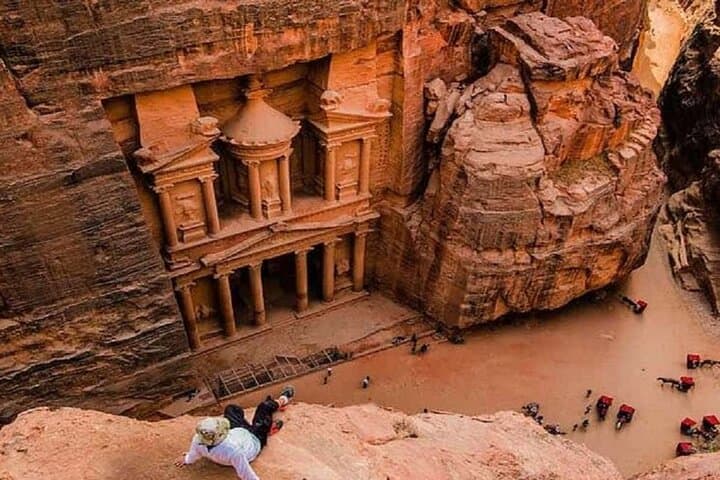
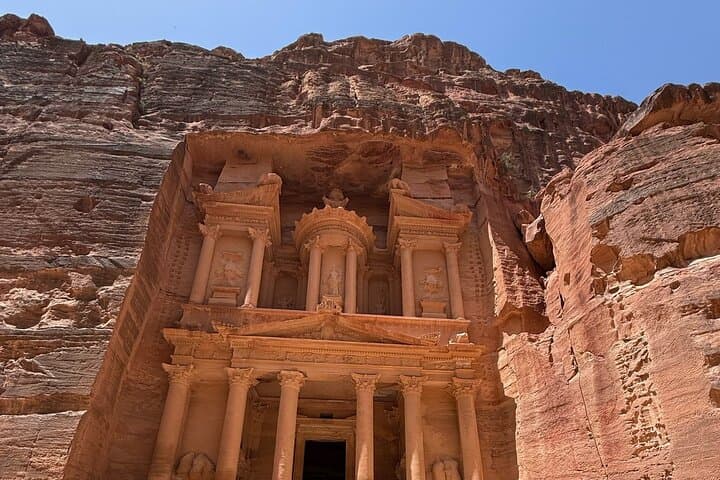
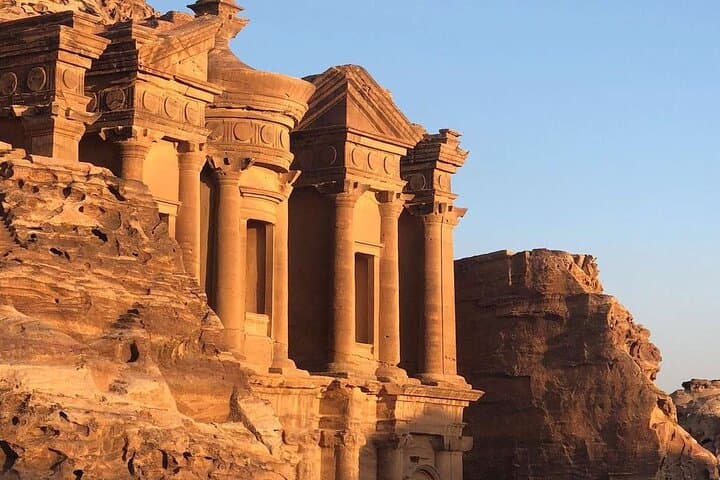
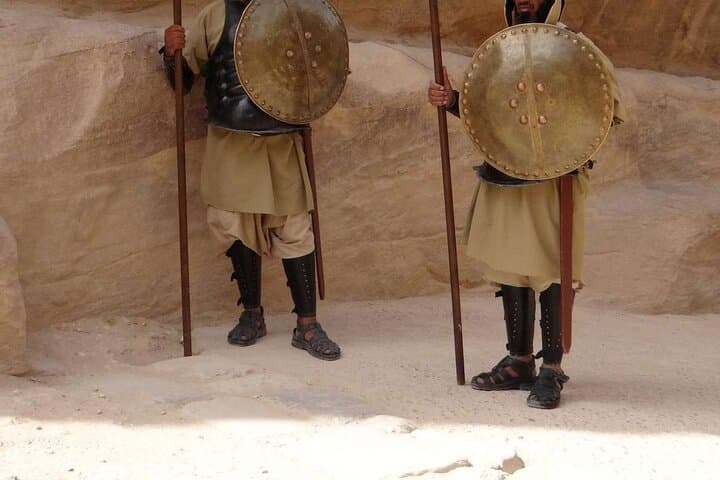
The day begins before dawn as your driver eases out of Amman and the road opens toward rocks that change color with the angle of the sun. By midmorning you slip through the Siq into Petra — a city hewn from sandstone where tomb facades stare down with quiet authority and footsteps echo among carved columns. The air tastes dry and mineral; traders and Bedouin guides still thread the modern path through ancient streets.
The day begins before dawn as your driver eases out of Amman and the road opens toward rocks that change color with the angle of the sun. By midmorning you slip through the Siq into Petra — a city hewn from sandstone where tomb facades stare down with quiet authority and footsteps echo among carved columns. The air tastes dry and mineral; traders and Bedouin guides still thread the modern path through ancient streets.
Petra was the Nabatean crossroads of caravan trade, a place where hydraulic engineering and rock-cut architecture met to shape one of Jordan’s most enduring sites. Geologically, the rose-red sandstone here records millennia of wind and water; beyond Petra, the Wadi Mujib gorge cuts sharply toward the Dead Sea, its steep walls and seasonal waterfalls channelling winter rains into flash floods.
Culturally, expect local hospitality in Wadi Musa and practical tourism infrastructure at both sites. Wadi Mujib is more than a view — it’s an active canyoning playground when open, with guided routes that let you climb, wade, and swim narrow waterfalls. When the reserve is closed in winter, most operators offer Dead Sea access as an alternative.
Practical guidance: plan for a 10–12 hour day, start early to avoid midday heat, and bring sun protection, swimwear, and sturdy shoes. Wadi Mujib can be slippery and is weather-dependent; follow guides’ instructions and check seasonal openings. Pace the visit at Petra — allow time for the Treasury, the Royal Tombs, and an uphill view — and leave energy for the canyon’s cool plunge if you choose the active route.