THE ADVENTURE COLLECTIVE® · Independent discovery and booking for outdoor travel

A compact 10-day road and rail journey through Peru’s coastal capital, high Andean plateaus, Colca Canyon and the Sacred Valley—culminating at Machu Picchu. Expect long scenic drives, altitude changes, and hands-on cultural visits to islands and villages.
A compact 10-day road and rail journey through Peru’s coastal capital, high Andean plateaus, Colca Canyon and the Sacred Valley—culminating at Machu Picchu. Expect long scenic drives, altitude changes, and hands-on cultural visits to islands and villages.
Morning fog lifts off Lima’s Pacific rim as the group gathers—city streets still murmuring, gulls daring the surf. Over ten days the trip slides south and up: colonial Arequipa with its white sillar façades; the high, wind-carved altiplano around Puno; the sacred curve of Lake Titicaca; the volcanic skyline and vertiginous drop into Colca; and finally, the terraces and stonework of Cusco and Machu Picchu.
Verified experiences and guided adventures in the surrounding area.
Operated by VIPAC Travel · Cusco, Cusco Region
Morning fog lifts off Lima’s Pacific rim as the group gathers—city streets still murmuring, gulls daring the surf. Over ten days the trip slides south and up: colonial Arequipa with its white sillar façades; the high, wind-carved altiplano around Puno; the sacred curve of Lake Titicaca; the volcanic skyline and vertiginous drop into Colca; and finally, the terraces and stonework of Cusco and Machu Picchu.
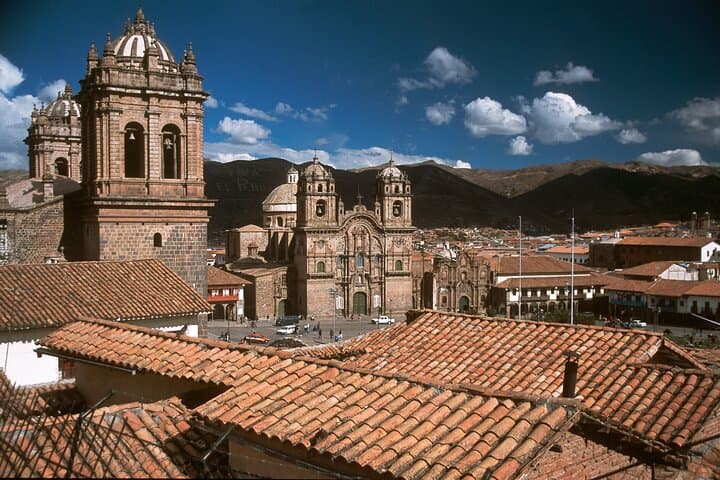
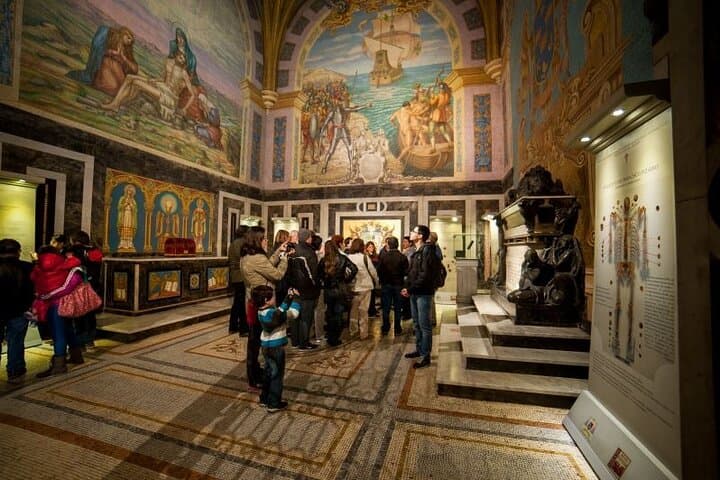
This itinerary threads centuries of history—pre-Inca stonework at Sacsayhuamán, Inca agricultural laboratories at Moray, colonial churches with baroque interiors, and the living traditions of Taquile island where textiles still follow ancestral patterns. Geologically the route traverses the Pacific coastal plain, the volcanic corridor around Arequipa (Misti, Chachani, Sabancaya), and the high Andes where altitudes top 4,300–4,900 m before descending to Machu Picchu’s cloud-wreathed 2,430 m.
Expect shared transfers, bilingual guides, and a mix of comfortable hotels and full-day drives—some stretches are long (Colca to Puno is ~6–7 hours). Machu Picchu access is via train (Expedition or Vistadome) plus shuttle bus up the switchbacks. Practical guidance: acclimatize in Cusco/Puno, hydrate and move slowly at high passes, pack layered clothing, and carry cash for markets and small island fees. Bring sturdy walking shoes for uneven Inca paths and a daypack for water, rain shell, and sun protection. With planning this trip balances cultural immersion and outdoor exploration—mountains that push you upward and history that keeps you grounded.
easy.
10 days.
Suitable for travelers in average fitness; some walking on uneven terrain and short hikes at altitude required
Yes—several days exceed 3,500 m. The itinerary is rated suitable for all fitness levels but plan to hydrate, rest, avoid alcohol on arrival, and consider prophylactic measures after consulting your doctor.
The tour uses either the Expedition or Vistadome train depending on availability; a train ticket is included but the exact service will be confirmed at booking.
Yes—admission to Machu Picchu is included; the operator notes visitor circuits may change and will confirm which circuit is available when issuing tickets.
Guides provide bilingual service and most meals can be adapted, but notify special dietary needs at booking so local restaurants can accommodate them.
The route traces pre-Columbian Inca infrastructure and later Spanish colonial influence—churches and plazas in Cusco and Arequipa overlay ancient stonework and ritual sites.
Visits to fragile sites follow regulated circuits to reduce impact; support local communities by buying crafts directly and sticking to marked trails.
VIPAC Travel operates guided outdoor trips and adventures with an emphasis on safety, stewardship, and memorable experiences.

Morning fog lifts off Lima’s Pacific rim as the group gathers—city streets still murmuring, gulls daring the surf. Over ten days the trip slides south and up: colonial Arequipa with its white sillar façades; the high, wind-carved altiplano around Puno; the sacred curve of Lake Titicaca; the volcanic skyline and vertiginous drop into Colca; and finally, the terraces and stonework of Cusco and Machu Picchu.
Morning fog lifts off Lima’s Pacific rim as the group gathers—city streets still murmuring, gulls daring the surf. Over ten days the trip slides south and up: colonial Arequipa with its white sillar façades; the high, wind-carved altiplano around Puno; the sacred curve of Lake Titicaca; the volcanic skyline and vertiginous drop into Colca; and finally, the terraces and stonework of Cusco and Machu Picchu.
This itinerary threads centuries of history—pre-Inca stonework at Sacsayhuamán, Inca agricultural laboratories at Moray, colonial churches with baroque interiors, and the living traditions of Taquile island where textiles still follow ancestral patterns. Geologically the route traverses the Pacific coastal plain, the volcanic corridor around Arequipa (Misti, Chachani, Sabancaya), and the high Andes where altitudes top 4,300–4,900 m before descending to Machu Picchu’s cloud-wreathed 2,430 m.
Expect shared transfers, bilingual guides, and a mix of comfortable hotels and full-day drives—some stretches are long (Colca to Puno is ~6–7 hours). Machu Picchu access is via train (Expedition or Vistadome) plus shuttle bus up the switchbacks. Practical guidance: acclimatize in Cusco/Puno, hydrate and move slowly at high passes, pack layered clothing, and carry cash for markets and small island fees. Bring sturdy walking shoes for uneven Inca paths and a daypack for water, rain shell, and sun protection. With planning this trip balances cultural immersion and outdoor exploration—mountains that push you upward and history that keeps you grounded.