THE ADVENTURE COLLECTIVE® · Independent discovery and booking for outdoor travel

A 2–3 hour guided walking tour through Palermo’s historic center, from Piazza Pretoria to Teatro Massimo. Explore baroque churches, lively food markets, and hidden cloisters while sampling Sicilian street food and learning about the city’s Arab-Norman heritage.
A 2–3 hour guided walking tour through Palermo’s historic center, from Piazza Pretoria to Teatro Massimo. Explore baroque churches, lively food markets, and hidden cloisters while sampling Sicilian street food and learning about the city’s Arab-Norman heritage.
You meet the guide in front of the Praetorian Fountain, the white marble faces of Piazza Pretoria watching as the city wakes. The stones underfoot are warm; the air carries citrus and frying oil from a nearby stall. The tour moves through narrow lanes where every corner shifts the city’s story — Norman façades, baroque flourishes, and Arab arches jostle for attention.
Verified experiences and guided adventures in the surrounding area.
Operated by Manuela Randazzo · Palermo, Sicily
You meet the guide in front of the Praetorian Fountain, the white marble faces of Piazza Pretoria watching as the city wakes. The stones underfoot are warm; the air carries citrus and frying oil from a nearby stall. The tour moves through narrow lanes where every corner shifts the city’s story — Norman façades, baroque flourishes, and Arab arches jostle for attention.
Palermo’s personality is obvious in its markets: Ballarò and the historic food stalls where vendors call out names of fish, breads, and panelle. The route threads past Santa Caterina’s cloister and the ornate Caravaggio-era altars of the Church of the Gesù, before ending in the broad steps of Teatro Massimo. Geologically the city sits on a Mediterranean coastal plain, its stonework cut from local sedimentary beds that have borne the imprint of centuries of Mediterranean trade and conquest.
Culturally, this walk highlights Palermo’s layered identity — Greek and Roman foundations, centuries of Arab administration, and the later Norman kings whose tombs anchor the cathedral. You’ll learn how markets shaped daily life and why street food is still a central rite.
Practical guidance: wear comfortable walking shoes and bring a refillable water bottle; the route is 2–3 hours at a gentle pace with cobbled streets and occasional steps. Carry small change for market purchases and modest entry fees to cloisters or chapels. Morning tours avoid the mid-day heat and give market life at its liveliest. Keep an eye on pickpockets in crowded alleys, and leave larger backpacks at your hotel for easier movement.
easy.
2–3 hours.
Suitable for casual walkers and travelers who can stand and stroll for a few hours; minimal elevation.
The tour lasts about 2–3 hours and is easy-paced on mostly flat cobblestone streets with some short steps — suitable for most fitness levels.
Certified guide and walking tour are included; some churches or cloisters may charge a small admission fee payable on site by participants.
Strollers are possible on many sections, but some areas have cobbles and steps that can be challenging; contact the operator to discuss wheelchair access options.
The listing provides a certified guide and shared tours typically cap at around 10 travelers; check the booking page for language availability and any private tour options.
Palermo is a Mediterranean crossroads shaped by Phoenicians, Greeks, Arabs and Normans; its Arab-Norman monuments form a UNESCO World Heritage ensemble that illustrates this layered past.
Support local vendors and use reusable bottles to reduce waste; respect chapel rules and avoid touching frescoes or marble to help preserve historic interiors.
Manuela Randazzo operates guided outdoor trips and adventures with an emphasis on safety, stewardship, and memorable experiences.
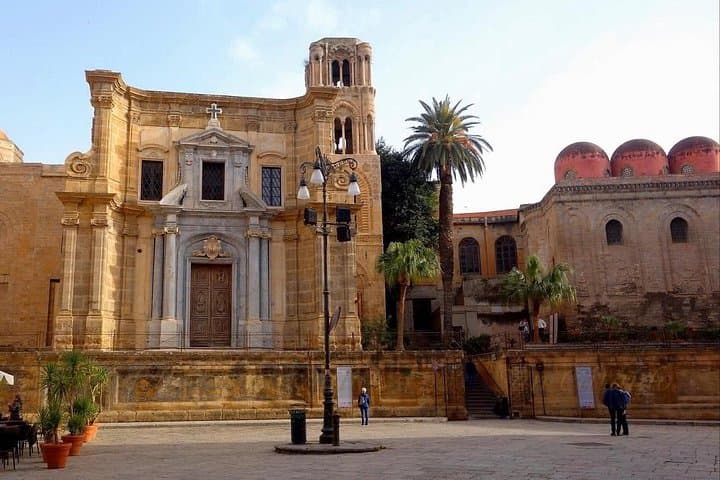
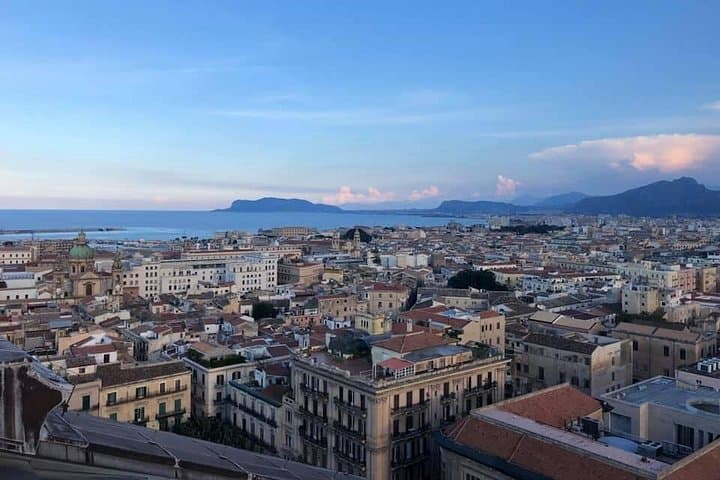
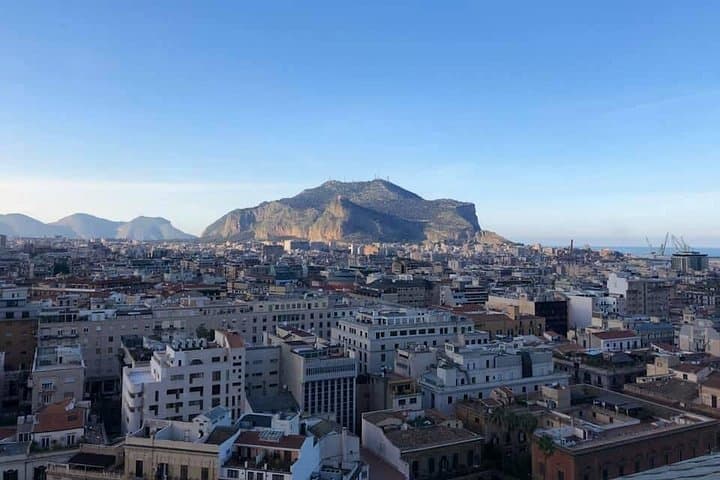
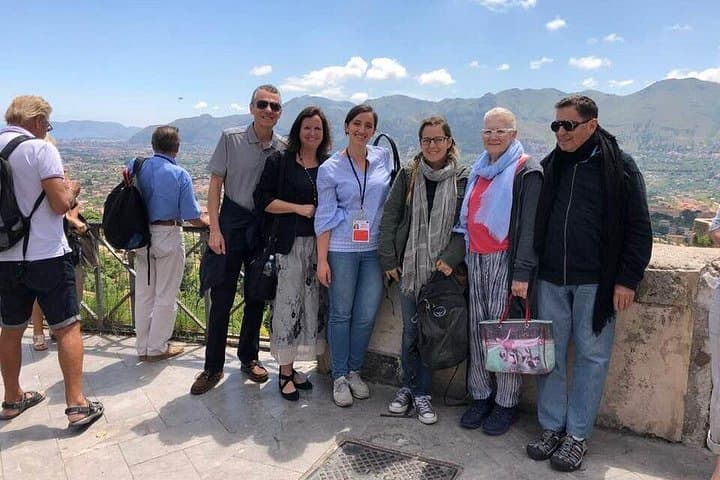
You meet the guide in front of the Praetorian Fountain, the white marble faces of Piazza Pretoria watching as the city wakes. The stones underfoot are warm; the air carries citrus and frying oil from a nearby stall. The tour moves through narrow lanes where every corner shifts the city’s story — Norman façades, baroque flourishes, and Arab arches jostle for attention.
You meet the guide in front of the Praetorian Fountain, the white marble faces of Piazza Pretoria watching as the city wakes. The stones underfoot are warm; the air carries citrus and frying oil from a nearby stall. The tour moves through narrow lanes where every corner shifts the city’s story — Norman façades, baroque flourishes, and Arab arches jostle for attention.
Palermo’s personality is obvious in its markets: Ballarò and the historic food stalls where vendors call out names of fish, breads, and panelle. The route threads past Santa Caterina’s cloister and the ornate Caravaggio-era altars of the Church of the Gesù, before ending in the broad steps of Teatro Massimo. Geologically the city sits on a Mediterranean coastal plain, its stonework cut from local sedimentary beds that have borne the imprint of centuries of Mediterranean trade and conquest.
Culturally, this walk highlights Palermo’s layered identity — Greek and Roman foundations, centuries of Arab administration, and the later Norman kings whose tombs anchor the cathedral. You’ll learn how markets shaped daily life and why street food is still a central rite.
Practical guidance: wear comfortable walking shoes and bring a refillable water bottle; the route is 2–3 hours at a gentle pace with cobbled streets and occasional steps. Carry small change for market purchases and modest entry fees to cloisters or chapels. Morning tours avoid the mid-day heat and give market life at its liveliest. Keep an eye on pickpockets in crowded alleys, and leave larger backpacks at your hotel for easier movement.