THE ADVENTURE COLLECTIVE® · Independent discovery and booking for outdoor travel

Explore Dotonbori, Shinsaibashi, Namba and Kuromon Market with a Kansai-born guide who reveals hidden alleys, food lore, and photo-ready moments. This flexible 2-hour walk suits first-time and return visitors looking for an authentic local view.
Explore Dotonbori, Shinsaibashi, Namba and Kuromon Market with a Kansai-born guide who reveals hidden alleys, food lore, and photo-ready moments. This flexible 2-hour walk suits first-time and return visitors looking for an authentic local view.
You step out of Namba Station into a river of motion — commuters, neon light, and the low thrum of vendors — and the city seems to fold around you. The Dotonbori Canal glints under billboards as your guide, Kansai-born and fluent in English, threads you through alleys where ovens hiss and lanterns sway. The tour moves at an unhurried pace: photo stops at the Glico runner sign, a stroll through Shinsaibashi’s arched arcade, and a sensory detour into Kuromon Market.
Verified experiences and guided adventures in the surrounding area.
Operated by Sushi Making Experience Namba · Osaka, Osaka Prefecture
You step out of Namba Station into a river of motion — commuters, neon light, and the low thrum of vendors — and the city seems to fold around you. The Dotonbori Canal glints under billboards as your guide, Kansai-born and fluent in English, threads you through alleys where ovens hiss and lanterns sway. The tour moves at an unhurried pace: photo stops at the Glico runner sign, a stroll through Shinsaibashi’s arched arcade, and a sensory detour into Kuromon Market.
Historically, these streets grew during the Edo period as merchant and theater districts. The canal’s route still dictates where restaurants and entertainment cluster, and the shopping arcades reflect layers of Osaka’s commercial evolution more than geological change — reclaimed riverside and packed urban fill rather than dramatic peaks. Local culture centers on kuidaore, the city’s famous love of eating well; you'll learn how food, festivals, and friendly banter shape daily life.
Practical guidance: wear comfortable shoes and bring small-change cash for market snacks; many vendors still prefer cash or IC cards. Evening and daytime each have distinct moods — neon nightlife versus market bustle — so pick the time that matches your interest. Expect easy walking on paved streets, frequent photo stops, and a personalized route that adapts to your questions. Hydrate, charge your phone, and let the guide point out lesser-known alleys where the real Osaka lingers between the lights.
easy.
2 hours.
Suitable for most fitness levels; requires standing and walking on flat paved streets for up to two hours.
Yes — the route is flat and paced for all ages; notify the operator of mobility needs in advance.
No — snacks or purchases at Kuromon Market are optional and paid separately; bring cash or an IC transit card.
Yes — the guide tailors the route to your interests, whether you prefer culinary stops, photography tips, or cultural context.
Very close — Namba and Shinsaibashi areas are major transit hubs with easy metro and train access for start and finish.
Dotonbori and Namba expanded as entertainment and merchant districts in the Edo period; many modern shopping arcades trace those commercial routes.
Local efforts focus on canal cleanup and reducing single-use plastics in markets; visitors can support this by minimizing waste and using reusable bags.
Sushi Making Experience Namba operates guided outdoor trips and adventures with an emphasis on safety, stewardship, and memorable experiences.
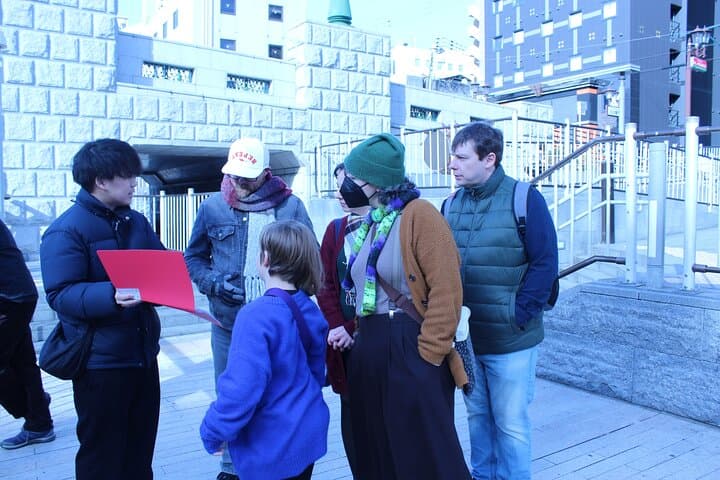
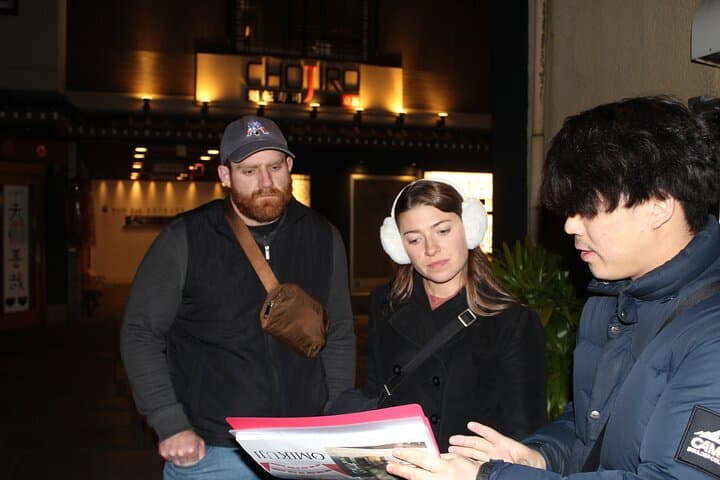
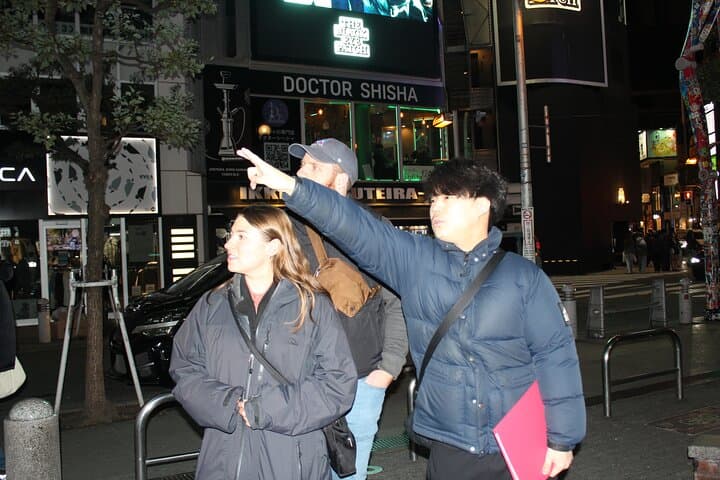
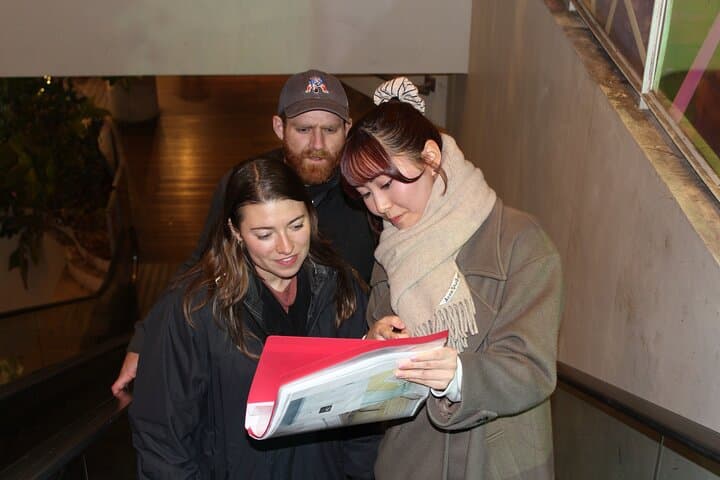
You step out of Namba Station into a river of motion — commuters, neon light, and the low thrum of vendors — and the city seems to fold around you. The Dotonbori Canal glints under billboards as your guide, Kansai-born and fluent in English, threads you through alleys where ovens hiss and lanterns sway. The tour moves at an unhurried pace: photo stops at the Glico runner sign, a stroll through Shinsaibashi’s arched arcade, and a sensory detour into Kuromon Market.
You step out of Namba Station into a river of motion — commuters, neon light, and the low thrum of vendors — and the city seems to fold around you. The Dotonbori Canal glints under billboards as your guide, Kansai-born and fluent in English, threads you through alleys where ovens hiss and lanterns sway. The tour moves at an unhurried pace: photo stops at the Glico runner sign, a stroll through Shinsaibashi’s arched arcade, and a sensory detour into Kuromon Market.
Historically, these streets grew during the Edo period as merchant and theater districts. The canal’s route still dictates where restaurants and entertainment cluster, and the shopping arcades reflect layers of Osaka’s commercial evolution more than geological change — reclaimed riverside and packed urban fill rather than dramatic peaks. Local culture centers on kuidaore, the city’s famous love of eating well; you'll learn how food, festivals, and friendly banter shape daily life.
Practical guidance: wear comfortable shoes and bring small-change cash for market snacks; many vendors still prefer cash or IC cards. Evening and daytime each have distinct moods — neon nightlife versus market bustle — so pick the time that matches your interest. Expect easy walking on paved streets, frequent photo stops, and a personalized route that adapts to your questions. Hydrate, charge your phone, and let the guide point out lesser-known alleys where the real Osaka lingers between the lights.