THE ADVENTURE COLLECTIVE® · Independent discovery and booking for outdoor travel

Spend a day with a local sommelière exploring two small, family-run Napa wineries, learn about sustainable farming and wild-yeast fermentations, and enjoy a leisurely lunch paired with wines. Limited to four guests for an intimate, educational tasting experience.
Spend a day with a local sommelière exploring two small, family-run Napa wineries, learn about sustainable farming and wild-yeast fermentations, and enjoy a leisurely lunch paired with wines. Limited to four guests for an intimate, educational tasting experience.
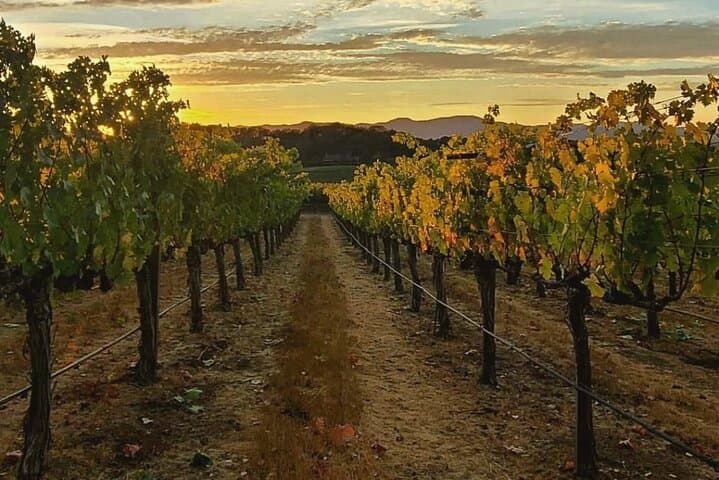
A low morning sun threads between vine rows as the van turns off Highway 29 and onto a quiet gravel lane. The air carries crushed green stems and a faint yeast tang; the tour's small size—just four guests—means the tasting rooms feel less like stages and more like someone's family kitchen where vintners explain decisions instead of reciting tasting notes.
Verified experiences and guided adventures in the surrounding area.
Operated by Bacchus Loves the Hills · Napa, California
A low morning sun threads between vine rows as the van turns off Highway 29 and onto a quiet gravel lane. The air carries crushed green stems and a faint yeast tang; the tour's small size—just four guests—means the tasting rooms feel less like stages and more like someone's family kitchen where vintners explain decisions instead of reciting tasting notes.
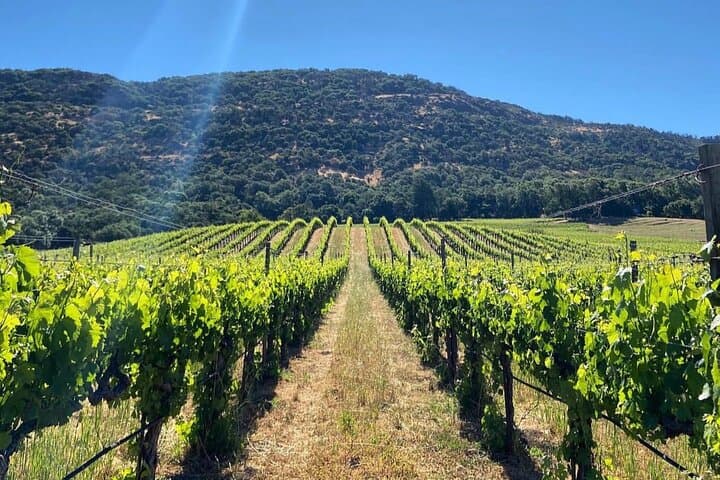
Napa Valley's wine story is recent and fast: 19th-century plantings, a boom after Prohibition, then global fame after the 1976 Judgment of Paris. Beneath the veneer of prestige lie small, family-run cellars on varied soils—Napa's patchwork of volcanic ash, alluvial loam, and ancient river terraces shapes each bottle. This tour focuses on artisanal producers practicing sustainable and often biodynamic techniques; conversations weave farming choices, wild-yeast fermentations, and the craft of minimal-intervention winemaking.
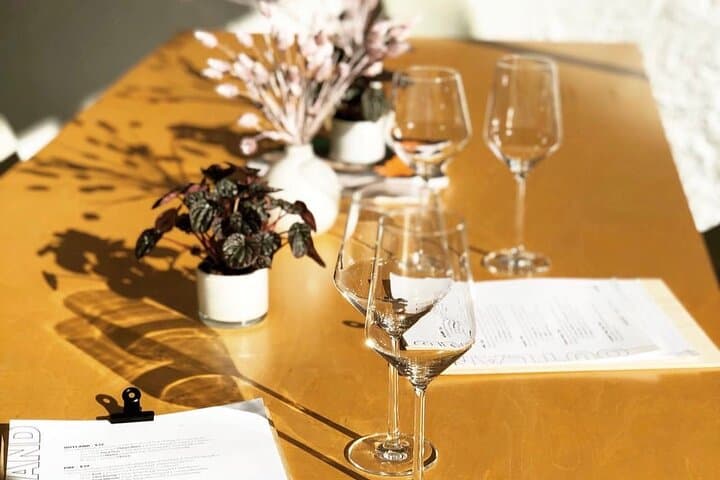
Expect two focused tastings (90–120 minutes each), a relaxed lunch at a well-regarded Napa restaurant, and time to ask the questions that matter: Why this clone? Why no filtration? Transportation across the valley is included, so timing is lodge-to-lodge rather than a marathon of appointments.
Practical guidance: book well in advance—groups are capped at four. Reserve a morning slot to avoid afternoon heat and to see cellar work in action. Bring a note-ready app or small notebook, a water bottle to pace palates, and comfortable shoes for short cellar steps and gravel paths. ID is required for tastings; eat a solid lunch and hydrate between flights. This is a sensory day designed for curiosity as much as consumption.
easy.
6 hours.
Suitable for all fitness levels; involves short walks on gravel and stairs inside cellar spaces.
Transportation for the day, two winery tastings, and a restaurant lunch are included; gratuities and additional purchases at wineries are extra.
Yes—non-drinkers can still learn about viticulture and winemaking; hosts can provide water and spittoons are available.
Book as early as possible; this small-group tour caps at four guests and popular dates fill weeks ahead, especially weekends.
The meeting point is typically Oxbow Public Market in downtown Napa; private pick-ups can sometimes be arranged on request.
Napa's modern industry grew rapidly after the 1960s, anchored by a mix of established estates and newer boutique producers; many family cellars occupy former ranch plots and older agricultural parcels.
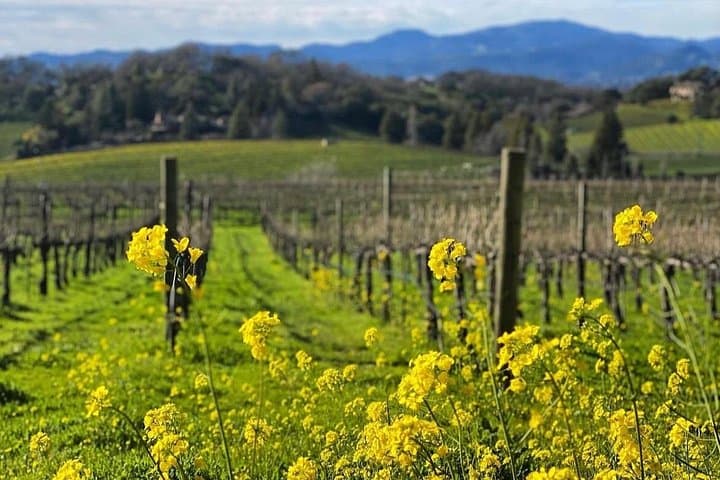
Many small Napa producers on this route practice organic, biodynamic, or regenerative farming; guests are encouraged to tread lightly, respect vines, and limit single-use plastics.
Bacchus Loves the Hills operates guided outdoor trips and adventures with an emphasis on safety, stewardship, and memorable experiences.
A low morning sun threads between vine rows as the van turns off Highway 29 and onto a quiet gravel lane. The air carries crushed green stems and a faint yeast tang; the tour's small size—just four guests—means the tasting rooms feel less like stages and more like someone's family kitchen where vintners explain decisions instead of reciting tasting notes.
A low morning sun threads between vine rows as the van turns off Highway 29 and onto a quiet gravel lane. The air carries crushed green stems and a faint yeast tang; the tour's small size—just four guests—means the tasting rooms feel less like stages and more like someone's family kitchen where vintners explain decisions instead of reciting tasting notes.
Napa Valley's wine story is recent and fast: 19th-century plantings, a boom after Prohibition, then global fame after the 1976 Judgment of Paris. Beneath the veneer of prestige lie small, family-run cellars on varied soils—Napa's patchwork of volcanic ash, alluvial loam, and ancient river terraces shapes each bottle. This tour focuses on artisanal producers practicing sustainable and often biodynamic techniques; conversations weave farming choices, wild-yeast fermentations, and the craft of minimal-intervention winemaking.
Expect two focused tastings (90–120 minutes each), a relaxed lunch at a well-regarded Napa restaurant, and time to ask the questions that matter: Why this clone? Why no filtration? Transportation across the valley is included, so timing is lodge-to-lodge rather than a marathon of appointments.
Practical guidance: book well in advance—groups are capped at four. Reserve a morning slot to avoid afternoon heat and to see cellar work in action. Bring a note-ready app or small notebook, a water bottle to pace palates, and comfortable shoes for short cellar steps and gravel paths. ID is required for tastings; eat a solid lunch and hydrate between flights. This is a sensory day designed for curiosity as much as consumption.