THE ADVENTURE COLLECTIVE® · Independent discovery and booking for outdoor travel

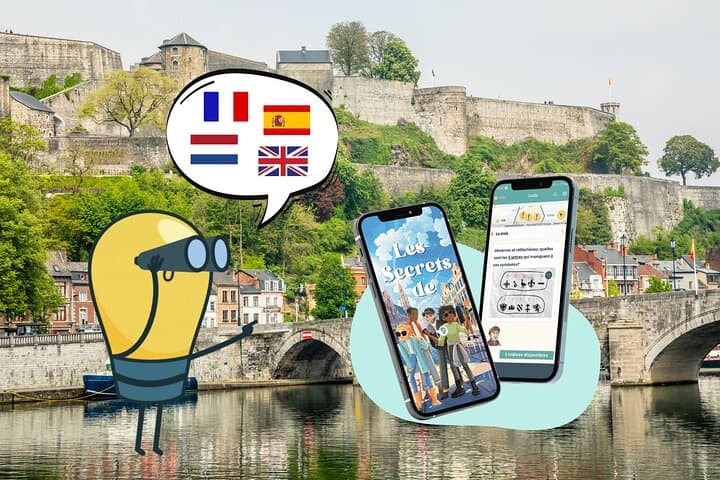
Explore Namur as a puzzle: a self-guided urban escape game leads teams through the citadel, riverside quays, and hidden alleys using a smartphone app. Spend about two hours solving riddles while learning local history and finding off‑the‑beaten tracks.
Explore Namur as a puzzle: a self-guided urban escape game leads teams through the citadel, riverside quays, and hidden alleys using a smartphone app. Spend about two hours solving riddles while learning local history and finding off‑the‑beaten tracks.
You step off the quay and the Meuse nudges the city with a cool, steady breath — the river feels almost like a co-conspirator as your team opens the app and the first riddle drops onto the screen.
Verified experiences and guided adventures in the surrounding area.
Operated by Coddy · Namur, Namur
You step off the quay and the Meuse nudges the city with a cool, steady breath — the river feels almost like a co-conspirator as your team opens the app and the first riddle drops onto the screen.
The route threads through narrow streets beneath the citadel’s weathered stone, across squares lined with Baroque facades and into courtyards where shopkeepers still hang hand-painted signs. The game pulls you to tourist highlights and quiet corners alike: a 19th‑century façade, a tucked-away fountain, a mural that only locals name aloud.
Namur’s story is visible in its layers: a Roman and medieval past that fortified the hill above, later stonework from the Spanish and Austrian periods, and a riverside culture shaped by the confluence of the Sambre and Meuse. Geology matters here — the city climbs from the river on limestone and sandstone outcrops that give the citadel its natural advantage.
Culturally the city is French-speaking Wallonia, with a relaxed café culture that rewards a pause between puzzles. Conservation-minded restoration has kept facades legible and streets walkable, so the experience feels lived-in rather than staged.
Practically: plan two hours, bring a charged smartphone and a power bank, and wear grippy shoes for cobbles and occasional steps. Public transport delivers you close to the start; the route is wheelchair- and stroller-friendly in many sections but expect some slopes. Play at your own pace — race the clock for a competitive feel or linger at viewpoints to let the city do the storytelling.
easy.
2 hours.
Suitable for most fitness levels; involves urban walking on cobbles and some slopes
The suggested duration is about two hours, but you can go faster or take your time to explore sights along the way.
No — the activity accepts mobile tickets; you only need the booking confirmation and the app link on your phone.
Much of the central route is wheelchair- and stroller-friendly, though some streets have cobbles and gentle slopes; check specific segments in the app before starting.
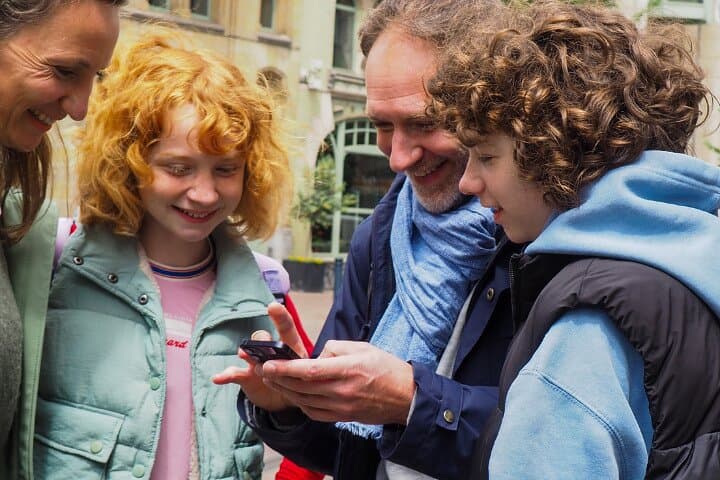
The game is designed for teams of 2–6 players; larger groups can split into multiple teams and compete against each other.
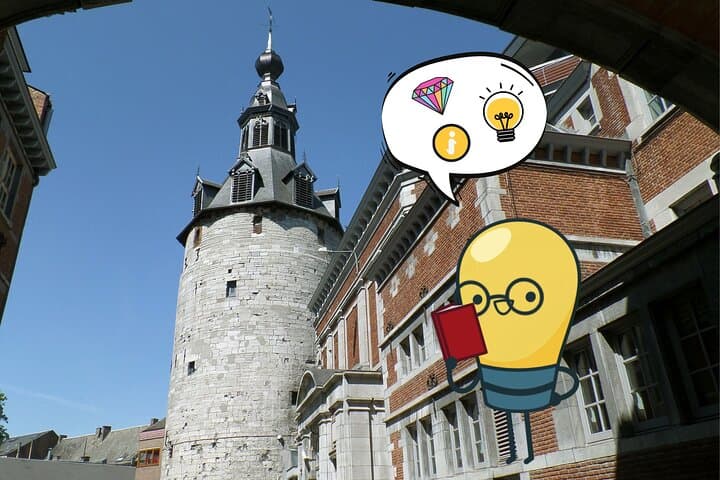
Namur grew around the strategic confluence of the Sambre and Meuse; its citadel has been rebuilt and fortified across Roman, medieval, and modern eras.
Local preservation efforts focus on maintaining historic facades and pedestrian-friendly streets; visitors are asked to respect signage and avoid touching delicate masonry.
Coddy operates guided outdoor trips and adventures with an emphasis on safety, stewardship, and memorable experiences.

You step off the quay and the Meuse nudges the city with a cool, steady breath — the river feels almost like a co-conspirator as your team opens the app and the first riddle drops onto the screen.
You step off the quay and the Meuse nudges the city with a cool, steady breath — the river feels almost like a co-conspirator as your team opens the app and the first riddle drops onto the screen.
The route threads through narrow streets beneath the citadel’s weathered stone, across squares lined with Baroque facades and into courtyards where shopkeepers still hang hand-painted signs. The game pulls you to tourist highlights and quiet corners alike: a 19th‑century façade, a tucked-away fountain, a mural that only locals name aloud.
Namur’s story is visible in its layers: a Roman and medieval past that fortified the hill above, later stonework from the Spanish and Austrian periods, and a riverside culture shaped by the confluence of the Sambre and Meuse. Geology matters here — the city climbs from the river on limestone and sandstone outcrops that give the citadel its natural advantage.
Culturally the city is French-speaking Wallonia, with a relaxed café culture that rewards a pause between puzzles. Conservation-minded restoration has kept facades legible and streets walkable, so the experience feels lived-in rather than staged.
Practically: plan two hours, bring a charged smartphone and a power bank, and wear grippy shoes for cobbles and occasional steps. Public transport delivers you close to the start; the route is wheelchair- and stroller-friendly in many sections but expect some slopes. Play at your own pace — race the clock for a competitive feel or linger at viewpoints to let the city do the storytelling.