THE ADVENTURE COLLECTIVE® · Independent discovery and booking for outdoor travel

Walk Dotonbori’s neon-lit riverbanks, sample Kuromon Market street food and learn the local rhythms of Osaka on a relaxed 2.5-hour tour led by a young local guide. Perfect for first-time visitors who want context, photos and an authentic feel for daily life in Namba.
Walk Dotonbori’s neon-lit riverbanks, sample Kuromon Market street food and learn the local rhythms of Osaka on a relaxed 2.5-hour tour led by a young local guide. Perfect for first-time visitors who want context, photos and an authentic feel for daily life in Namba.
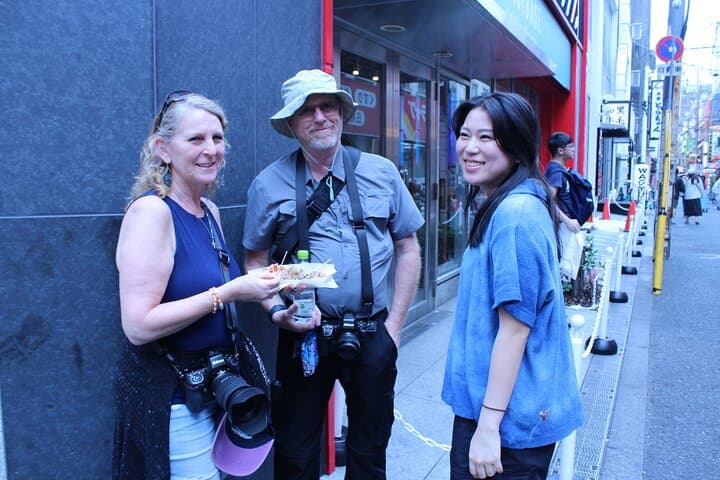
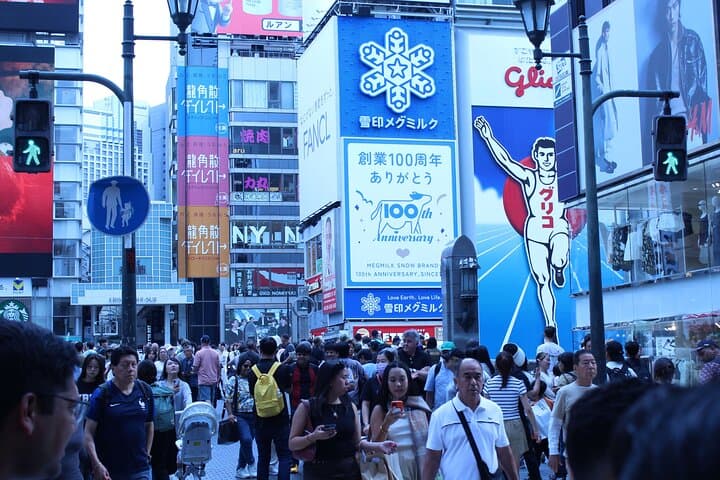
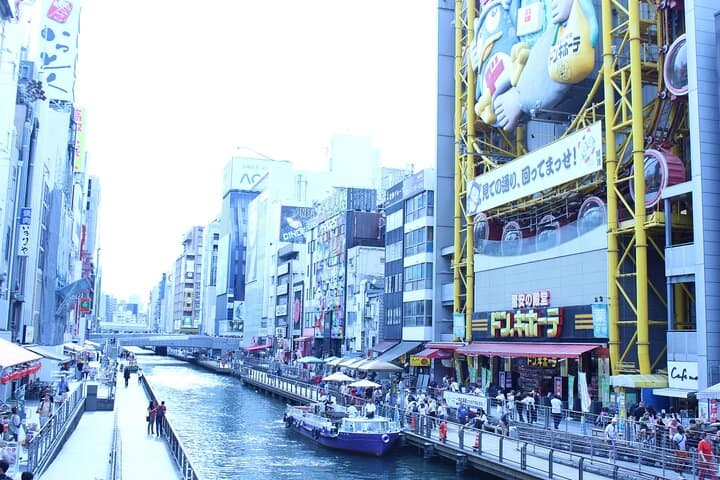
Neon reflections jitter across the Dotonbori canal as your local guide steers you through a crowd that moves like a tide. The scent of grilled takoyaki, soy and sweet batter threads through the air; shop signs loom overhead, each with a small story. This relaxed 2.5-hour tour stitches together Namba’s busiest strips—Dotonbori, Shinsaibashi and Kuromon—so you feel the city at street level rather than from a bus window.
Verified experiences and guided adventures in the surrounding area.
Operated by Osaka walking tour: Namba local tours by local guide · Osaka, Osaka Prefecture
Neon reflections jitter across the Dotonbori canal as your local guide steers you through a crowd that moves like a tide. The scent of grilled takoyaki, soy and sweet batter threads through the air; shop signs loom overhead, each with a small story. This relaxed 2.5-hour tour stitches together Namba’s busiest strips—Dotonbori, Shinsaibashi and Kuromon—so you feel the city at street level rather than from a bus window.
The canal itself dates to the early 1600s, cut to support merchants and theatre-goers; the neighborhood evolved around trade and performance, shaping Osaka’s brash, food-forward culture. Kuromon Market still operates as it did in spirit—fresh seafood counters and wagyu stalls shoulder modern cafés—while Shinsaibashi reflects postwar youth culture in arcades and boutiques.
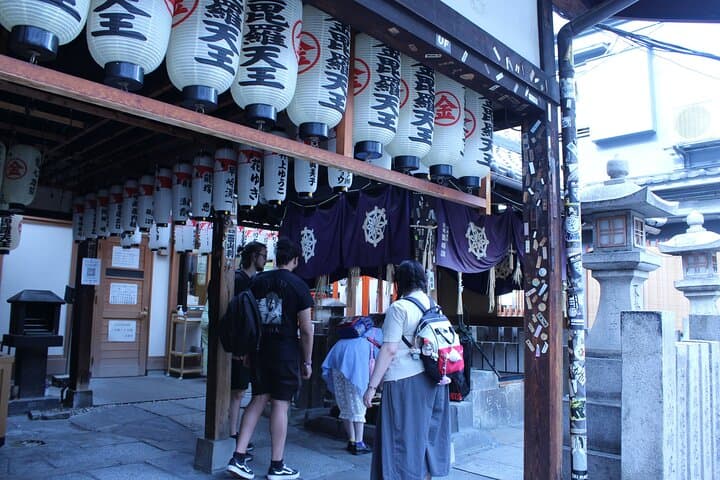
Expect roughly 2–3 km of mostly flat walking on sidewalks, covered arcades and a few narrow lanes; elevation gain is negligible. Guides point out photo spots, local customs, and everyday life—how neighborhood festivals route floats down these streets, or why shopkeepers hang lanterns a certain way.
Practical notes: bring cash (many stalls are cash-first), charge your phone for photos, and plan the tour either at dawn for quieter markets or in the evening for neon-lit energy. The route is wheelchair- and stroller-accessible in many sections, though some alleys and market stalls are tight. Keep an eye on crowds during weekends and holidays; a steady pace and comfortable shoes make this an easy, sensory way to meet Osaka.
easy.
2–2.5 hours.
Suitable for most fitness levels; able to walk 2–3 km at an easy pace and stand for short periods
Much of the route runs on flat sidewalks and covered arcades and is accessible, but some narrow market alleys may be tight—check with the operator about specific mobility needs.
Tours are led by a young local guide who typically speaks easy-to-understand English; confirm language support at booking for other languages.
Meeting is usually at a central Namba pickup point near the station or a designated landmark; your booking confirmation specifies the exact location.
Admission is included but food is pay-as-you-go—your guide can point out recommended stalls and approximate costs.
The Dotonbori canal was built in the early 1600s to support commerce and theatre; Namba grew as a merchant and entertainment quarter, reflected today in its markets and arcades.
Local groups and the city run regular canal cleanups and recycling initiatives; visitors are encouraged to use public bins and minimize single-use plastics.
Osaka walking tour: Namba local tours by local guide operates guided outdoor trips and adventures with an emphasis on safety, stewardship, and memorable experiences.
Neon reflections jitter across the Dotonbori canal as your local guide steers you through a crowd that moves like a tide. The scent of grilled takoyaki, soy and sweet batter threads through the air; shop signs loom overhead, each with a small story. This relaxed 2.5-hour tour stitches together Namba’s busiest strips—Dotonbori, Shinsaibashi and Kuromon—so you feel the city at street level rather than from a bus window.
Neon reflections jitter across the Dotonbori canal as your local guide steers you through a crowd that moves like a tide. The scent of grilled takoyaki, soy and sweet batter threads through the air; shop signs loom overhead, each with a small story. This relaxed 2.5-hour tour stitches together Namba’s busiest strips—Dotonbori, Shinsaibashi and Kuromon—so you feel the city at street level rather than from a bus window.
The canal itself dates to the early 1600s, cut to support merchants and theatre-goers; the neighborhood evolved around trade and performance, shaping Osaka’s brash, food-forward culture. Kuromon Market still operates as it did in spirit—fresh seafood counters and wagyu stalls shoulder modern cafés—while Shinsaibashi reflects postwar youth culture in arcades and boutiques.
Expect roughly 2–3 km of mostly flat walking on sidewalks, covered arcades and a few narrow lanes; elevation gain is negligible. Guides point out photo spots, local customs, and everyday life—how neighborhood festivals route floats down these streets, or why shopkeepers hang lanterns a certain way.
Practical notes: bring cash (many stalls are cash-first), charge your phone for photos, and plan the tour either at dawn for quieter markets or in the evening for neon-lit energy. The route is wheelchair- and stroller-accessible in many sections, though some alleys and market stalls are tight. Keep an eye on crowds during weekends and holidays; a steady pace and comfortable shoes make this an easy, sensory way to meet Osaka.