THE ADVENTURE COLLECTIVE® · Independent discovery and booking for outdoor travel

A compact 3-day route that moves from Tangier’s coastal energy through Chefchaouen’s blue alleys to the imperial art of Fes. Expect short drives, rich medina walks, Roman ruins and hands-on cultural encounters.
A compact 3-day route that moves from Tangier’s coastal energy through Chefchaouen’s blue alleys to the imperial art of Fes. Expect short drives, rich medina walks, Roman ruins and hands-on cultural encounters.
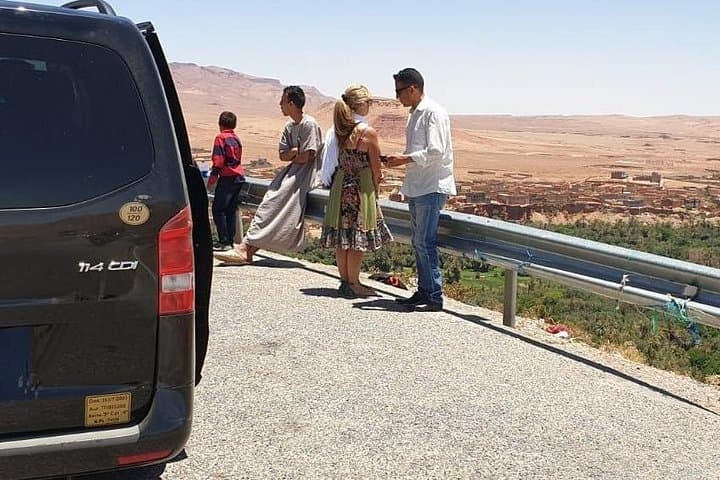
You step out of the air-conditioned vehicle into a lane where the sea-salt air from Tangier still clings to the morning, and the Rif Mountains loom blue and deliberate to the south. The road unfurls like a promise: white-washed houses of Chefchaouen climbing a hillside, the low Roman stones of Volubilis sun-baked into gold, and Fes’ minarets stitching the skyline together.
Verified experiences and guided adventures in the surrounding area.
Operated by Tourismoy Maroc · Tangier, Tanger-Tetouan-Al Hoceima
You step out of the air-conditioned vehicle into a lane where the sea-salt air from Tangier still clings to the morning, and the Rif Mountains loom blue and deliberate to the south. The road unfurls like a promise: white-washed houses of Chefchaouen climbing a hillside, the low Roman stones of Volubilis sun-baked into gold, and Fes’ minarets stitching the skyline together.
This route threads centuries of history — from Roman outposts to medieval Islamic scholarship in Fes and the Andalusian and Berber influences that shaped local crafts. Geologically the landscape shifts quickly: coastal limestone near Tangier gives way to folded Rif ranges and then to the agricultural plains surrounding Meknes and the rising plateaus around Fes.
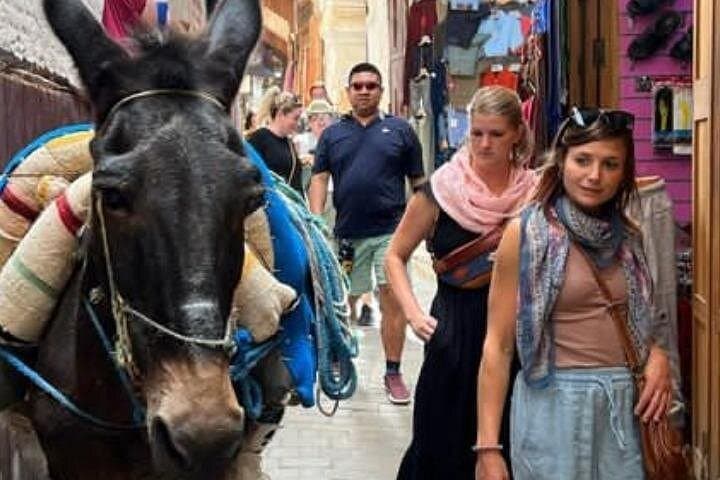
Culturally the trip is tactile: pottery shops, the ammonia-tinged air around the Chouara tannery, and narrow medina alleys that demand slow, curious walking. Expect riads or small hotels chosen for local character, optional hammams in the evening, and local drivers who act as living guidebooks for regional customs and timing.
Practical edge: plan on multiple short drives (typically 2–4 hours between stops), comfortable walking shoes for cobbled medina streets, and modest dress in religious sites. Carry cash for market purchases, allow time for bargaining, and book morning medina walks to avoid heat and crowds. The service includes private transport, hotel pickup/drop-off, and onboard Wi‑Fi — ideal for travelers who want a compact, culturally dense stretch of Morocco without the logistics headache.
easy.
2–3 days.
Able to handle several hours of walking on uneven surfaces and short drives; no special fitness required
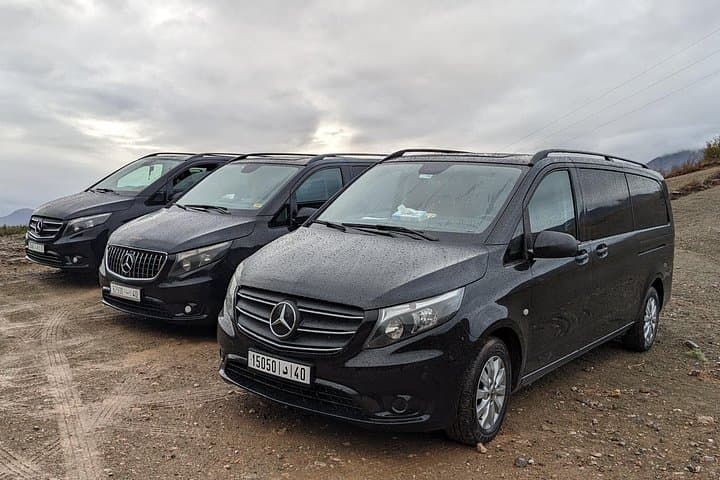
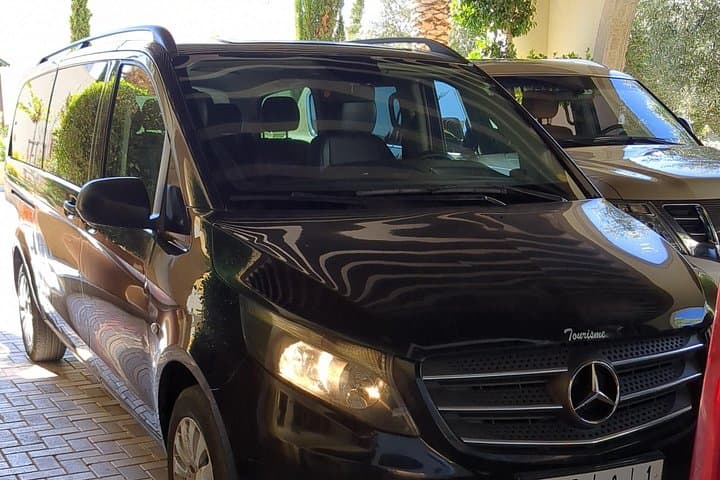
Yes — the tour uses private, air‑conditioned vehicles and includes hotel pickup and drop‑off.
Some site admissions and optional activities (like hammam visits) are typically extra—confirm specifics with the operator before booking.
The itinerary is suitable for most ages, but medina streets can be narrow and uneven; travelers with limited mobility should check access at specific sites and alert the operator to arrange suitable pickup points.
Local drivers commonly speak basic English and French; an optional local guide may be available in several languages depending on booking options.
This corridor stitches Roman Volubilis, medieval Meknes and the scholarly city of Fes—centers of trade and learning that reflect Phoenician, Roman, Berber and Andalusian layers.
Medinas are living neighborhoods under pressure from tourism; travel lightly, avoid single‑use plastics, and support local artisans to keep traditional crafts viable.
Tourismoy Maroc operates guided outdoor trips and adventures with an emphasis on safety, stewardship, and memorable experiences.
You step out of the air-conditioned vehicle into a lane where the sea-salt air from Tangier still clings to the morning, and the Rif Mountains loom blue and deliberate to the south. The road unfurls like a promise: white-washed houses of Chefchaouen climbing a hillside, the low Roman stones of Volubilis sun-baked into gold, and Fes’ minarets stitching the skyline together.
You step out of the air-conditioned vehicle into a lane where the sea-salt air from Tangier still clings to the morning, and the Rif Mountains loom blue and deliberate to the south. The road unfurls like a promise: white-washed houses of Chefchaouen climbing a hillside, the low Roman stones of Volubilis sun-baked into gold, and Fes’ minarets stitching the skyline together.
This route threads centuries of history — from Roman outposts to medieval Islamic scholarship in Fes and the Andalusian and Berber influences that shaped local crafts. Geologically the landscape shifts quickly: coastal limestone near Tangier gives way to folded Rif ranges and then to the agricultural plains surrounding Meknes and the rising plateaus around Fes.
Culturally the trip is tactile: pottery shops, the ammonia-tinged air around the Chouara tannery, and narrow medina alleys that demand slow, curious walking. Expect riads or small hotels chosen for local character, optional hammams in the evening, and local drivers who act as living guidebooks for regional customs and timing.
Practical edge: plan on multiple short drives (typically 2–4 hours between stops), comfortable walking shoes for cobbled medina streets, and modest dress in religious sites. Carry cash for market purchases, allow time for bargaining, and book morning medina walks to avoid heat and crowds. The service includes private transport, hotel pickup/drop-off, and onboard Wi‑Fi — ideal for travelers who want a compact, culturally dense stretch of Morocco without the logistics headache.