THE ADVENTURE COLLECTIVE® · Independent discovery and booking for outdoor travel

Step off the regional train and into Morimachi’s lived-in history: shrines, pottery, kyudo, and ramen in a compact day. This one-day tour from Kakegawa pairs hands-on cultural experiences with easy walking and local insights.
Step off the regional train and into Morimachi’s lived-in history: shrines, pottery, kyudo, and ramen in a compact day. This one-day tour from Kakegawa pairs hands-on cultural experiences with easy walking and local insights.
A short anime-wrapped train hums away from Kakegawa and, thirty minutes later, Morimachi slides into view: narrow streets, a pond glassing maple trunks, and the low tiled roofs of century-old houses. The day opens with a quiet walk past Kotomachi Pond and over paths lined with maples that push color into every corner in autumn.
Verified experiences and guided adventures in the surrounding area.
Operated by Chill&Joy · Morimachi, Shizuoka Prefecture
A short anime-wrapped train hums away from Kakegawa and, thirty minutes later, Morimachi slides into view: narrow streets, a pond glassing maple trunks, and the low tiled roofs of century-old houses. The day opens with a quiet walk past Kotomachi Pond and over paths lined with maples that push color into every corner in autumn.
Morimachi’s story is practical and old — a market town that grew around shrines and pottery kilns. Oguni Shrine has worshipped this ridge for more than a millennium, and the red AKAYAKI ceramics on display recall pottery once presented to the emperor. Geologically the area sits on gentle foothills of central Shizuoka; the soil and clay here shape the local pottery and the bowl of a ramen house carved from a renovated wooden home.
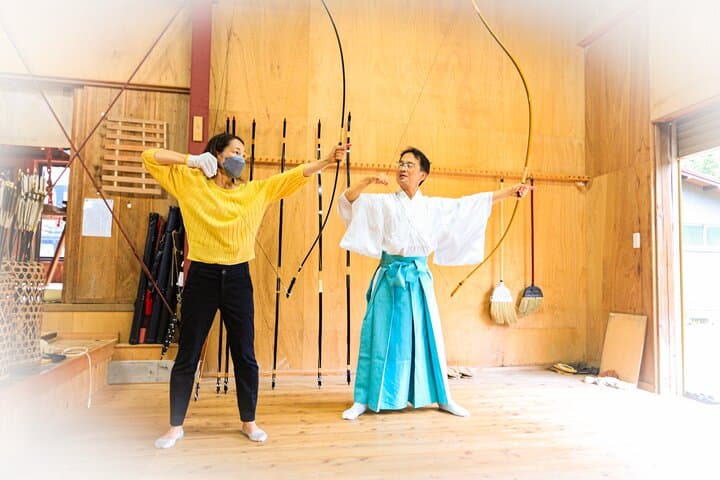
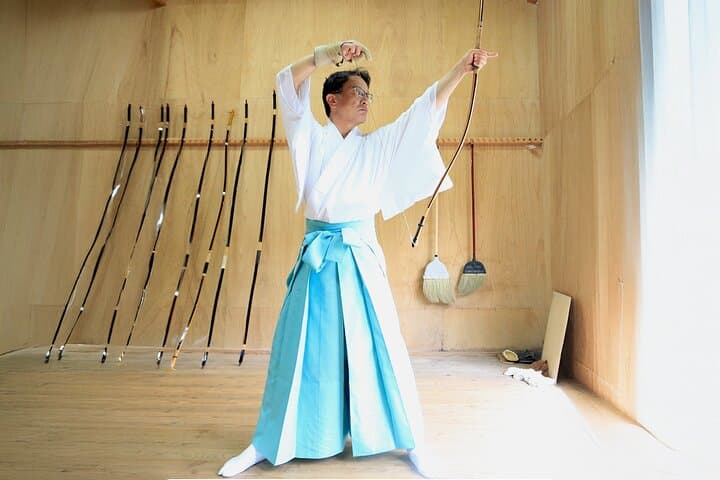
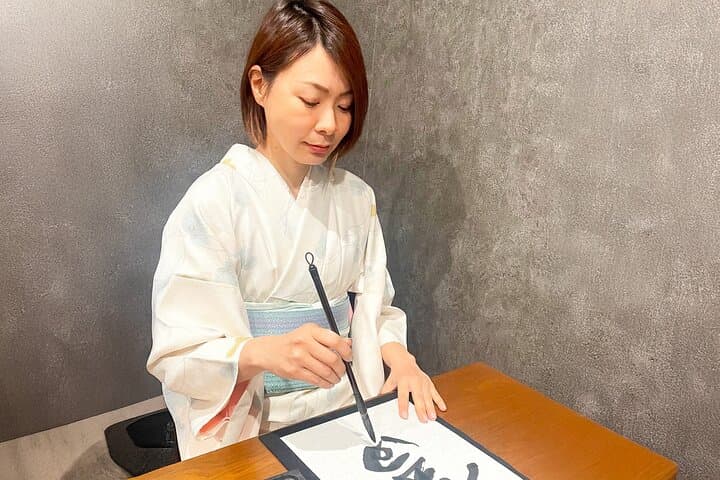
Culturally, visitors can try kyudo at Amenomiya Shrine or take calligraphy in a small atelier; both activities emphasize repetition, stance and breath — skills that ground the tourist in the town’s pace. Local eateries focus on seasonal vegetables and handmade ramen, while pottery studios sell practical pieces shaped for daily use.
Practical guidance: plan for a six-hour outing, arrive by regional train from Kakegawa Station, and wear comfortable shoes for uneven stone paths. Carry cash for small shops, bring a compact umbrella in summer, and book an English-speaking guide to unlock private demonstrations. The route is gentle but involves standing during hands-on sessions; hydrate, respect shrine etiquette, and leave ceramics and shrines as you found them.
easy.
5–6 hours.
Suitable for most fitness levels; involves moderate walking and standing during demonstrations.
Take the Tokaido Shinkansen to Kakegawa Station, then transfer to a regional train toward Morimachi — the full trip is about 1.5–2 hours depending on connections.
Meals are generally not included; the itinerary includes time to sample local cuisine at a century-old restaurant or ramen house and recommends bringing cash.
Yes — sessions are introductory with guidance from a local instructor or shrine priest; you should expect basic stance and bowing instruction rather than full technical training.
Yes — AKAYAKI and local studios sell functional ceramics; bring a small carry bag and check shipping options for fragile pieces if you’re traveling long-distance.
Morimachi grew around hilltop shrines and small kilns; AKAYAKI pottery from the town was once presented at imperial courts, linking local craft to national patronage.
Respect for shrines and pottery studios is emphasized — avoid flash photography during ceremonies and support local artisans rather than buying mass-produced souvenirs.
Chill&Joy operates guided outdoor trips and adventures with an emphasis on safety, stewardship, and memorable experiences.

A short anime-wrapped train hums away from Kakegawa and, thirty minutes later, Morimachi slides into view: narrow streets, a pond glassing maple trunks, and the low tiled roofs of century-old houses. The day opens with a quiet walk past Kotomachi Pond and over paths lined with maples that push color into every corner in autumn.
A short anime-wrapped train hums away from Kakegawa and, thirty minutes later, Morimachi slides into view: narrow streets, a pond glassing maple trunks, and the low tiled roofs of century-old houses. The day opens with a quiet walk past Kotomachi Pond and over paths lined with maples that push color into every corner in autumn.
Morimachi’s story is practical and old — a market town that grew around shrines and pottery kilns. Oguni Shrine has worshipped this ridge for more than a millennium, and the red AKAYAKI ceramics on display recall pottery once presented to the emperor. Geologically the area sits on gentle foothills of central Shizuoka; the soil and clay here shape the local pottery and the bowl of a ramen house carved from a renovated wooden home.
Culturally, visitors can try kyudo at Amenomiya Shrine or take calligraphy in a small atelier; both activities emphasize repetition, stance and breath — skills that ground the tourist in the town’s pace. Local eateries focus on seasonal vegetables and handmade ramen, while pottery studios sell practical pieces shaped for daily use.
Practical guidance: plan for a six-hour outing, arrive by regional train from Kakegawa Station, and wear comfortable shoes for uneven stone paths. Carry cash for small shops, bring a compact umbrella in summer, and book an English-speaking guide to unlock private demonstrations. The route is gentle but involves standing during hands-on sessions; hydrate, respect shrine etiquette, and leave ceramics and shrines as you found them.