THE ADVENTURE COLLECTIVE® · Independent discovery and booking for outdoor travel

Turn Mannheim’s grid into a playground: this 2‑hour self‑guided exploration game uses GPS puzzles, photo challenges and local lore to reveal lesser‑known corners of the city. Ideal for solo explorers and small teams who want an independent, interactive urban adventure.
Turn Mannheim’s grid into a playground: this 2‑hour self‑guided exploration game uses GPS puzzles, photo challenges and local lore to reveal lesser‑known corners of the city. Ideal for solo explorers and small teams who want an independent, interactive urban adventure.
You step out of the tram into a square cut by right angles: Mannheim’s chessboard streets lay themselves before you, buildings breathing the steady rhythm of a river port. The game pings on your phone, a riddle nudging you toward a tucked-away courtyard, and the city starts to feel less like a map and more like a series of puzzles waiting to be read.
Verified experiences and guided adventures in the surrounding area.
Operated by City Game · Mannheim, Baden-Württemberg
You step out of the tram into a square cut by right angles: Mannheim’s chessboard streets lay themselves before you, buildings breathing the steady rhythm of a river port. The game pings on your phone, a riddle nudging you toward a tucked-away courtyard, and the city starts to feel less like a map and more like a series of puzzles waiting to be read.
Mannheim’s story is blunt and practical — a Baroque palace that once housed electors, a grid plan born of 17th‑century military order, and an industrial spine shaped by the Neckar and Rhine rivers. Beneath the city, the Rhine‑Neckar plain’s alluvial soils supported trade and transport; above ground, civic squares, Art Nouveau façades and postwar rebuilds outline the cultural mix you’ll encounter in clues and photo tasks.
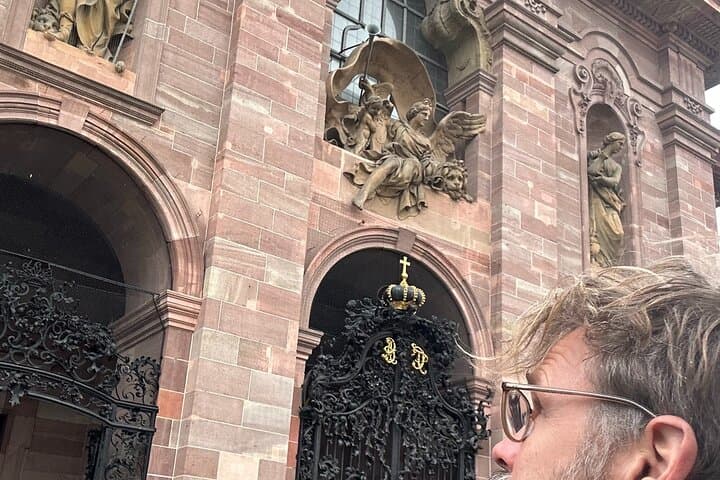
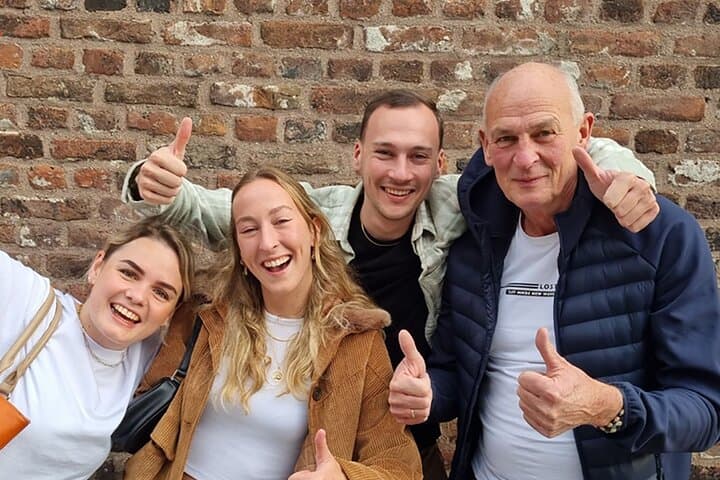
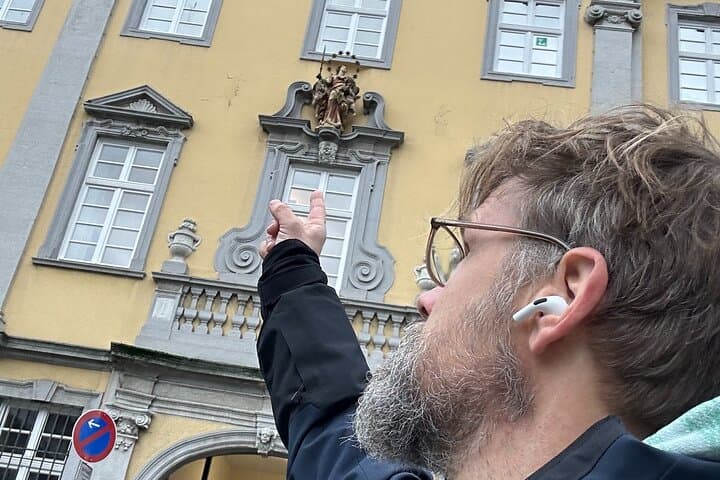
The game steers you to local characters, odd facts and small monuments that many visitors miss: a silent statue, a brewery door, a green cloister in a busy neighborhood. It gives you the independence to explore at your pace — pause to sample a local snack, press on to beat the clock, or turn it into a team competition that sharpens observation and cooperation.
Practical notes: expect two hours of mostly flat, urban walking on pavement; bring a charged smartphone and a public-transport day ticket if you plan to hop to outlying stops. Start mid-morning to avoid commute crowds, wear comfortable shoes, and allow extra time for cafés or detours to the palace and Luisenpark. The route is low‑impact — stick to paths, respect private property, and leave no trace of your game.
moderate.
2 hours.
Suitable for people who can walk 2–4 miles at a casual pace; minimal elevation but requires mobility on uneven pavement.
One ticket covers a group using a single device—typically 1–4 people; for larger groups buy multiple tickets so each subgroup can play independently.
The game is self-guided and flexible: you can start at the central meeting point indicated in the confirmation email and pause or end at any time once tasks are completed.
Yes; a mobile data connection is required to load challenges and submit photo tasks, so plan accordingly or use public Wi‑Fi where available.
Much of central Mannheim is flat, but some stretches include cobblestones and narrow alleys; accessibility can vary—contact the operator for specific route details before booking.
Mannheim’s checkerboard street plan dates to the late 17th century when the city was redesigned for military and administrative order; the palace was once one of Europe’s largest baroque residences.
Stick to marked paths, avoid disturbing riverbanks, and support local cafés and shops encountered during the game to keep low‑impact tourism sustainable.
City Game operates guided outdoor trips and adventures with an emphasis on safety, stewardship, and memorable experiences.
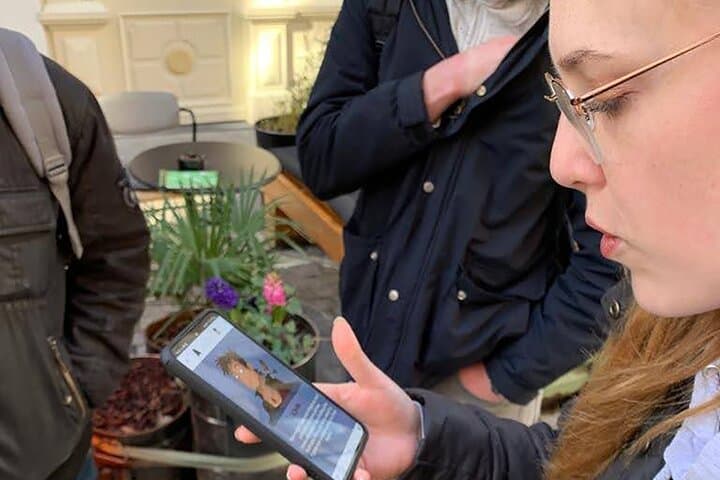
You step out of the tram into a square cut by right angles: Mannheim’s chessboard streets lay themselves before you, buildings breathing the steady rhythm of a river port. The game pings on your phone, a riddle nudging you toward a tucked-away courtyard, and the city starts to feel less like a map and more like a series of puzzles waiting to be read.
You step out of the tram into a square cut by right angles: Mannheim’s chessboard streets lay themselves before you, buildings breathing the steady rhythm of a river port. The game pings on your phone, a riddle nudging you toward a tucked-away courtyard, and the city starts to feel less like a map and more like a series of puzzles waiting to be read.
Mannheim’s story is blunt and practical — a Baroque palace that once housed electors, a grid plan born of 17th‑century military order, and an industrial spine shaped by the Neckar and Rhine rivers. Beneath the city, the Rhine‑Neckar plain’s alluvial soils supported trade and transport; above ground, civic squares, Art Nouveau façades and postwar rebuilds outline the cultural mix you’ll encounter in clues and photo tasks.
The game steers you to local characters, odd facts and small monuments that many visitors miss: a silent statue, a brewery door, a green cloister in a busy neighborhood. It gives you the independence to explore at your pace — pause to sample a local snack, press on to beat the clock, or turn it into a team competition that sharpens observation and cooperation.
Practical notes: expect two hours of mostly flat, urban walking on pavement; bring a charged smartphone and a public-transport day ticket if you plan to hop to outlying stops. Start mid-morning to avoid commute crowds, wear comfortable shoes, and allow extra time for cafés or detours to the palace and Luisenpark. The route is low‑impact — stick to paths, respect private property, and leave no trace of your game.