THE ADVENTURE COLLECTIVE® · Independent discovery and booking for outdoor travel

Four days through the Sierra Nevada de Santa Marta lead to Ciudad Perdida — a rugged jungle trek of river crossings, indigenous villages and a 1,200-step stone ascent to ancient terraces. This guide explains what to expect and how to prepare.
Four days through the Sierra Nevada de Santa Marta lead to Ciudad Perdida — a rugged jungle trek of river crossings, indigenous villages and a 1,200-step stone ascent to ancient terraces. This guide explains what to expect and how to prepare.
You push off from the Expotur office as the truck grumbles toward the Sierra Nevada’s interior, and the air thickens with wet green. Rivers begin to speak — Buritaca threads through the valley, waterfalls daring you to pause, and the forest pushes back with vines and orchids. By evening, the first camp sits beside a cascade; hammocks swing under a canopy of insects and stars.
Verified experiences and guided adventures in the surrounding area.
Operated by serviexpress · Santa Marta, Magdalena
You push off from the Expotur office as the truck grumbles toward the Sierra Nevada’s interior, and the air thickens with wet green. Rivers begin to speak — Buritaca threads through the valley, waterfalls daring you to pause, and the forest pushes back with vines and orchids. By evening, the first camp sits beside a cascade; hammocks swing under a canopy of insects and stars.
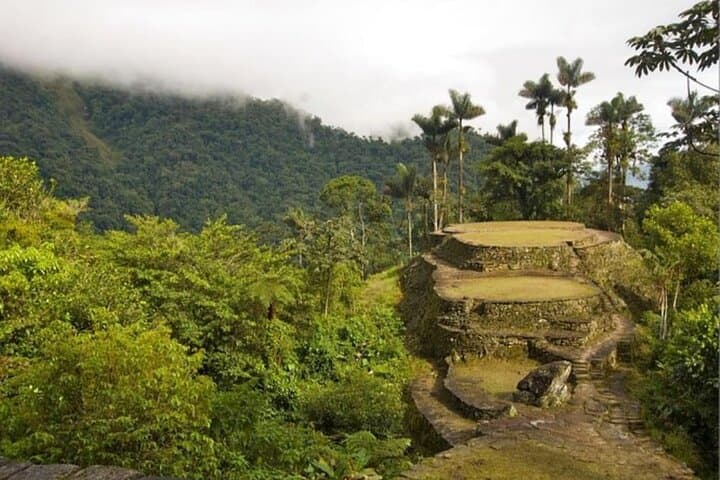
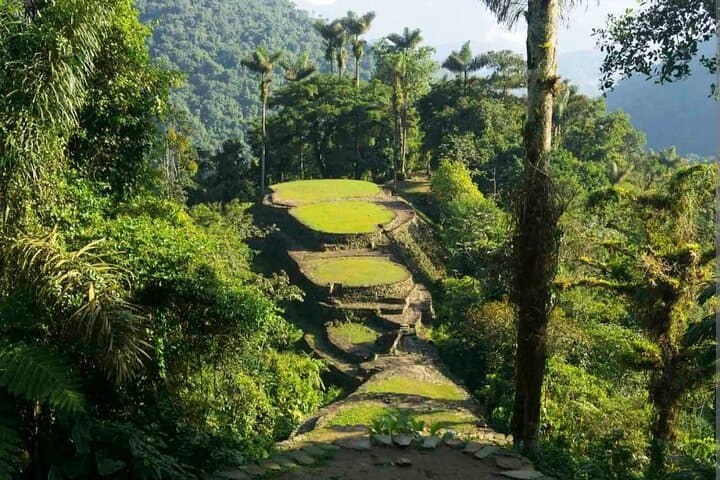
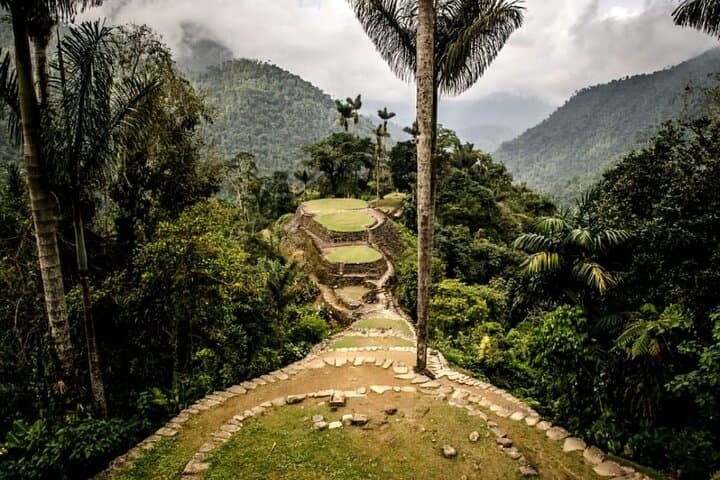
The Lost City (Ciudad Perdida) was built by the Tayrona centuries before Spanish contact; stone terraces and 1,200 carved steps climb into cloud-slick ridgelines. Geologically the route traces steep schists and metamorphic ridges of the Sierra Nevada, a coastal mountain massif that rises sharply from the Caribbean. Kogui and other indigenous communities still steward parts of the landscape — guides often point out local plants used for medicine and the cultural protocols around archaeological zones.
Expect long days: 6–8 hours of walking on jungle trails, river crossings, and a steep stone ascent to the terraces. Wildlife is active at dawn and dusk; guides know where to listen for toucans and howler monkeys. Pack for humidity, sudden showers and muddy slopes.
Practical notes: the trip is serviced with guided camps, meals, and hammock or bed lodging with mosquito nets; a basic level of fitness and sturdy footwear matter more than technical gear. Hydrate frequently and layer light, quick-dry clothing. Respect indigenous sites — stay on paths, and avoid flash photography where requested. The final climb rewards patience with sweeping views down to the Caribbean and the quiet presence of an ancient city reclaimed by jungle.
challenging.
4 days.
Good cardiovascular endurance and regular hiking experience; able to walk 6–8 hours on uneven terrain.
The climb is steep but not technical — it requires sustained effort and stair-climbing fitness; take breaks and follow your guide’s pace.
Crossings are typically shallow but can be slippery; guides time crossings carefully and provide instruction — waterproof bags and good footwear reduce risk.
Camping is in basic camps or local peasant lodgings with beds or hammocks, mosquito nets, shared showers and simple meals included as described in the itinerary.
Prior day-hiking experience is helpful; the trip doesn’t require technical climbing skills but does demand stamina for multiple long days.
Ciudad Perdida was constructed by the Tayrona culture centuries before Spanish colonization; its terraces and stairways functioned as a social and ceremonial center.
Tour operators typically contribute to indigenous communities and use guided access to limit erosion and site damage; visitors should stay on trails and avoid removing artifacts.
serviexpress operates guided outdoor trips and adventures with an emphasis on safety, stewardship, and memorable experiences.
You push off from the Expotur office as the truck grumbles toward the Sierra Nevada’s interior, and the air thickens with wet green. Rivers begin to speak — Buritaca threads through the valley, waterfalls daring you to pause, and the forest pushes back with vines and orchids. By evening, the first camp sits beside a cascade; hammocks swing under a canopy of insects and stars.
You push off from the Expotur office as the truck grumbles toward the Sierra Nevada’s interior, and the air thickens with wet green. Rivers begin to speak — Buritaca threads through the valley, waterfalls daring you to pause, and the forest pushes back with vines and orchids. By evening, the first camp sits beside a cascade; hammocks swing under a canopy of insects and stars.
The Lost City (Ciudad Perdida) was built by the Tayrona centuries before Spanish contact; stone terraces and 1,200 carved steps climb into cloud-slick ridgelines. Geologically the route traces steep schists and metamorphic ridges of the Sierra Nevada, a coastal mountain massif that rises sharply from the Caribbean. Kogui and other indigenous communities still steward parts of the landscape — guides often point out local plants used for medicine and the cultural protocols around archaeological zones.
Expect long days: 6–8 hours of walking on jungle trails, river crossings, and a steep stone ascent to the terraces. Wildlife is active at dawn and dusk; guides know where to listen for toucans and howler monkeys. Pack for humidity, sudden showers and muddy slopes.
Practical notes: the trip is serviced with guided camps, meals, and hammock or bed lodging with mosquito nets; a basic level of fitness and sturdy footwear matter more than technical gear. Hydrate frequently and layer light, quick-dry clothing. Respect indigenous sites — stay on paths, and avoid flash photography where requested. The final climb rewards patience with sweeping views down to the Caribbean and the quiet presence of an ancient city reclaimed by jungle.