THE ADVENTURE COLLECTIVE® · Independent discovery and booking for outdoor travel

Explore Lomé’s lively markets, sacred sites and nearby Togoville on a compact full‑day tour. Expect street-level cultural encounters, coastal scenery at Lake Togo and guided insight into vodun practices and local history.
Explore Lomé’s lively markets, sacred sites and nearby Togoville on a compact full‑day tour. Expect street-level cultural encounters, coastal scenery at Lake Togo and guided insight into vodun practices and local history.
The day begins on the Atlantic edge of Lomé as the ocean breathes salt over the palm-fringed quay and the city stirs toward the market.
Verified experiences and guided adventures in the surrounding area.
Operated by Discover Africa · Lomé, Maritime Region
The day begins on the Atlantic edge of Lomé as the ocean breathes salt over the palm-fringed quay and the city stirs toward the market.
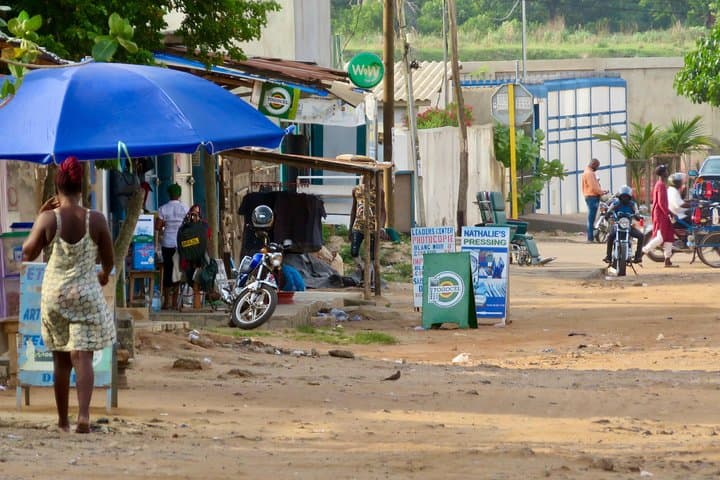
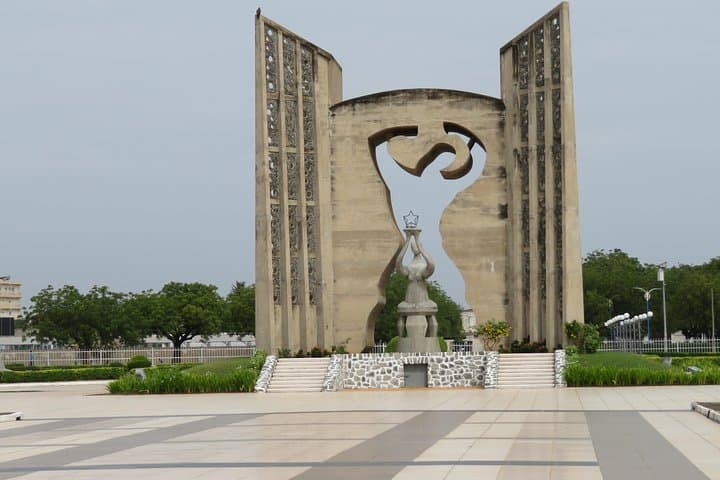
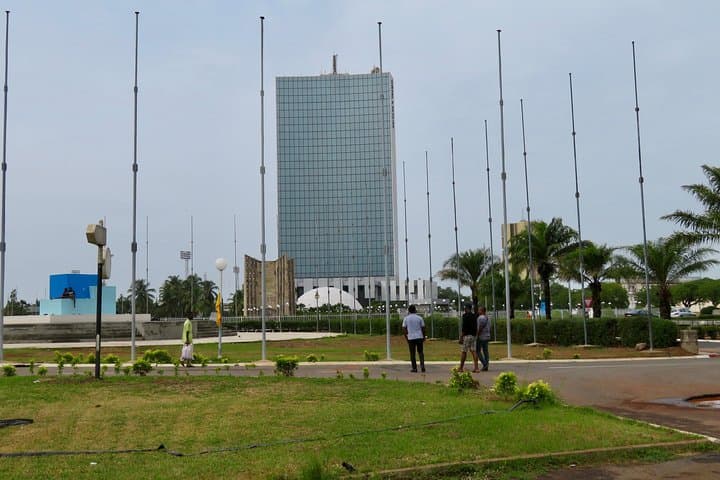
You’ll move from the ceremonial sweep of Independence Square into crowded alleys where vendors call out fabrics, spices and carved ivory. The trip threads history and local practice — the Fetish Market offers a raw window into vodun remedies and ritual items, while the Grand Marché showcases the entrepreneurial Nana Benz women whose commerce shaped 20th‑century Lomé. A short drive away, Togoville’s red‑earth lanes and the Slave House at Agbodrafo ground the day in the region’s colonial and pre‑colonial past.
Geologically, this coastline is recent: low coastal plains, sandbars and lagoons that give way to lateritic soils inland — the red earth that paints Togoville’s buildings and fields.
Culturally, expect direct interaction: guides will explain meaningful objects and local customs; vendors appreciate polite bargaining. Nature joins the story at Lake Togo, whose shallow lagoon breathes a cool wind and attracts fishing activity and waterbirds.
Practical guidance: this is a walking‑heavy half‑day that includes vehicular transfers; expect uneven market surfaces and short beachside strolls. Carry sun protection and local cash for market purchases, and wear sturdy walking shoes. Plan pickups mid‑morning to catch cooler hours, and allow time for respectful, guided visits at sacred sites. This tour balances sensory street life with sobering historical stops — bring curiosity and leave room for slower moments by the lagoon.
easy.
6 hours.
Light to moderate — be comfortable walking 2–4 miles with frequent stops and some standing in markets
The experience runs about six hours, typically mid‑morning through late afternoon with included transport between sites.
Yes — the market is a regular tourist stop; follow your guide’s advice, respect local customs, and avoid touching sacred items without permission.
Yes — have small denominations of West African CFA francs for market purchases, tips and small fees; larger cards are not widely accepted at stalls.
Guided visits are family‑friendly, but some displays or discussions about vodun and slave history can be sensitive; consider the ages and maturity of children.
Lomé grew from a small Portuguese outpost into Togo’s colonial administrative center; nearby Togoville and Agbodrafo reflect the region’s role in Atlantic slave trade and vodun tradition.
Tourism can pressure sacred sites and coastal lagoons; choose local guides, avoid buying protected wildlife products, and favor vendors using sustainable materials.
Discover Africa operates guided outdoor trips and adventures with an emphasis on safety, stewardship, and memorable experiences.

The day begins on the Atlantic edge of Lomé as the ocean breathes salt over the palm-fringed quay and the city stirs toward the market.
The day begins on the Atlantic edge of Lomé as the ocean breathes salt over the palm-fringed quay and the city stirs toward the market.
You’ll move from the ceremonial sweep of Independence Square into crowded alleys where vendors call out fabrics, spices and carved ivory. The trip threads history and local practice — the Fetish Market offers a raw window into vodun remedies and ritual items, while the Grand Marché showcases the entrepreneurial Nana Benz women whose commerce shaped 20th‑century Lomé. A short drive away, Togoville’s red‑earth lanes and the Slave House at Agbodrafo ground the day in the region’s colonial and pre‑colonial past.
Geologically, this coastline is recent: low coastal plains, sandbars and lagoons that give way to lateritic soils inland — the red earth that paints Togoville’s buildings and fields.
Culturally, expect direct interaction: guides will explain meaningful objects and local customs; vendors appreciate polite bargaining. Nature joins the story at Lake Togo, whose shallow lagoon breathes a cool wind and attracts fishing activity and waterbirds.
Practical guidance: this is a walking‑heavy half‑day that includes vehicular transfers; expect uneven market surfaces and short beachside strolls. Carry sun protection and local cash for market purchases, and wear sturdy walking shoes. Plan pickups mid‑morning to catch cooler hours, and allow time for respectful, guided visits at sacred sites. This tour balances sensory street life with sobering historical stops — bring curiosity and leave room for slower moments by the lagoon.