THE ADVENTURE COLLECTIVE® · Independent discovery and booking for outdoor travel

Spend two hours walking Liverpool’s most evocative streets — from Hope Street’s twin cathedrals to the Albert Dock — while a local guide stitches together maritime history, wartime stories and Beatles lore. Practical route notes and photo stops make this an efficient orientation for first‑time visitors.
Spend two hours walking Liverpool’s most evocative streets — from Hope Street’s twin cathedrals to the Albert Dock — while a local guide stitches together maritime history, wartime stories and Beatles lore. Practical route notes and photo stops make this an efficient orientation for first‑time visitors.
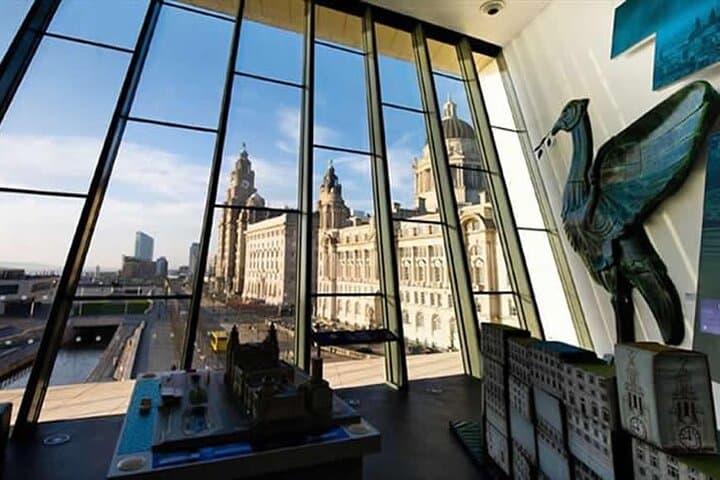
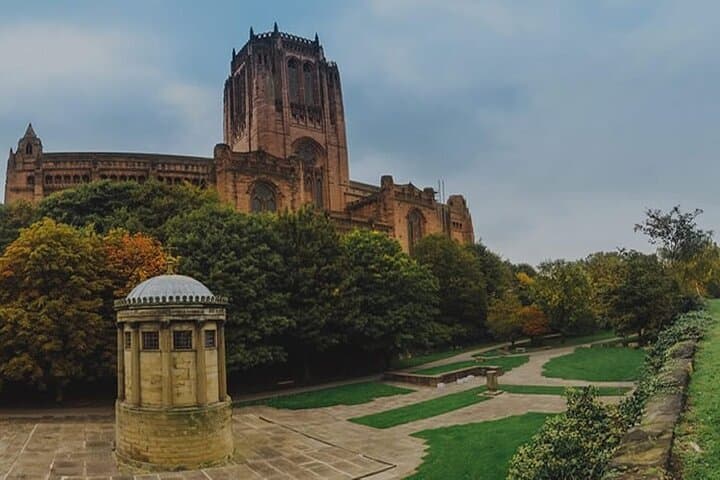
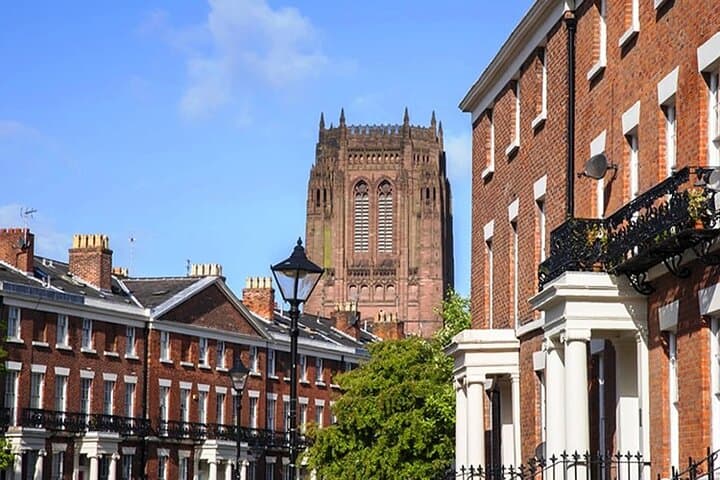
Morning light skims the River Mersey as a small group steps off onto Hope Street, shoes tapping on granite and cobbles. The city opens like a map: two cathedrals facing one another, hidden grave‑robber cellars, wartime scars, and the distant silhouette of the Liver Buildings pulling the eye toward the waterfront.
Verified experiences and guided adventures in the surrounding area.
Operated by LiverpoolGO · Liverpool, Merseyside
Morning light skims the River Mersey as a small group steps off onto Hope Street, shoes tapping on granite and cobbles. The city opens like a map: two cathedrals facing one another, hidden grave‑robber cellars, wartime scars, and the distant silhouette of the Liver Buildings pulling the eye toward the waterfront.
This two‑hour walk threads Liverpool’s layers of history — Georgian terraces and Victorian civic pride, maritime commerce that made the docks vital in the 18th–20th centuries, and pop‑culture landmarks tied to the Beatles and post‑industrial reinvention. Geology plays a quiet role here: glacially scoured land meets estuary flats, and the Mersey’s tidal pulse shaped the city’s docks from the first tidal basin in 1715 to today’s Albert Dock.
Along the route expect mostly paved streets, occasional cobblestones and short flights of steps; elevation is minimal but footing can be uneven near older sites. Guides point out local stories — from grave robbers to music managers — and explain how Liverpool’s mercantile wealth translated to ornate buildings like the Town Hall and the Pier Head trio.
Practical guidance: the tour covers roughly 3–4 km at an easy to moderate walking pace and suits visitors with a basic level of fitness. Bring a lightweight rain layer, comfortable shoes, and a small daypack for water and photos. Peak times (weekends, summer) mean larger crowds at the Cavern Club and Albert Dock; mornings are quieter and cooler. The tour is accessible to many mobility levels but check meeting details and any accessibility needs with the operator in advance.
moderate.
2 hours.
Suitable for travelers with a basic to moderate fitness level who can walk 3–4 km over city streets.
Many areas on the route are accessible and the operator notes wheelchair access; contact the provider ahead of booking to confirm specific assistance and meeting points.
The tour circulates central Liverpool—typical starts are near Hope Street or a central meeting point; check your booking confirmation for the exact meeting location and arrival time.
Yes; families with older children who can walk 2–3 miles (3–4 km) comfortably will enjoy the mix of stories and photo stops; strollers are generally manageable but cobbles can be bumpy.
The tour operator may cancel or reschedule in severe weather; light rain usually does not stop the walk, so bring appropriate rain gear.
Liverpool grew from a small port into a global trade and shipbuilding center from the 18th century; its docks and civic architecture reflect maritime wealth and industrial change.
High footfall around heritage sites requires careful management — visitors are asked to keep to paths, respect monuments and avoid littering to protect fragile urban archaeology and dockside habitats.
LiverpoolGO operates guided outdoor trips and adventures with an emphasis on safety, stewardship, and memorable experiences.
Morning light skims the River Mersey as a small group steps off onto Hope Street, shoes tapping on granite and cobbles. The city opens like a map: two cathedrals facing one another, hidden grave‑robber cellars, wartime scars, and the distant silhouette of the Liver Buildings pulling the eye toward the waterfront.
Morning light skims the River Mersey as a small group steps off onto Hope Street, shoes tapping on granite and cobbles. The city opens like a map: two cathedrals facing one another, hidden grave‑robber cellars, wartime scars, and the distant silhouette of the Liver Buildings pulling the eye toward the waterfront.
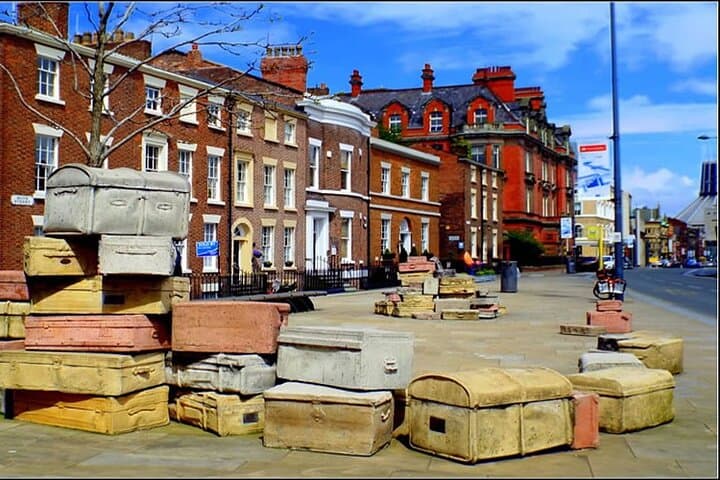
This two‑hour walk threads Liverpool’s layers of history — Georgian terraces and Victorian civic pride, maritime commerce that made the docks vital in the 18th–20th centuries, and pop‑culture landmarks tied to the Beatles and post‑industrial reinvention. Geology plays a quiet role here: glacially scoured land meets estuary flats, and the Mersey’s tidal pulse shaped the city’s docks from the first tidal basin in 1715 to today’s Albert Dock.
Along the route expect mostly paved streets, occasional cobblestones and short flights of steps; elevation is minimal but footing can be uneven near older sites. Guides point out local stories — from grave robbers to music managers — and explain how Liverpool’s mercantile wealth translated to ornate buildings like the Town Hall and the Pier Head trio.
Practical guidance: the tour covers roughly 3–4 km at an easy to moderate walking pace and suits visitors with a basic level of fitness. Bring a lightweight rain layer, comfortable shoes, and a small daypack for water and photos. Peak times (weekends, summer) mean larger crowds at the Cavern Club and Albert Dock; mornings are quieter and cooler. The tour is accessible to many mobility levels but check meeting details and any accessibility needs with the operator in advance.